Avoid contact with chemical substances after the application of the sealant.
Feb 25,2026 | Views: 465
Post-Application Chemical Exposure Guidelines for Sealants: Timing and Precautions
Sealants require time to cure and achieve full chemical resistance after application. Premature exposure to certain substances can compromise their adhesion, flexibility, or durability, leading to costly repairs or replacements. Understanding the recommended waiting periods and safe handling practices ensures optimal performance.
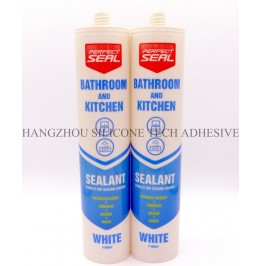
Critical Curing Periods for Sealants
The time required for sealants to reach maximum chemical resistance varies based on material type and environmental conditions.
-
Initial Surface Dry Time: Most sealants form a skin within 1–6 hours after application, depending on humidity and temperature. During this phase, avoid touching or disturbing the surface to prevent indentations or uneven curing.
-
Full Cure Duration: Complete curing typically takes 24–72 hours, though some formulations may require up to 14 days. During this period, the sealant hardens and develops resistance to moisture, chemicals, and physical stress.
-
Environmental Factors: High humidity or cold temperatures slow curing, while dry, warm conditions accelerate it. Adjust waiting times based on local climate to ensure proper hardening.
Chemicals to Avoid During Early Curing Stages
Exposing sealants to certain substances too soon can disrupt the curing process or degrade the material.
-
Solvents and Alcohols: Products like nail polish remover, paint thinners, or rubbing alcohol can soften uncured sealants, causing them to become sticky or deform. Wait until full curing is complete before using solvent-based cleaners.
-
Acidic or Alkaline Cleaners: Vinegar, bleach, or ammonia-based solutions may react with uncured sealants, leading to discoloration, bubbling, or adhesion loss. Stick to mild, pH-neutral cleaners during the first week.
-
Oils and Greases: Cooking oils, lotions, or lubricants can penetrate uncured sealants, preventing proper hardening. Keep surfaces free of greasy residues until the sealant is fully cured.
-
Water and Steam: While some sealants claim to be “water-ready” after a few hours, prolonged exposure to moisture before full curing can weaken the bond. Avoid showers, sinks, or wet cleaning for at least 24–48 hours.
Safe Practices for Protecting Newly Applied Sealants
Minimize risks by following these precautions during the curing period.
-
Isolate Treated Areas: Use barriers like plastic sheeting or tape to block access to freshly sealed joints, especially in high-traffic zones like bathrooms or kitchens.
-
Ventilate the Space: Proper airflow helps accelerate curing but avoid drafts that might carry dust or debris onto the sealant. Use fans cautiously to prevent direct airflow on the surface.
-
Avoid Physical Contact: Refrain from leaning on, sitting on, or placing objects on sealed surfaces until the curing period ends. Even light pressure can create permanent indentations.
-
Delay Cleaning: Postpone mopping, scrubbing, or pressure washing until the sealant is fully cured. If spills occur, blot them gently with a dry cloth instead of wiping.
-
Monitor Humidity Levels: Use a hygrometer to ensure indoor humidity stays between 40–60% during curing. Excess moisture can prolong drying times, while dry air may cause cracking.
Long-Term Chemical Resistance After Full Curing
Once fully cured, sealants become more resilient but still require careful handling.
-
Check Manufacturer Guidelines: Some sealants retain sensitivity to specific chemicals even after curing. Review technical datasheets for limitations on prolonged exposure to substances like fuels, acids, or strong disinfectants.
-
Perform Spot Tests: Before using a new cleaner on a sealed surface, apply it to a small, hidden area and wait 24 hours. Look for discoloration, swelling, or adhesion loss before proceeding.
-
Reapply Sealants if Damaged: If chemical exposure causes cracking or peeling, remove the affected section and reapply a new bead of sealant. Ensure the area is clean and dry before starting repairs.
Conclusion
Allowing sealants adequate time to cure is essential for long-term performance. Avoid solvents, acids, oils, and excessive moisture during the initial curing period, and protect treated areas from physical stress. After full curing, verify chemical resistance through spot tests and adhere to manufacturer guidelines to maintain durability. Proper timing and precautions minimize the risk of premature failure, ensuring sealants remain effective for years.
Prev: The influence of different water qualities on the durability of sealants
Next: List of Compatibility between Bathroom Sealant and Cleaner


