List of Compatibility between Bathroom Sealant and Cleaner
Feb 25,2026 | Views: 551
Compatibility Between Bathroom Sealants and Cleaning Agents: Key Considerations
Bathroom sealants are essential for preventing water infiltration and mold growth, but their longevity depends on compatibility with cleaning agents. Certain chemicals can degrade sealants, leading to cracking, discoloration, or adhesion loss. Understanding which cleaning agents are safe to use near sealants helps maintain their effectiveness and appearance.
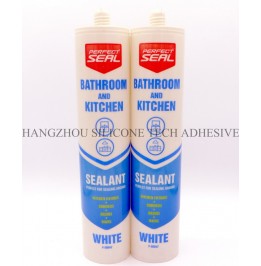
Types of Sealants and Their Vulnerabilities
Different sealant materials react differently to cleaning agents.
-
Silicone-Based Sealants: Common in bathrooms due to flexibility and water resistance. However, they are sensitive to acidic cleaners, which can cause discoloration or weaken adhesion over time.
-
Polyurethane Sealants: Durable and resistant to chemicals, but prolonged exposure to strong solvents (e.g., paint thinners) may lead to swelling or cracking.
-
Acrylic Sealants: Less flexible and prone to damage from both acidic and alkaline cleaners. Harsh scrubbing can also wear down the surface.
Cleaning Agents to Avoid with Bathroom Sealants
Certain chemicals pose significant risks to sealant integrity.
-
Acidic Cleaners: Products containing hydrochloric acid (e.g., toilet bowl cleaners) or citric acid can erode silicone and acrylic sealants, causing them to become brittle or detach.
-
Bleach-Based Solutions: While effective for disinfection, bleach can react with sealant components, leading to yellowing or loss of elasticity. Avoid prolonged contact or dilution with water to minimize damage.
-
Abrasive Cleaners: Powders or scrubs containing harsh particles (e.g., baking soda mixed with vinegar) may scratch sealant surfaces, creating entry points for moisture and mold.
-
Solvent-Based Cleaners: Alcohol or ammonia-based products can dissolve or soften sealants, especially if applied frequently or left undiluted.
Safe Cleaning Practices for Sealant Maintenance
Adopting gentle methods extends sealant lifespan and prevents damage.
-
Use Mild, Neutral Cleaners: Opt for pH-balanced solutions designed for bathroom surfaces. These are less likely to react with sealants while effectively removing soap scum and mildew.
-
Spot-Test Before Full Application: Apply a small amount of cleaner to an inconspicuous area of the sealant and wait 24 hours. Check for discoloration, swelling, or adhesion loss before proceeding.
-
Rinse Thoroughly After Cleaning: Residue from cleaners can accumulate on sealants, accelerating degradation. Use a damp cloth to wipe away any remaining product.
-
Avoid High-Pressure Cleaning: Power washers or aggressive scrubbing can dislodge sealants from joints. Stick to soft brushes or microfiber cloths for gentle cleaning.
-
Dry Sealants After Use: Excess moisture promotes mold growth, which can further damage sealants. Use a towel or squeegee to remove water from shower corners and sink edges.
Addressing Mold on Sealants Without Damaging Them
Mold is a common issue in bathrooms, but aggressive removal methods can harm sealants.
-
White Vinegar Solution: Mix equal parts water and white vinegar in a spray bottle. Apply to moldy areas, let sit for 10–15 minutes, then rinse. Vinegar’s acidity is mild enough for most sealants but strong enough to kill mold.
-
Baking Soda Paste: Combine baking soda with water to form a paste. Apply to mold spots, scrub gently with a soft brush, and rinse. This method is abrasive-free and safe for sealants.
-
Hydrogen Peroxide: For stubborn mold, dab hydrogen peroxide directly onto the affected area. Let it sit for 10 minutes before wiping clean. It disinfects without damaging sealants.
-
Prevent Future Growth: Ensure bathrooms are well-ventilated to reduce humidity. Use exhaust fans or open windows after showers to discourage mold recurrence.
Conclusion
Maintaining bathroom sealants requires awareness of cleaning agent compatibility. Avoid acidic, bleach-based, abrasive, or solvent-heavy products, and opt for mild, neutral alternatives instead. Regular gentle cleaning, thorough rinsing, and prompt drying help preserve sealant integrity and prevent mold. For existing mold, use non-damaging methods like vinegar or baking soda to address the issue without compromising the sealant’s performance.
Prev: Avoid contact with chemical substances after the application of the sealant.
Next: The influence of mold growth on the performance of sealants


