E-mail:
sales@silicone-sealant-china.com

Health Risks Associated with Residual Sealants: Exposure Pathways and Symptoms
Residual sealants, whether from construction, automotive, or household applications, can pose health risks if not handled properly. These risks stem from chemical components like volatile organic compounds (VOCs), solvents, and additives that remain active even after partial curing. Understanding exposure pathways and symptoms helps mitigate harm.
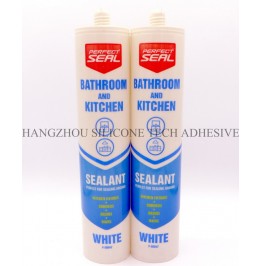
Direct contact with uncured or semi-cured sealant residues can cause immediate skin reactions. Symptoms include redness, itching, burning sensations, or rashes, particularly in sensitive areas like hands and forearms. Prolonged exposure may lead to dermatitis or chemical burns, especially if the sealant contains acidic or alkaline compounds.
Eye exposure is particularly hazardous. Splashes or airborne particles can irritate the cornea, causing tearing, blurred vision, or light sensitivity. In severe cases, chemical burns may damage the eye’s surface, requiring medical attention.
Inhaling fumes from residual sealants is a common risk, especially in poorly ventilated spaces. VOCs like acetone, toluene, or xylene can irritate the nasal passages, throat, and lungs, triggering coughing, wheezing, or shortness of breath. Individuals with asthma or chronic respiratory conditions may experience exacerbated symptoms.
Long-term exposure to low levels of VOCs has been linked to chronic bronchitis or reduced lung function. Some sealants also release isocyanates, which can cause occupational asthma in workers exposed repeatedly.
Certain chemicals in sealants, such as solvents or heavy metals, may affect the nervous system. Short-term exposure to high concentrations can cause dizziness, headaches, nausea, or fatigue—often referred to as “solvent intoxication.” Chronic exposure may impair cognitive function, memory, or coordination.
Though rare, some sealants contain substances like lead or mercury compounds, which can accumulate in the body over time, potentially harming organs like the liver or kidneys.
Repeated exposure to sealant residues may lead to allergic sensitization. Symptoms include hives, swelling, or asthma-like attacks triggered by minimal contact. Cross-reactivity with other chemicals is possible, complicating diagnosis and treatment.
Certain additives, such as preservatives or fragrances, can also cause contact dermatitis in predisposed individuals. Patch testing may help identify specific allergens.
To reduce health risks:
If symptoms persist after exposure, seek medical evaluation to rule out chemical burns, respiratory damage, or systemic toxicity.
Copyright 2019 by Hangzhou Silicone Tech Adhesive Co., Ltd. All rights reserved.
Bathroom Sealant | Acrylic Sealant | Dow Corning 795 | Aquarium Sealant | Dow Corning 732 | Clear Silicone Sealant | Polysulfide Sealant | Glazing Sealant | Mirror Sealant | IG Sealant
Powered by Onepound


