E-mail:
sales@silicone-sealant-china.com

Handling Skin Exposure After Applying Bathroom Sealant: Immediate Steps and Long-Term Care
Bathroom sealants, commonly used around showers, sinks, or tubs, often contain chemicals like silicone polymers, solvents, or curing agents. Accidental skin contact during or after application can cause irritation, allergic reactions, or chemical burns if not addressed promptly. Knowing how to respond safely minimizes health risks.
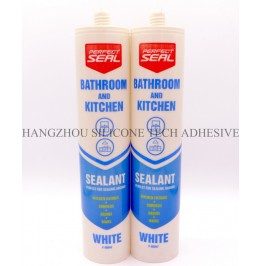
1. Remove Residue Quickly
Fresh sealant is easier to clean than cured material. If sealant is still wet, gently wipe it away using a dry cloth or paper towel. Avoid rubbing, as this may spread the substance or push it deeper into the skin. For stubborn residues, use a mild soap and lukewarm water to rinse the area thoroughly.
2. Avoid Harsh Scrubbing
Cured sealant forms a rubbery layer that resists water. Scrubbing aggressively can damage the skin’s protective barrier, leading to microabrasions or increased irritation. Instead, soak the affected area in warm, soapy water for 10–15 minutes to soften the residue. Use a soft-bristled brush or your fingertips to lift it gently.
3. Use Solvents Safely (If Necessary)
For partially cured sealant, a solvent like isopropyl alcohol or mineral spirits may help dissolve residues. Apply a small amount to a cotton pad or cloth and dab the area lightly. Rinse immediately with soap and water to remove traces of the solvent. Never pour solvents directly onto the skin, and avoid using acetone or strong chemicals, which can cause dryness or burns.
1. Redness and Itching
Mild irritation often appears as redness, itching, or a burning sensation. Rinse the skin with cool water to soothe inflammation, then pat dry with a clean towel. Apply a fragrance-free moisturizer or petroleum jelly to create a protective barrier. Avoid scratching, as this can worsen symptoms or lead to infection.
2. Allergic Contact Dermatitis
Some individuals develop allergic reactions to sealant components, such as preservatives or fragrances. Symptoms include hives, swelling, or blisters. If these occur, wash the area with mild soap and water, then apply an over-the-counter hydrocortisone cream (1%) to reduce inflammation. Discontinue use of the sealant and consult a healthcare provider if symptoms persist.
3. Chemical Burns
Rarely, sealants containing strong acids or alkalis may cause chemical burns. These appear as white or charred skin, severe pain, or blistering. If suspected, rinse the area under running water for at least 20 minutes to neutralize the chemical. Seek emergency medical attention immediately, as burns may require specialized treatment.
1. Wear Protective Gear
Always use gloves made of nitrile or neoprene when handling sealants, as these materials resist chemicals better than latex. Long-sleeved shirts and pants can shield arms and legs from splatters. Safety goggles protect the eyes from accidental splashes.
2. Work in a Ventilated Area
Open windows or use fans to improve airflow during application. This reduces inhalation of fumes and minimizes airborne particles that could settle on the skin. Avoid working in confined spaces where chemicals can accumulate.
3. Clean Tools Promptly
Residue on tools like caulking guns or spatulas can transfer to skin during future use. After finishing the job, clean tools with mild soap and water or a solvent recommended by the manufacturer. Store them in a sealed container to prevent contamination.
4. Store Sealants Safely
Keep unused sealant tubes in a cool, dry place away from direct sunlight. Ensure caps are tightly sealed to prevent leaks or drying, which could release harmful vapors. Label containers clearly to avoid confusion with other household products.
By acting quickly and following safety protocols, you can manage skin exposure to bathroom sealants effectively. If symptoms worsen or don’t improve within a few hours, consult a healthcare professional for further evaluation.
Copyright 2019 by Hangzhou Silicone Tech Adhesive Co., Ltd. All rights reserved.
Bathroom Sealant | Acrylic Sealant | Dow Corning 795 | Aquarium Sealant | Dow Corning 732 | Clear Silicone Sealant | Polysulfide Sealant | Glazing Sealant | Mirror Sealant | IG Sealant
Powered by Onepound


