E-mail:
sales@silicone-sealant-china.com

After completing a sealant project, cleaning tools promptly is essential to maintain their functionality and extend their lifespan. The type of solvent you use depends on the sealant’s composition, as different formulas require specific approaches to dissolve residues without damaging tools. Understanding these factors ensures efficient cleanup and prevents cross-contamination in future projects.
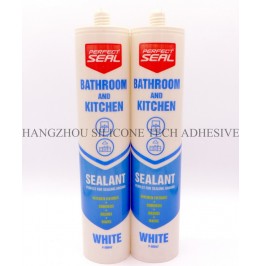
Sealants vary in chemical makeup, which directly impacts how they respond to cleaning agents. Identifying the sealant category helps narrow down solvent options.
Silicone sealants are flexible and waterproof, making them popular for bathrooms and kitchens. However, they cure into a rubbery texture that resists many solvents. Uncured silicone can be wiped away with isopropyl alcohol or mineral spirits, but cured residues often require mechanical removal or specialized solutions.
Water-based acrylic or latex sealants are easier to clean when wet. Soapy water or mild detergents work well for fresh residues. Once dried, these sealants may still dissolve with ammonia-based cleaners or denatured alcohol, though testing on a small area first is advisable.
Polyurethane sealants form durable, chemical-resistant bonds, often used in high-traffic areas. Cleaning uncured polyurethane requires strong solvents like acetone or xylene, but these can damage plastic tools. For cured polyurethane, scraping or sanding might be necessary.
Selecting solvents involves balancing effectiveness with safety. Avoid harsh chemicals that could harm skin, eyes, or surfaces. Here are practical choices for common sealant types:
Isopropyl alcohol (rubbing alcohol) is a mild yet effective solvent for removing uncured silicone and latex residues. Soak a cloth or sponge in alcohol and wipe tools thoroughly. For stubborn spots, submerge small items like caulking gun nozzles in alcohol for 10–15 minutes.
Mineral spirits, a petroleum-based solvent, work well for oil-based sealants like certain polyurethanes or butyl rubbers. Apply sparingly with a rag to avoid saturating tools. Work in a well-ventilated area and wear gloves to protect skin. After cleaning, rinse tools with soapy water to remove residual solvent.
White vinegar’s acidic nature helps break down water-based sealants like acrylics. Mix equal parts vinegar and water, then soak tools for 30 minutes. Scrub with a brush to loosen residues, then rinse with clean water. This method is eco-friendly and safe for most surfaces.
Different tools require tailored approaches to avoid damage. Here’s how to clean common sealant application tools effectively:
Disassemble the caulking gun if possible to access all parts. Wipe the barrel and plunger with a solvent-soaked rag to remove fresh sealant. For dried residues, use a plastic scraper or old toothbrush to gently pry off material. Avoid metal tools that could scratch surfaces.
Soak metal putty knives in warm, soapy water for 10–15 minutes to soften residues. For cured sealant, use a solvent like mineral spirits or alcohol to dissolve stubborn spots. Plastic spatulas should be cleaned with milder solvents to prevent warping. Always dry tools thoroughly after cleaning.
For reusable brushes, soak them in the appropriate solvent based on the sealant type. Swirl the brush in the solvent to dislodge particles, then rinse with water or a second solvent if needed. For disposable applicators, discard them after use to avoid cross-contamination.
Working with solvents requires caution to protect your health and the environment. Follow these guidelines to minimize risks:
Always work in a well-ventilated area to avoid inhaling fumes. Open windows or use fans to circulate air. Wear gloves, safety goggles, and a mask when handling strong solvents like acetone or xylene.
Store solvents in labeled, airtight containers away from heat or flames. Dispose of used rags or solvent-soaked materials in sealed metal containers to prevent spontaneous combustion. Check local regulations for hazardous waste disposal guidelines.
Before applying a solvent to an entire tool, test it on a small, inconspicuous area to ensure it doesn’t damage the material. This is especially important for plastic tools, which may react differently to solvents than metal ones.
By matching solvents to sealant types, using tool-specific techniques, and prioritizing safety, you can clean sealant application tools efficiently and sustainably. Proper maintenance ensures tools remain in good condition for future projects.
Copyright 2019 by Hangzhou Silicone Tech Adhesive Co., Ltd. All rights reserved.
Bathroom Sealant | Acrylic Sealant | Dow Corning 795 | Aquarium Sealant | Dow Corning 732 | Clear Silicone Sealant | Polysulfide Sealant | Glazing Sealant | Mirror Sealant | IG Sealant
Powered by Onepound


