E-mail:
sales@silicone-sealant-china.com

Bathroom renovations often leave lingering chemical odors from freshly applied sealants, which can be unpleasant and even irritating to sensitive individuals. These smells stem from volatile organic compounds (VOCs) and other solvents that evaporate as the sealant cures. While ventilation is key, combining multiple strategies can accelerate odor removal and create a safer, more comfortable environment.
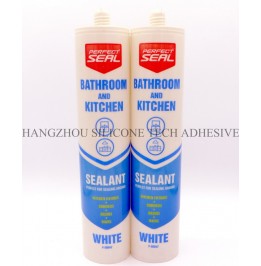
Improving airflow is the most effective way to disperse sealant fumes. Proper ventilation helps carry odors out of the bathroom while introducing fresh air.
If your bathroom has windows, keep them open for at least 48–72 hours after application. This allows cross-ventilation, which pushes stale air out and draws in cleaner air from other rooms. For bathrooms without windows, open the door and place a fan near the entrance to create a draft.
Run the bathroom’s exhaust fan continuously during and after sealant application. Positioning a portable fan near the sealed area can also enhance air circulation. Ensure the fan blows air outward rather than recirculating it within the room.
If possible, apply sealant on days with moderate temperatures and low humidity. This encourages faster curing and reduces the time odors linger. Avoid rainy or humid days, as moisture can slow the drying process and intensify smells.
Certain natural materials can trap or neutralize chemical odors without introducing harmful chemicals. These methods are safe, cost-effective, and easy to implement.
Place shallow bowls of baking soda around the bathroom to absorb lingering smells. Replace the baking soda every 12–24 hours until the odor dissipates. You can also sprinkle it directly on carpets or rugs if the bathroom has them, then vacuum it up later.
Fill small bowls with white vinegar and position them near the sealed area. Vinegar’s acidic properties help break down VOCs and neutralize odors. For stronger smells, dampen a cloth with vinegar and wipe down non-porous surfaces like tiles or countertops.
Set out bowls of activated charcoal, which is highly porous and effective at trapping odors. Leave them in the bathroom for several days, replacing the charcoal as needed. This method is particularly useful for persistent smells in enclosed spaces.
The longer sealant takes to cure, the longer odors will persist. Speeding up the drying time reduces the window for fumes to evaporate.
Maintain a room temperature between 60–80°F (15–27°C) and humidity below 50%. Use a dehumidifier if the bathroom feels damp, as excess moisture prolongs curing. Avoid overheating the room, as extreme temperatures can crack the sealant.
Use a small fan to blow air directly onto the sealed surface without disrupting the application. This helps evaporate solvents faster. Keep the fan at a low setting to prevent dust or debris from settling on the wet sealant.
Resist the urge to check the sealant’s progress by touching it. Even light pressure can slow curing and release more fumes. Let the material dry undisturbed for the recommended time on the packaging.
Once the sealant has cured, residual odors may still linger in fabrics or porous surfaces. Addressing these hidden sources ensures a completely fresh-smelling bathroom.
Wash bath mats, towels, or shower curtains that may have absorbed chemical odors. Use a mild, unscented detergent and dry them thoroughly. For non-washable items like rugs, air them outdoors for a few hours.
Wipe down tiles, grout, and countertops with a solution of water and mild dish soap to remove any sealant residue that could continue emitting odors. Rinse with clean water and dry with a towel.
If odors persist after a week, check for incomplete curing or trapped moisture. Reapply ventilation techniques and consider repeating odor-absorbing methods like baking soda or vinegar.
By combining ventilation, natural odor absorbers, and curing acceleration techniques, you can eliminate bathroom sealant smells efficiently and safely. These steps ensure your renovation project ends with a clean, fresh-smelling space.
Copyright 2019 by Hangzhou Silicone Tech Adhesive Co., Ltd. All rights reserved.
Bathroom Sealant | Acrylic Sealant | Dow Corning 795 | Aquarium Sealant | Dow Corning 732 | Clear Silicone Sealant | Polysulfide Sealant | Glazing Sealant | Mirror Sealant | IG Sealant
Powered by Onepound


