E-mail:
sales@silicone-sealant-china.com

Bathroom renovations often involve applying sealants around sinks, showers, or tubs to create waterproof barriers. While these materials are essential for preventing leaks and mold, they can pose health risks to curious pets that might lick or chew freshly applied or curing substances. Understanding the dangers and implementing preventive strategies ensures your furry companions stay safe during and after sealant projects.
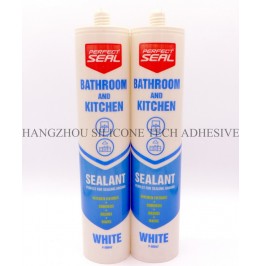
Pets, especially dogs and cats, explore their environments with their mouths, making them vulnerable to ingesting or inhaling harmful chemicals from sealants. The curing process releases volatile organic compounds (VOCs) and other compounds that can irritate the respiratory system, while uncured sealants may contain toxic ingredients that cause gastrointestinal distress if swallowed.
Many sealants contain solvents, fungicides, or plasticizers that remain active until fully cured. Ingesting even small amounts of these substances can lead to symptoms like vomiting, diarrhea, or lethargy in pets. Some formulations may also include heavy metals or acidic compounds that damage internal organs over time.
Wet sealants create a sticky, adhesive surface that can trap fur, leading to skin irritation or matting if a pet tries to groom itself. Additionally, pets might accidentally ingest small particles of dried sealant while licking their paws or fur, increasing the risk of choking or intestinal blockages.
Preventing exposure starts with minimizing contact during the application and curing phases. Here’s how to create a safe environment for your pets:
Close doors to the bathroom or use baby gates to block entry while applying sealant. If possible, confine pets to a separate room or crate with toys and water to keep them occupied. Ensure the space is well-ventilated to reduce inhalation of fumes.
Accidental drips or overflows of sealant can attract pets due to their texture or scent. Wipe up spills immediately with a damp cloth and dispose of used materials in a sealed trash can. Avoid leaving tools like caulking guns or spatulas within reach, as pets might chew on them.
Open windows or run exhaust fans to disperse chemical odors quickly. If the bathroom lacks ventilation, consider postponing the project until you can work in a safer environment. Pets with respiratory conditions, such as asthma or brachycephalic breeds, are particularly sensitive to airborne irritants.
Even after the sealant has cured, pets may remain attracted to the area due to residual odors or texture. Implement these habits to discourage unwanted interactions:
Apply a pet-safe bitter spray or coating to the sealant surface once it’s fully hardened. These products create an unpleasant taste that discourages licking or chewing without damaging the material. Reapply as needed, especially after cleaning the area.
Keep pets distracted with interactive toys or puzzle feeders during and after the project. Positive reinforcement, such as praise or treats, can reinforce good behavior when they avoid the sealed area. For persistent chewers, provide durable chew toys to satisfy their natural urge.
Use verbal commands like “no” or “leave it” to teach pets to stay away from the bathroom during and after renovations. Consistency is key—reward compliance immediately to strengthen the association. Over time, pets will learn to respect boundaries without constant supervision.
Despite precautions, accidents can happen. Be vigilant for symptoms of exposure and seek veterinary care if needed:
Vomiting, diarrhea, or excessive drooling may indicate ingestion of toxic compounds. Pets might also refuse food or water due to nausea. Monitor their appetite and hydration levels closely.
Coughing, wheezing, or difficulty breathing can result from inhaling VOCs or other fumes. Pets with preexisting conditions may show worsened symptoms. Move them to a well-ventilated area and contact a vet immediately.
Lethargy, disorientation, or agitation might signal chemical poisoning. In severe cases, pets may experience seizures or collapse. Provide a quiet, comfortable space and seek emergency care if symptoms escalate.
By combining proactive prevention, training, and awareness of potential risks, you can protect your pets from the hazards of bathroom sealants. Prioritizing their safety ensures a smooth renovation process and a healthy home environment for everyone.
Copyright 2019 by Hangzhou Silicone Tech Adhesive Co., Ltd. All rights reserved.
Bathroom Sealant | Acrylic Sealant | Dow Corning 795 | Aquarium Sealant | Dow Corning 732 | Clear Silicone Sealant | Polysulfide Sealant | Glazing Sealant | Mirror Sealant | IG Sealant
Powered by Onepound


