E-mail:
sales@silicone-sealant-china.com

Bathroom renovations or repairs often involve applying sealants around tubs, showers, and sinks to prevent water damage. While these materials are essential for maintaining a watertight environment, parents and caregivers must consider child safety during and after application. One critical aspect is determining how far children should stay away from freshly applied or curing sealants to avoid exposure to potentially harmful chemicals or physical hazards.
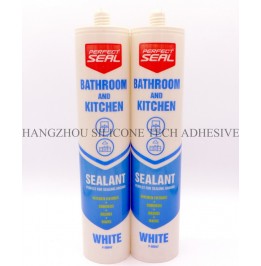
Children are naturally curious and prone to exploring their surroundings, including touching or playing near construction materials. Bathroom sealants, whether silicone-based, acrylic, or polyurethane, contain chemicals that may irritate the skin, eyes, or respiratory system if inhaled or touched before fully cured. Additionally, wet sealants can be sticky or slippery, posing risks of slips, falls, or ingestion if a child attempts to lick or chew the material. Establishing a safe distance helps minimize these dangers during and after application.
Most sealants emit volatile organic compounds (VOCs) during the curing process, which can cause headaches, dizziness, or nausea in sensitive individuals, including children. While modern formulations often have lower VOC levels, prolonged exposure in poorly ventilated areas remains a concern. Keeping children away from the application site reduces their inhalation of these fumes and direct contact with uncured substances.
Wet sealants create a tacky surface that can trap dust, dirt, or small objects, turning them into potential choking hazards if a child picks them up. The slippery texture of some sealants also increases the risk of accidental falls, especially on tiled bathroom floors. By maintaining a safe distance, caregivers can prevent children from interacting with the material until it hardens and becomes inert.
The safe distance children should maintain from freshly applied sealants depends on the stage of curing and the bathroom’s ventilation. Here’s how to assess and enforce boundaries effectively:
When sealant is being applied, keep children out of the bathroom entirely. The process involves handling tubes or cartridges of chemical-laden material, which could spill or drip. Additionally, tools like caulking guns or spatulas pose pinch or cut risks if a child interferes. Close the bathroom door and use childproof locks if necessary to prevent accidental entry.
For the first 24–48 hours, restrict access to the area where sealant was applied. This period is critical for curing, and even light touching can disrupt the bond or leave fingerprints. Use temporary barriers like baby gates or tape off the section with brightly colored tape to alert children. Explain in simple terms why they must stay away, using age-appropriate language like, “This is sticky and not safe to touch yet.”
If the bathroom lacks windows or proper airflow, extend the safe distance beyond the immediate application site. Chemical odors can linger in enclosed areas, so keep children in a different part of the house until the space is well-ventilated. Running an exhaust fan or opening doors to adjacent rooms can help disperse fumes faster.
Once the sealant has fully cured—typically after 24–72 hours, depending on the type and environmental conditions—it becomes safe for normal use. However, caregivers should remain vigilant about potential long-term risks:
Even after the recommended curing time, test a small area of the sealant by lightly pressing a fingertip against it. If it feels tacky or leaves residue, the material may need more time to harden. Continue restricting access until the surface is completely dry and non-reactive.
Some children may develop skin irritation or allergic reactions to cured sealants, particularly if they contain latex or other additives. Watch for redness, itching, or rashes after contact and consult a pediatrician if symptoms persist. Opting for hypoallergenic or low-odor formulations in future projects can reduce this risk.
For toddlers or preschoolers, explain the importance of avoiding sealants using visual cues like stickers or markers on the floor. Older children can be taught to recognize warning signs, such as strong chemical smells or wet surfaces, and to alert an adult if they notice these issues.
By prioritizing safe distances and proactive communication, caregivers can protect children from the risks associated with bathroom sealants. Whether during application, curing, or long-term use, maintaining clear boundaries ensures a safe and healthy environment for the entire family.
Copyright 2019 by Hangzhou Silicone Tech Adhesive Co., Ltd. All rights reserved.
Bathroom Sealant | Acrylic Sealant | Dow Corning 795 | Aquarium Sealant | Dow Corning 732 | Clear Silicone Sealant | Polysulfide Sealant | Glazing Sealant | Mirror Sealant | IG Sealant
Powered by Onepound


