E-mail:
sales@silicone-sealant-china.com

When renovating a bathroom, timing and coordination between different tasks are critical to achieving a professional, long-lasting result. Sealant application is one of the final steps in the process, but its success depends heavily on proper planning and communication with other trades or DIY efforts. From tiling and plumbing to painting and fixture installation, understanding how each task interacts with sealant work ensures a watertight, aesthetically pleasing outcome.
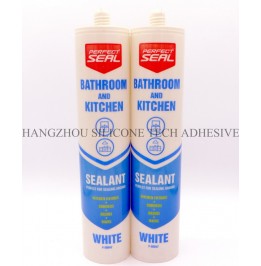
Sealant serves as a barrier against moisture, preventing water from penetrating joints and causing damage to underlying structures. This means it must be applied after all water-sensitive tasks are complete but before final decorative touches are added. For example, tiling should be fully grouted and cured before applying sealant around edges and fixtures, as grout alone is not sufficient to block water in these high-risk areas. Similarly, any plumbing adjustments or fixture installations that involve drilling into walls or floors should be finalized before sealing to avoid creating new gaps that need attention later.
Many bathroom materials require time to cure or set before they can be exposed to moisture or pressure. For instance, tile adhesive and grout typically need 24–72 hours to dry completely, depending on environmental conditions like humidity and temperature. Applying sealant too early over semi-dry grout can trap moisture underneath, leading to mold growth or weakened adhesion. Likewise, freshly painted surfaces should be allowed to cure fully—usually 24–48 hours—before sealant is applied nearby to prevent accidental smudging or chemical reactions between the paint and sealant.
To avoid damaging freshly applied sealant, it’s best to leave this task until most other renovation work is finished. This includes installing accessories like towel rails, soap dishes, or mirrors, as well as completing any touch-up painting or caulking in adjacent rooms. Sealant is relatively soft when first applied and can be easily scratched or dislodged by tools, foot traffic, or cleaning products. By scheduling it late in the process, you minimize the risk of accidental damage and ensure a clean, polished appearance once the project is complete.
Tiling is often the most time-consuming part of a bathroom renovation, and its precision directly impacts the effectiveness of sealant. Before applying sealant around tile edges, confirm that all tiles are level, evenly spaced, and free of gaps larger than those filled by grout. Misaligned tiles can create uneven surfaces that make it difficult to apply a smooth, continuous bead of sealant, increasing the likelihood of leaks. Work closely with the tiling team to address any alignment issues before they proceed to grouting, as correcting problems at this stage is far easier than trying to fix them after sealing.
Plumbing fixtures like sinks, showers, and bathtubs must be installed correctly to ensure proper drainage and prevent water pooling around sealed joints. Plumbers should provide clear guidelines on where fixtures will sit relative to walls and floors so that tilers can leave appropriate gaps for sealant application. Additionally, any adjustments to pipework or drainage systems should be completed before tiling begins, as cutting tiles to fit around pipes after installation can create jagged edges that compromise the seal. Regular communication between plumbers and tilers ensures that all components work together seamlessly once sealant is applied.
The junction where tiles meet fixed structures like bathtubs or shower trays is a common area for water ingress if not sealed properly. Plumbers and tilers should collaborate to ensure there’s a consistent gap of 3–5mm between the tile edge and the fixture, which allows room for a thick, flexible bead of sealant. If the gap is too narrow, the sealant may not adhere properly; if it’s too wide, it can look unsightly and may require additional support to prevent sagging. Checking these measurements during both tiling and plumbing stages helps avoid last-minute adjustments that could delay the project.
Painting is usually one of the final tasks in a bathroom renovation, but it can pose a risk to freshly applied sealant if not managed carefully. To prevent paint from splattering onto wet or cured sealant, cover sealed areas with plastic sheeting or masking tape before painting begins. Pay special attention to corners and edges where paint drips are more likely to occur. If paint does accidentally get on the sealant, wipe it off immediately with a damp cloth to avoid staining or weakening the material. For best results, schedule painting at least 48 hours after sealant application to ensure it’s fully cured and resistant to damage.
Fixtures like faucets, showerheads, and towel rails should be installed only after the sealant around them has had time to cure completely. Attaching fixtures too soon can shift their position slightly, cracking or pulling away the sealant and creating gaps for water to enter. If fixtures must be installed before sealing—for example, when attaching a showerhead to a tiled wall—use temporary supports to hold them in place until the sealant dries. Once cured, gently test the fixture to ensure it doesn’t move when pressure is applied, as this could indicate inadequate adhesion beneath the surface.
After a bathroom renovation is complete, thorough cleaning is necessary to remove dust, debris, and construction residue. However, harsh chemicals or abrasive tools can damage fresh sealant, reducing its lifespan and effectiveness. Coordinate with cleaning crews to use mild, non-abrasive cleaners and soft cloths or sponges when wiping down sealed surfaces. Avoid using bleach or ammonia-based products near sealant, as these can cause discoloration or degradation over time. Instead, opt for pH-neutral cleaners specifically designed for bathrooms, and always rinse thoroughly with clean water after cleaning to remove any residue.
By carefully planning the sequence of tasks, maintaining open communication between teams, and paying attention to material-specific requirements, you can ensure that sealant application integrates seamlessly with the rest of your bathroom renovation. This approach not only enhances the durability and appearance of your bathroom but also minimizes the need for costly repairs or touch-ups down the line.
Copyright 2019 by Hangzhou Silicone Tech Adhesive Co., Ltd. All rights reserved.
Bathroom Sealant | Acrylic Sealant | Dow Corning 795 | Aquarium Sealant | Dow Corning 732 | Clear Silicone Sealant | Polysulfide Sealant | Glazing Sealant | Mirror Sealant | IG Sealant
Powered by Onepound


