E-mail:
sales@silicone-sealant-china.com

When addressing sealing needs in construction or renovation projects, choosing between temporary and permanent sealants isn’t always straightforward. Often, the most effective solution involves using both types in tandem to manage different stages of a project or to address varying environmental conditions. Understanding how these materials interact and when to apply each can significantly enhance the durability and functionality of the sealed area while reducing maintenance costs over time.
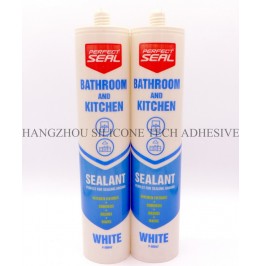
Temporary sealants are designed to provide short-term protection against moisture, dust, or debris during construction or renovation activities. For example, when installing windows or doors, contractors may use a temporary sealant around the frames to prevent rainwater from entering the building before permanent fixtures are fully secured. This interim solution ensures that interior spaces remain dry and free from damage caused by water infiltration, which could otherwise delay progress or require costly repairs. Temporary sealants are particularly useful in multi-phase projects where certain areas remain exposed for extended periods.
Another key advantage of temporary sealants is their flexibility, which allows for easy removal or repositioning without damaging underlying surfaces. During the installation of plumbing fixtures or electrical conduits, workers might apply a temporary sealant around joints to test for leaks or ensure proper alignment before committing to a permanent solution. If adjustments are needed—such as shifting a pipe or realigning a fixture—the temporary sealant can be peeled away or dissolved, leaving the surface intact for reapplication. This adaptability reduces waste and speeds up the overall process by eliminating the need for extensive cleanup or surface preparation after each modification.
In some cases, temporary sealants act as barriers to protect permanent sealing surfaces from contamination during construction. For instance, when tiling a bathroom floor near a shower enclosure, grout or adhesive residue could accidentally spill onto areas intended for permanent silicone sealing. Applying a thin layer of temporary sealant along the edge of the shower base creates a removable shield that catches stray materials. Once tiling is complete, the temporary sealant is removed, revealing a clean, uncontaminated surface ready for permanent sealing. This step helps ensure strong adhesion and a watertight finish for the permanent sealant.
The transition from temporary to permanent sealing requires careful timing to avoid compromising either material’s effectiveness. Temporary sealants should remain in place long enough to fulfill their protective role but be removed before they degrade or bond too strongly to the surface. Most temporary sealants have recommended dwell times specified by manufacturers, which typically range from a few days to several weeks depending on environmental factors like temperature and humidity. Removing them too early may leave gaps vulnerable to moisture, while waiting too long could make removal difficult or damage the substrate. Regular inspections during the project help determine the ideal time for replacement.
Once temporary sealants are removed, proper surface preparation is essential to ensure optimal adhesion of the permanent sealant. Any residue from the temporary material must be thoroughly cleaned using solvents or scrapers designed for the specific type of sealant used. The surface should then be dried completely, as moisture trapped beneath the new sealant can lead to bubbling or reduced effectiveness. Additionally, roughening smooth surfaces with sandpaper or a wire brush can improve mechanical bonding between the substrate and the permanent sealant. Taking these steps guarantees a strong, durable bond that withstands environmental stressors over time.
Not all temporary and permanent sealants are compatible, so selecting products that work well together is crucial to avoiding chemical reactions or adhesion failures. For example, some temporary sealants contain oils or waxes that can inhibit curing of silicone-based permanent sealants, leading to weak spots or premature breakdown. Before combining materials, review technical data sheets provided by manufacturers to confirm compatibility. If unsure, conduct a small-scale test by applying both sealants to a scrap piece of the same substrate and observing how they interact over 24–48 hours. This precaution prevents costly mistakes and ensures the final seal performs as intended.
One of the biggest challenges in combining temporary and permanent sealants is accounting for their varying curing rates. Temporary sealants often cure faster than permanent ones, which means they may be ready for removal while the permanent sealant is still setting. To avoid disrupting the permanent seal, schedule the application of temporary sealants early in the project and plan their removal well before the permanent sealant is applied. If overlapping timelines are unavoidable, use barriers like masking tape to protect the permanent sealant during temporary sealant removal. Clear communication among team members about scheduling and material properties helps minimize conflicts and delays.
While temporary sealants offer convenience, they should never be used as a substitute for permanent solutions in areas requiring structural integrity or long-term waterproofing. For example, relying solely on a temporary sealant around a roof penetration could lead to leaks once the material degrades, causing water damage to ceilings or insulation. Instead, view temporary sealants as supplementary tools that enhance protection during construction, not as permanent fixes. Always prioritize the installation of permanent sealants in critical areas and reserve temporary options for non-structural or low-risk zones where flexibility is more important than longevity.
Environmental factors like temperature, humidity, and UV exposure can affect both temporary and permanent sealants differently, complicating their combined use. High humidity may slow down the curing process of some permanent sealants while accelerating degradation of temporary ones, reducing their effectiveness before replacement. Similarly, extreme temperatures can cause certain materials to become brittle or overly soft, compromising their ability to form a tight seal. To mitigate these issues, monitor weather forecasts and adjust work schedules accordingly. For indoor projects, control the environment using dehumidifiers, heaters, or fans to create ideal conditions for both types of sealants to perform optimally.
By strategically integrating temporary and permanent sealants into construction or renovation workflows, professionals can achieve better protection, flexibility, and longevity in their projects. Understanding each material’s strengths and limitations—and how they interact—enables informed decision-making that leads to reliable, cost-effective sealing solutions tailored to specific needs.
Copyright 2019 by Hangzhou Silicone Tech Adhesive Co., Ltd. All rights reserved.
Bathroom Sealant | Acrylic Sealant | Dow Corning 795 | Aquarium Sealant | Dow Corning 732 | Clear Silicone Sealant | Polysulfide Sealant | Glazing Sealant | Mirror Sealant | IG Sealant
Powered by Onepound


