E-mail:
sales@silicone-sealant-china.com

After applying sealant in bathroom joints—such as around showers, bathtubs, or sinks—verifying its waterproof capabilities is essential to prevent leaks, mold growth, and structural damage. A thorough testing process helps identify weak spots or improper application before water exposure causes long-term issues. By focusing on visual inspections, controlled water exposure, and long-term monitoring, you can ensure your sealant provides reliable protection for years.
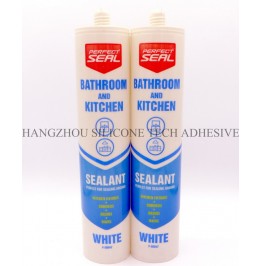
Before introducing water, carefully examine the sealant beads to confirm they are uniformly applied across all joints. Look for gaps, thin spots, or areas where the sealant may have pulled away from the surfaces during application. Pay special attention to corners and edges, as these are common locations for incomplete coverage. Using a flashlight or angled lighting can help highlight irregularities that might be missed under standard room lighting. If you notice any inconsistencies, address them immediately by reapplying sealant to the affected areas and smoothing them out before proceeding with testing.
Air bubbles trapped beneath the sealant surface can compromise its waterproofing ability by creating pathways for moisture to penetrate. Similarly, small cracks or splits in the material may not be immediately visible but can widen over time under pressure or temperature changes. Run your finger lightly along the sealant line to feel for any indentations or rough patches that might indicate underlying issues. For a closer look, use a magnifying glass or smartphone camera with zoom functionality to inspect the surface for microscopic flaws. If bubbles or cracks are found, remove the affected section of sealant and reapply it using proper techniques to ensure a flawless finish.
The edges where the sealant meets tiles, fixtures, or walls must be seamless to prevent water from seeping underneath. Check for sharp angles or abrupt transitions that could trap moisture or allow it to flow behind the sealant. A well-applied sealant should form a gentle curve or slope that directs water away from the joint and toward drainage areas. Use a plastic smoothing tool or your fingertip (covered with a disposable glove) to gently press down on any raised edges, ensuring they adhere firmly to both surfaces. This step is particularly important in high-moisture zones like shower enclosures, where even minor imperfections can lead to leaks over time.
One of the most effective ways to assess the waterproof performance of bathroom sealant is by conducting a controlled flood test. For bathtubs, fill the basin to the overflow level and let it sit for at least 24 hours. For shower bases, use a temporary dam made of silicone caulk or plastic sheeting to hold water to a depth of 2–3 inches. During this period, monitor the surrounding walls, floors, and ceiling below (if applicable) for signs of moisture, such as discoloration, peeling paint, or damp spots. If no leaks appear after the testing period, drain the water slowly and inspect the sealant once more for any changes in appearance or texture.
For vertical joints, such as those between tiles and shower doors or around sink backsplashes, a spray bottle can mimic the direct water impact of daily use. Fill the bottle with clean water and adjust the nozzle to produce a fine mist or steady stream, depending on the intensity you want to test. Spray the sealed areas evenly for 10–15 minutes, focusing on corners and edges where leaks are most likely to occur. Afterward, dry the surfaces with a clean towel and check for any moisture penetration behind the sealant or along the joint lines. Repeat this process several times over the course of a day to simulate repeated exposure to water.
Sealant must remain flexible and firmly adhered to surfaces even when subjected to movement or pressure, such as when stepping into a bathtub or leaning against a tiled wall. To test this, dampen a soft cloth with water and press it firmly against the sealant line for 30–60 seconds. Apply moderate pressure, mimicking the force of everyday use, and observe whether the sealant stretches slightly without tearing or separating from the surfaces. If the material becomes dislodged, cracks, or loses its shape, it may not have been applied correctly or may not be suitable for the specific application. In such cases, remove the faulty sealant and reapply it using techniques that promote better adhesion and flexibility.
Even after initial testing, ongoing monitoring is crucial to catch early signs of sealant degradation. Check the joints at least once every few months, paying close attention to areas exposed to frequent water contact or temperature fluctuations. Look for changes in color, texture, or consistency, such as yellowing, hardening, or softening, which can indicate chemical breakdown or loss of elasticity. If you notice any abnormalities, clean the area thoroughly and reapply sealant as needed to restore its protective properties.
Mold and mildew thrive in damp environments, making bathroom sealant a prime target for infestation if waterproofing fails. Examine the sealant line and surrounding surfaces for black, green, or white spots, which are common indicators of fungal growth. Use a mixture of water and mild detergent to clean the area gently, then dry it thoroughly. If mold reappears shortly after cleaning, it may be a sign that moisture is penetrating the sealant and creating a persistent damp environment. In such cases, remove the affected sealant, treat the underlying surface with an antifungal solution, and reapply fresh sealant to prevent future issues.
Bathrooms experience frequent temperature and humidity changes, which can cause materials like tiles, grout, and fixtures to expand and contract slightly. Over time, this movement may stress the sealant, leading to cracks or separation from the surfaces. If you notice gaps forming between the sealant and adjacent materials, or if the joint appears to be pulling apart, it’s essential to address the issue promptly. Clean the area, remove any loose or damaged sealant, and reapply a fresh bead, ensuring it extends slightly beyond the original joint to account for future movement. Regular maintenance like this helps extend the lifespan of your sealant and maintains its waterproofing effectiveness.
By following these steps for visual inspection, controlled water exposure testing, and long-term monitoring, you can ensure that your bathroom sealant provides reliable waterproof protection against leaks, mold, and structural damage. Whether you’re completing a new installation or maintaining an existing one, attention to detail during each phase of the process will help keep your bathroom dry and functional for years to come.
Copyright 2019 by Hangzhou Silicone Tech Adhesive Co., Ltd. All rights reserved.
Bathroom Sealant | Acrylic Sealant | Dow Corning 795 | Aquarium Sealant | Dow Corning 732 | Clear Silicone Sealant | Polysulfide Sealant | Glazing Sealant | Mirror Sealant | IG Sealant
Powered by Onepound


