Temporary seals are used in combination with permanent sealants
Jan 09,2026 | Views: 355
Combining Temporary and Permanent Sealants for Effective Bathroom Waterproofing
Bathroom renovations often require balancing immediate protection against moisture with long-term durability. Using temporary and permanent sealants together allows contractors to address urgent needs, such as preventing leaks during construction, while ensuring lasting waterproofing once the project is complete. This approach is particularly useful in high-humidity environments or when working with materials that require time to settle. Below are strategies for integrating both types of sealants effectively.
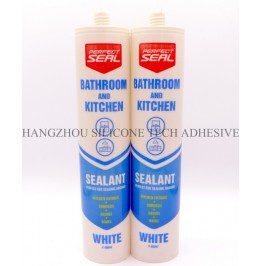
When to Use Temporary Sealants During Construction
Temporary sealants provide short-term protection against water intrusion, dust, or debris during renovation phases. They’re ideal for bridging gaps until permanent solutions can be applied.
-
Protecting unfinished joints: During tiling or plumbing installations, joints between fixtures and walls may remain exposed for days. A temporary sealant creates a barrier against accidental splashes or spills, preventing water damage to subfloors or adjacent rooms.
-
Allowing material adjustment: Some materials, like concrete or grout, shift slightly as they cure. A removable temporary sealant lets these adjustments happen without cracking or compromising the final seal. For example, sealing around a shower tray before tiling ensures no water seeps underneath during the process.
-
Facilitating clean-up: Temporary sealants often have a smoother texture, making them easier to remove without leaving residue. This is useful when sealing areas that will later be painted or finished, as it avoids the need for harsh cleaning agents that might damage surfaces.
Transitioning from Temporary to Permanent Sealants
Switching from temporary to permanent sealants requires careful timing and surface preparation to ensure adhesion and longevity.
-
Remove temporary sealant completely: Use a plastic scraper or putty knife to gently peel away the temporary material. Avoid metal tools, which can scratch surfaces. After removal, wipe the area with a damp cloth to eliminate any remaining residue.
-
Clean and dry the joint thoroughly: Permanent sealants bond best to clean, dry surfaces. Use a mild detergent to remove dirt or grease, then let the area air-dry completely. For porous materials like stone or wood, ensure no moisture is trapped beneath the surface.
-
Apply permanent sealant within the recommended timeframe: Some temporary sealants leave behind a residue that can interfere with adhesion if left too long. Check the manufacturer’s guidelines for how soon to apply the permanent sealant after removal. Typically, waiting 24 hours is sufficient, but environmental factors like humidity may affect this.
Choosing Compatible Materials for Layered Sealing
Not all sealants work well together. Selecting compatible materials prevents chemical reactions, poor adhesion, or premature failure of the permanent seal.
-
Check chemical compatibility: Some temporary sealants contain solvents or plastics that may degrade certain permanent sealants. For example, silicone-based temporary sealants might not adhere well to acrylic permanent sealants. Test a small area first or consult material safety data sheets for guidance.
-
Opt for neutral-curing permanent sealants: Neutral-curing sealants are less likely to react with temporary materials, making them a safer choice for layered applications. They also tend to have lower odor and fewer fumes, which is beneficial in enclosed spaces like bathrooms.
-
Match flexibility requirements: Both temporary and permanent sealants should have similar flexibility ratings to accommodate movement without cracking. For example, joints around bathtubs or shower doors experience frequent shifting, so both sealants should stretch equally under pressure.
Managing Curing Times for Layered Applications
Curing times vary between temporary and permanent sealants, and overlapping them incorrectly can lead to weak joints or trapped moisture.
-
Allow temporary sealant to cure fully before testing: Even though temporary sealants are designed for short-term use, they still need time to set. Applying water or pressure too soon can cause them to break down, allowing moisture to reach the underlying structure.
-
Schedule permanent sealant application during dry weather: High humidity or cold temperatures can slow curing, increasing the risk of mold growth or adhesion issues. If working indoors, use dehumidifiers or heaters to maintain optimal conditions (usually between 50–75°F or 10–24°C).
-
Avoid disturbing the joint during curing: After applying the permanent sealant, protect the area from foot traffic, dust, or water for at least 24–48 hours. Covering the joint with plastic sheeting or tape can help, but ensure it doesn’t stick to the sealant by using a non-adhesive barrier.
Addressing Common Challenges in Layered Sealing
Combining sealants introduces unique challenges, such as uneven surfaces or trapped air bubbles. Proactive measures can minimize these issues.
-
Smooth out temporary sealant before removal: If the temporary sealant has a rough texture, use sandpaper or a smoothing tool to create an even surface. This helps the permanent sealant bond uniformly and reduces the risk of gaps.
-
Use backer rods for deep joints: For joints wider than ¼ inch, insert a foam backer rod before applying the permanent sealant. This fills the space, ensuring the sealant adheres to both sides of the joint and doesn’t sag in the middle.
-
Apply sealant in stages for vertical joints: When sealing vertical surfaces like shower walls, apply the sealant in small sections to prevent it from dripping or sliding. Use a caulking gun with a steady hand, and smooth the bead with a wet finger or tool immediately after application.
By combining temporary and permanent sealants strategically, contractors can protect bathrooms during construction while ensuring lasting waterproofing. This approach reduces the risk of leaks, mold, and costly repairs, creating a durable and functional space. Always follow manufacturer instructions for curing times, compatibility, and application techniques, and adapt methods based on the specific materials and environmental conditions of each project.
Prev: The relationship between the application temperature of bathroom sealant and its curing speed
Next: The application of sealant should be coordinated with other decoration procedures in the bathroom


