The application of sealant should be coordinated with other decoration procedures in the bathroom
Jan 09,2026 | Views: 395
Coordinating Sealant Application with Other Bathroom Renovation Tasks
Successfully renovating a bathroom requires careful planning to ensure each step flows smoothly into the next. Sealant application, while critical for preventing leaks and mold, must align with other tasks like tiling, plumbing, and painting. Missteps in timing or coordination can lead to rework, delays, or compromised results. Below are strategies to integrate sealant work seamlessly with other bathroom renovation processes.
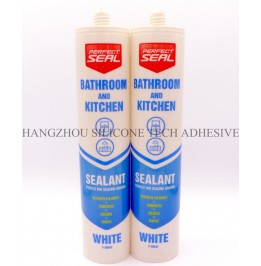
Timing Sealant Application Around Tiling and Grouting
Sealant and tile work often overlap, making coordination essential to avoid damaging freshly installed materials or creating weak joints.
-
Apply sealant after grouting: Grout fills gaps between tiles but isn’t waterproof on its own. Once the grout cures (usually 24–72 hours), apply sealant along edges where tiles meet fixtures like bathtubs, sinks, or shower trays. This creates a secondary barrier against moisture.
-
Protect tiles during sealant work: Use painter’s tape to mask off tile surfaces near joints. This prevents accidental smudges or excess sealant from staining the tiles, especially if they have a glossy or delicate finish.
-
Avoid sealing over wet grout: Applying sealant before grout dries completely can trap moisture, leading to discoloration or mildew. Always confirm the grout is fully cured by touching it lightly—it should feel firm and dry.
Aligning Sealant Work with Plumbing Installations
Plumbing fixtures like faucets, showerheads, and drains interact directly with sealant, requiring precise timing to ensure a watertight finish.
-
Install fixtures before final sealing: After positioning pipes and drains, apply a temporary bead of sealant to test fitment and alignment. Once fixtures are confirmed to sit correctly, remove the temporary sealant and apply a fresh, permanent layer.
-
Leave access points for future repairs: When sealing around pipes or valves, avoid covering them entirely with sealant. Instead, create a removable or flexible seal that allows access without damaging the surrounding area. This simplifies maintenance down the line.
-
Coordinate with plumbing pressure tests: If your renovation includes testing the plumbing system for leaks, schedule sealant application after this step. Pressure testing may dislodge or damage fresh sealant, so it’s safer to wait until the system is confirmed leak-free.
Integrating Sealant Application with Painting and Finishing Touches
Paint and sealant both protect surfaces but require different drying times and conditions. Coordinating these tasks prevents interference and ensures a polished final look.
-
Seal before painting adjacent walls: If sealant will be applied near walls that need painting, complete the sealing first. This avoids accidentally dripping paint onto wet sealant, which can create uneven textures or discoloration.
-
Allow sealant to cure before applying caulk or adhesives: Some finishing tasks, like installing trim or mirrors, involve adhesives that may react with uncured sealant. Check the sealant’s recommended curing time (usually 24–48 hours) and plan other tasks accordingly.
-
Use protective coverings during final cleaning: After sealing, cover joints with plastic sheeting or tape when cleaning the bathroom to remove dust or debris. Harsh cleaning agents or abrasive tools can damage fresh sealant, so opt for gentle, damp cloths instead.
Managing Sealant Curing Time with Other Renovation Activities
Sealant curing times vary based on type and environmental conditions, but most require at least 24 hours to set properly. Planning around this period ensures other tasks don’t disrupt the process.
-
Schedule high-traffic tasks after curing: Avoid activities like moving heavy tools or furniture near freshly sealed joints until the sealant hardens. Even light pressure can dent or shift the material, compromising its effectiveness.
-
Control ventilation during curing: Many sealants emit fumes as they cure, which can linger in enclosed spaces. Open windows or use fans to improve airflow, but avoid direct drafts that might cool the area too quickly or blow debris onto the sealant.
-
Adjust humidity levels if possible: High humidity slows curing, while low humidity may cause the sealant to dry too fast, leading to cracks. Use a dehumidifier or humidifier to maintain a stable environment, ideally between 40–60% relative humidity.
Communicating Clearly with Contractors and Teams
Bathroom renovations often involve multiple tradespeople, making communication vital to avoid conflicting schedules or overlapping tasks.
-
Share a detailed timeline with all parties: Create a shared calendar or project plan outlining when each task—including sealant application—will occur. Highlight dependencies, such as waiting for grout to dry before sealing or painting after sealing.
-
Designate a point person for coordination: Assign one team member to oversee task sequencing and resolve conflicts. This ensures everyone understands their role and reduces the risk of miscommunication.
-
Conduct daily check-ins: Brief morning meetings can help teams stay aligned, address delays, and adjust plans as needed. For example, if tiling takes longer than expected, reschedule sealant work to avoid idle time.
By prioritizing coordination between sealant application and other bathroom renovation tasks, you can minimize disruptions, reduce waste, and achieve a durable, professional finish. Always refer to the sealant manufacturer’s guidelines for curing times and environmental requirements, and adapt your schedule to accommodate unexpected delays or changes. With careful planning, your bathroom renovation will proceed efficiently, leaving you with a functional and aesthetically pleasing space.
Prev: Temporary seals are used in combination with permanent sealants
Next: Waterproof performance test of bathroom sealant after application


