The relationship between the application temperature of bathroom sealant and its curing speed
Jan 09,2026 | Views: 866
Understanding the Relationship Between Application Temperature and Curing Speed of Bathroom Sealants
The effectiveness of bathroom sealants hinges on proper curing, which is heavily influenced by environmental factors like temperature. Applying sealant in conditions that are too hot, cold, or humid can disrupt its chemical reactions, leading to weak bonds, cracking, or prolonged drying times. Below, we explore how temperature affects curing speed and how to optimize conditions for reliable results.
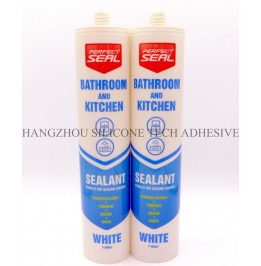
How Temperature Impacts Sealant Curing Chemistry
Sealants rely on chemical reactions to transform from a liquid or paste into a durable, waterproof barrier. Temperature plays a pivotal role in regulating these reactions, with extremes causing delays or premature hardening.
-
Cold temperatures slow reactions: Most sealants, especially silicone- or polyurethane-based varieties, cure through moisture or chemical cross-linking. In cold environments (below 50°F or 10°C), these reactions slow significantly, leaving the sealant tacky or soft for days. This increases the risk of damage during use or exposure to water before full curing.
-
High temperatures accelerate curing: While faster curing might seem beneficial, excessive heat (above 85°F or 30°C) can cause the sealant to harden too quickly. This leads to uneven surfaces, trapped air bubbles, or reduced adhesion, as the material doesn’t have time to settle properly into joints.
-
Humidity interacts with temperature: In humid conditions, moisture-curing sealants (common in bathrooms) may cure faster, but this can backfire if combined with high temperatures. Rapid drying might lock in imperfections, while low humidity in cold environments can stall curing entirely.
Ideal Temperature Ranges for Different Sealant Types
Not all sealants respond to temperature in the same way. Understanding the optimal range for each type ensures consistent performance and longevity.
-
Silicone sealants: Typically cure best between 50–75°F (10–24°C). Below this range, curing may take 2–3 times longer, while above it, the sealant can become brittle or shrink. For moisture-curing silicone, moderate humidity (40–60%) is also ideal to prevent uneven drying.
-
Polyurethane sealants: These require slightly warmer conditions, around 60–85°F (15–30°C), to cure properly. Cold temperatures can cause them to remain sticky, while heat may lead to rapid skinning (a hard outer layer) that traps moisture underneath, weakening the bond.
-
Acrylic sealants: Less sensitive than silicone or polyurethane, acrylics cure effectively between 40–90°F (4–32°C). However, extreme cold can make them prone to cracking, and excessive heat may shorten their lifespan by accelerating degradation.
Adjusting Application Techniques for Temperature Extremes
When working outside ideal temperature ranges, modifying your approach can mitigate issues and ensure a successful seal.
-
In cold weather:
-
Warm the sealant cartridge before use by placing it in warm water (not boiling) for 10–15 minutes. This improves flowability and encourages even curing.
-
Use a heat gun or hairdryer on a low setting to gently warm the joint area before application. Avoid overheating, as this can damage surfaces like plastic or painted wood.
-
Apply thinner beads of sealant to reduce the volume of material needing to cure, which helps it dry faster without trapping cold air.
-
In hot weather:
-
Work early in the morning or late in the day when temperatures are cooler. Direct sunlight can heat surfaces like tile or metal, causing the sealant to cure too quickly.
-
Keep sealant cartridges in a cooler or shaded area until use. If possible, refrigerate them briefly (not freeze) to slow initial curing.
-
Smooth the sealant bead immediately after application using a wet finger or tool dipped in soapy water. This prevents skinning and allows the material to settle evenly.
Monitoring Curing Progress in Variable Conditions
Even with adjustments, temperature fluctuations can affect curing times. Regular checks help identify issues before they compromise the seal.
-
Test adhesion and firmness: After the recommended curing time (usually 24–48 hours), press a fingernail lightly into the sealant. It should feel firm but slightly rubbery. If it indents easily, the sealant needs more time.
-
Watch for surface changes: In cold weather, the sealant may appear dull or chalky, indicating incomplete curing. In heat, it might develop cracks or a glossy, uneven finish. Both signs require reapplication or additional curing time.
-
Avoid water exposure prematurely: Even if the sealant feels dry to the touch, it may not be fully cured. Refer to the manufacturer’s guidelines for water resistance timelines, which can range from 24 hours to 7 days depending on temperature and humidity.
Long-Term Effects of Temperature on Sealant Durability
Beyond initial curing, temperature extremes over time can degrade sealant performance, leading to leaks or mold growth.
-
Repeated thermal cycling: Bathrooms experience frequent temperature changes from showers, heating, or cooling systems. Over time, this can cause the sealant to expand and contract, weakening its bond to surfaces. Choose a sealant with high flexibility to accommodate movement.
-
UV exposure in sunny bathrooms: While less common than in other rooms, sunlight through windows can heat sealant and accelerate aging. Opt for UV-resistant formulations if the bathroom receives significant natural light.
-
Freeze-thaw cycles in unheated spaces: If the bathroom is in a basement or garage that isn’t climate-controlled, cold temperatures can cause water absorbed by the sealant to freeze and expand, cracking the material. Ensure proper ventilation to reduce moisture buildup and consider a more robust sealant for such environments.
By aligning application techniques with temperature conditions and selecting sealants suited to the environment, contractors can ensure reliable, long-lasting waterproofing in bathrooms. Always consult the manufacturer’s guidelines for temperature-specific recommendations, and adjust workflows to account for seasonal or daily fluctuations in climate.
Prev: Control of rain exposure time after sealant application
Next: Temporary seals are used in combination with permanent sealants


