E-mail:
sales@silicone-sealant-china.com

Applying sealant in bathrooms is a critical task for ensuring waterproofing and preventing mold growth. However, achieving a durable and effective seal depends heavily on adhering to the right temperature and humidity conditions during application. Here’s a detailed guide to help you understand and implement the ideal environmental parameters for bathroom sealant projects.
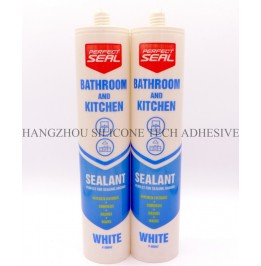
Temperature plays a pivotal role in the performance of sealants. Most bathroom sealants, particularly silicone-based ones, are designed to cure properly within a specific temperature range. Generally, the recommended temperature for applying bathroom sealant is between 5°C and 35°C. This range ensures that the sealant can flow smoothly into gaps and cracks, forming a strong bond with the substrate.
Applying sealant at temperatures below the minimum threshold can lead to several issues. The sealant may become too viscous, making it difficult to apply evenly. Additionally, low temperatures can slow down the curing process significantly, leading to extended drying times and potential adhesion problems. In extreme cases, cold temperatures can cause the sealant to freeze, rendering it unusable.
Conversely, applying sealant at temperatures above the maximum threshold can also be problematic. High temperatures can accelerate the curing process, reducing the working time and making it challenging to achieve a smooth finish. Moreover, excessive heat can cause the sealant to bubble or crack as it cures, compromising its waterproofing capabilities.
To ensure optimal temperature conditions during sealant application, consider the following tips:
Humidity is another critical factor that affects the performance of bathroom sealants. High humidity levels can prolong the curing process, leading to extended drying times and potential adhesion issues. On the other hand, low humidity levels can cause the sealant to cure too quickly, resulting in a rough or uneven finish.
The ideal humidity range for applying bathroom sealant is between 40% and 80%. Within this range, the sealant can cure properly without being affected by excessive moisture or dryness. However, it’s essential to note that some sealants may have specific humidity requirements, so always refer to the manufacturer’s instructions for guidance.
To maintain optimal humidity levels during sealant application, consider the following strategies:
While temperature and humidity are crucial factors, there are other considerations to keep in mind to ensure a successful sealant application in bathrooms:
Copyright 2019 by Hangzhou Silicone Tech Adhesive Co., Ltd. All rights reserved.
Bathroom Sealant | Acrylic Sealant | Dow Corning 795 | Aquarium Sealant | Dow Corning 732 | Clear Silicone Sealant | Polysulfide Sealant | Glazing Sealant | Mirror Sealant | IG Sealant
Powered by Onepound


