Quick curing acceleration method for bathroom sealant
May 05,2026 | Views: 240
Accelerating the Curing Process of Bathroom Sealants: Effective Strategies
When undertaking bathroom renovations or repairs, ensuring that sealants cure properly and quickly is essential for achieving a durable, waterproof finish. The curing time of sealants can be influenced by several environmental factors, including temperature and humidity. By optimizing these conditions, you can significantly speed up the curing process without compromising the quality of the seal.
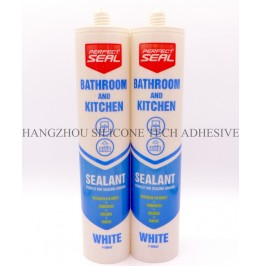
Optimal Temperature Conditions for Faster Curing
Temperature plays a crucial role in the chemical reactions that occur during the curing process of sealants. Generally, higher temperatures accelerate these reactions, leading to faster curing times. For most bathroom sealants, the ideal temperature range for application and curing is between 20°C and 30°C.
-
Raising Ambient Temperature: If the bathroom is cooler than the recommended range, consider using portable heaters to increase the temperature. Ensure proper ventilation to prevent the buildup of moisture, which can affect curing.
-
Avoiding Extreme Heat: While higher temperatures promote faster curing, excessively high temperatures can cause the sealant to cure too quickly on the surface, potentially trapping moisture underneath and leading to an incomplete cure. It's important to maintain a balanced temperature within the recommended range.
Managing Humidity Levels for Enhanced Curing
Humidity is another critical factor that influences the curing process of sealants, particularly those that rely on moisture in the air to cure, such as silicone-based sealants.
-
Increasing Humidity: In dry environments, increasing humidity can help accelerate the curing process. You can achieve this by using a humidifier or by placing bowls of water in the bathroom to introduce moisture into the air.
-
Maintaining Moderate Humidity: While some humidity is beneficial, excessively high humidity levels can lead to condensation on surfaces, which may interfere with the curing process. Aim for a humidity level between 40% and 60% for optimal results.
Additional Tips for Accelerating Sealant Curing
Beyond temperature and humidity control, there are several other strategies you can employ to promote faster curing of bathroom sealants:
-
Ensuring Proper Ventilation: Good air circulation helps to disperse any fumes generated during the curing process and prevents the buildup of moisture. Open windows or use exhaust fans to maintain adequate ventilation in the bathroom.
-
Using Thinner Beads of Sealant: Applying thinner beads of sealant can reduce the overall curing time, as thinner layers cure more quickly than thicker ones. Use a caulking gun to apply a consistent, thin bead of sealant along the joint or seam.
-
Selecting Fast-Curing Sealants: Some sealants are specifically formulated to cure more quickly than others. When purchasing sealants, look for products labeled as "fast-curing" or "quick-dry" to reduce waiting times.
-
Avoiding Disturbance During Curing: Once the sealant is applied, avoid touching or disturbing it until it has fully cured. Even slight movements or vibrations can disrupt the curing process and lead to an uneven or weak seal.
Prev: The curing time for the bathroom mold prevention sealant to reach full hardness
Next: Temperature and humidity requirements for the application of bathroom sealant


