E-mail:
sales@silicone-sealant-china.com

Understanding the Curing Process of Bathroom Mold-Resistant Sealants
When applying mold-resistant sealants in bathrooms, understanding the curing process is crucial for ensuring a durable and effective seal. The time required for complete curing can vary based on several factors, including the type of sealant, environmental conditions, and application thickness.
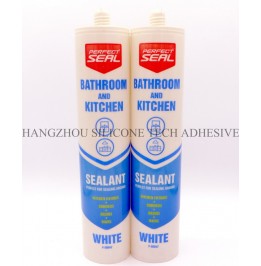
Typical Curing Times for Mold-Resistant Sealants
Most mold-resistant sealants, particularly those based on silicone technology, require a significant amount of time to fully cure. On average, these sealants can take anywhere from 24 hours to 7 days to reach their maximum strength and durability. During this period, the sealant undergoes a chemical reaction that transforms it from a liquid or paste state into a solid, elastic material capable of withstanding moisture and preventing mold growth.
Initial Surface Dry Time: Within the first few hours after application, the sealant will begin to form a skin on its surface. This initial dry time can range from 15 minutes to several hours, depending on the specific product and environmental conditions. During this stage, it's important to avoid disturbing the sealant to prevent any imperfections or weak spots from forming.
Intermediate Curing Stage: After the initial surface dry, the sealant enters an intermediate curing stage where it continues to harden and gain strength. This stage can last anywhere from 12 hours to several days, depending on the product and environmental factors such as temperature and humidity. During this time, the sealant may still be somewhat soft or pliable, so it's important to avoid applying excessive pressure or stress to the sealed area.
Complete Curing Time: For most mold-resistant sealants, complete curing can take up to 7 days. During this final stage, the sealant reaches its maximum strength and durability, forming a tight, waterproof seal that is resistant to mold and mildew growth. Once fully cured, the sealant can withstand regular cleaning and exposure to moisture without deteriorating or losing its effectiveness.
Factors Affecting Curing Time
Several factors can influence the curing time of mold-resistant sealants in bathrooms:
Temperature: Higher temperatures generally accelerate the curing process, while lower temperatures can slow it down. Ideally, the bathroom should be kept at a moderate temperature (around 20-25°C) during the curing period to ensure optimal results.
Humidity: High humidity levels can also affect the curing time of sealants. Excessive moisture in the air can prolong the drying process and potentially lead to issues such as bubbling or cracking. To mitigate this, ensure proper ventilation in the bathroom during and after application.
Application Thickness: Thicker layers of sealant will take longer to cure than thinner ones. When applying sealant, try to maintain a consistent thickness throughout the sealed area to ensure uniform curing.
Tips for Ensuring Proper Curing
To ensure that your mold-resistant sealant cures properly and forms a durable seal, follow these tips:
Read the Instructions: Always refer to the manufacturer's instructions for specific guidance on curing times and application techniques. Different products may have varying requirements based on their composition and intended use.
Maintain Optimal Conditions: Keep the bathroom at a moderate temperature and humidity level during the curing period. Use fans or dehumidifiers if necessary to regulate the environment.
Avoid Disturbance: Once the sealant is applied, avoid touching or disturbing it until it has fully cured. This will help prevent any imperfections or weak spots from forming in the seal.
Test for Curing: Before using the bathroom or exposing the sealed area to moisture, perform a simple test to check if the sealant has cured properly. Gently press on the sealant with your finger; if it feels firm and elastic, it's likely fully cured. If it feels soft or sticky, give it more time to cure before using the area.
Copyright 2019 by Hangzhou Silicone Tech Adhesive Co., Ltd. All rights reserved.
Bathroom Sealant | Acrylic Sealant | Dow Corning 795 | Aquarium Sealant | Dow Corning 732 | Clear Silicone Sealant | Polysulfide Sealant | Glazing Sealant | Mirror Sealant | IG Sealant
Powered by Onepound


