E-mail:
sales@silicone-sealant-china.com

Maintaining a clean and hygienic bathroom involves paying attention to every detail, including the surfaces treated with waterproof sealant. Over time, these areas can accumulate dirt, grime, mold, and mildew, compromising both their appearance and functionality. A thorough cleaning process not only restores the sealant's original look but also extends its lifespan by preventing premature deterioration. Here’s a step-by-step guide to effectively clean bathroom waterproof sealant surfaces.
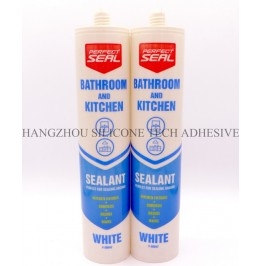
Before diving into the cleaning process, take a moment to assess the condition of the waterproof sealant surfaces. Look for signs of mold, mildew, or stubborn stains that may require special attention. Identify any areas where the sealant appears cracked, peeling, or discolored, as these may need repair or replacement after cleaning.
Next, gather the necessary cleaning supplies. You’ll need a mild detergent or a specialized bathroom cleaner, a soft-bristled brush or an old toothbrush, a microfiber cloth or sponge, white vinegar, baking soda, and a bucket of warm water. Avoid using harsh chemicals or abrasive cleaners, as these can damage the sealant and strip away its protective properties.
Prepare the workspace by removing any loose items from the bathroom, such as towels, rugs, or toiletries. Open windows or turn on the exhaust fan to ensure proper ventilation during the cleaning process. This helps dissipate any fumes from cleaning products and speeds up the drying time afterward.
Start by removing loose dirt and debris from the sealant surfaces. Use a dry microfiber cloth or a soft-bristled brush to gently sweep away dust, hair, and other particles. Pay special attention to the corners and edges of the sealant, where dirt tends to accumulate.
For larger surfaces, such as shower walls or bathtub surrounds, you can use a vacuum cleaner with a brush attachment to quickly remove loose dirt. Be careful not to press too hard or scratch the sealant with the vacuum nozzle.
Once the loose dirt is removed, dampen a microfiber cloth or sponge with warm water and wring it out thoroughly. Gently wipe down the sealant surfaces to remove any remaining dust or light grime. Avoid using excessive water, as this can seep into the sealant and cause damage over time.
Mold and mildew are common problems in bathrooms, especially in areas treated with waterproof sealant. These fungi thrive in moist environments and can quickly spread if left unchecked. To effectively remove mold and mildew from sealant surfaces, create a natural cleaning solution using white vinegar and water.
Mix equal parts white vinegar and water in a spray bottle and shake well to combine. Spray the solution generously onto the affected areas of the sealant, ensuring complete coverage. Allow the solution to sit for at least 15-20 minutes to penetrate and kill the mold spores.
After the dwell time, use a soft-bristled brush or an old toothbrush to scrub the sealant surfaces gently. Focus on the areas with visible mold or mildew, applying a bit of extra pressure if needed. Be careful not to scrub too hard, as this can damage the sealant.
Rinse the sealant surfaces thoroughly with warm water to remove any remaining vinegar solution and loosened mold particles. Use a clean microfiber cloth or sponge to wipe away excess water and dry the surfaces completely. Proper drying is essential to prevent the growth of new mold or mildew.
For stubborn stains that resist regular cleaning methods, a paste made from baking soda and water can be highly effective. Baking soda is a natural abrasive that helps lift stains without damaging the sealant surface.
Create a thick paste by mixing baking soda with a small amount of water in a bowl. Apply the paste directly to the stained areas of the sealant using a clean finger or a soft-bristled brush. Gently massage the paste into the stain, working in small circular motions.
Allow the baking soda paste to sit on the stain for at least 10-15 minutes to break down the dirt and grime. Then, use a damp microfiber cloth or sponge to wipe away the paste, rinsing frequently to remove any residue. Repeat the process if necessary until the stain is completely removed.
For particularly tough stains, you can leave the baking soda paste on overnight and wipe it away the next morning. Just be sure to cover the area with a plastic wrap or a damp cloth to prevent the paste from drying out too quickly.
After completing the cleaning process, perform a final inspection of the waterproof sealant surfaces. Look for any remaining stains, mold, or mildew that may have been missed during the initial cleaning. Touch up these areas as needed using the appropriate cleaning methods described above.
Once the surfaces are clean and dry, consider applying a thin layer of silicone-based sealant protector or conditioner to help maintain the sealant's flexibility and water resistance. Follow the manufacturer’s instructions carefully when applying any protective products, and avoid using excessive amounts that could trap moisture.
To prevent future buildup of dirt, mold, and mildew, incorporate regular cleaning into your bathroom maintenance routine. Wipe down the sealant surfaces after each shower or bath using a squeegee or a dry microfiber cloth to remove excess water. Keep the bathroom well-ventilated by opening windows or using the exhaust fan regularly to reduce humidity levels.
By following these steps and adopting a proactive approach to bathroom maintenance, you can keep your waterproof sealant surfaces looking clean, fresh, and functional for years to come.
Copyright 2019 by Hangzhou Silicone Tech Adhesive Co., Ltd. All rights reserved.
Bathroom Sealant | Acrylic Sealant | Dow Corning 795 | Aquarium Sealant | Dow Corning 732 | Clear Silicone Sealant | Polysulfide Sealant | Glazing Sealant | Mirror Sealant | IG Sealant
Powered by Onepound


