E-mail:
sales@silicone-sealant-china.com

Bathroom sealant plays a crucial role in preventing water leakage and maintaining a hygienic environment. However, over time, it may develop cracks, gaps, or start to peel off, necessitating repairs. Here are some effective techniques to restore your bathroom sealant to its optimal condition.
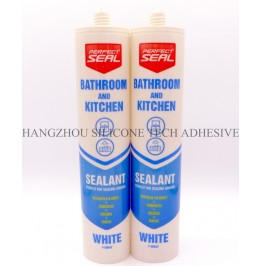
Before starting the repair process, it's essential to accurately identify the extent and nature of the damage to the bathroom sealant. This step ensures that you use the right approach and materials for the repair.
Begin by carefully examining the sealant around the bathtub, shower, sink, and other areas where it's applied. Look for any visible cracks, no matter how small. Even tiny cracks can allow water to seep through, leading to more significant problems over time. Also, check for gaps between the sealant and the adjacent surfaces, such as tiles or fixtures. These gaps can be a result of the sealant shrinking or not being applied properly in the first place.
Gently run your fingers along the sealant line. If you feel any areas where the sealant is peeling away from the surface or is loose, mark these spots. Peeling sealant is a clear sign that it has lost its adhesion and needs to be repaired or replaced. This can occur due to exposure to moisture, temperature changes, or the use of harsh cleaning products.
Once you've identified the damaged areas, the next step is to remove the old sealant. Proper removal is crucial to ensure a smooth and long - lasting repair.
A sealant remover tool, which is typically a plastic or metal scraper with a pointed end, is ideal for this task. Insert the pointed end of the tool under the edge of the damaged sealant and gently pry it up. Work slowly and carefully to avoid damaging the underlying surface, such as tiles or the bathtub. As you lift the sealant, use the flat side of the tool to scrape it away completely. For stubborn areas, you may need to apply a bit more pressure, but be cautious not to scratch the surface.
After removing the old sealant, the surface needs to be thoroughly cleaned to ensure proper adhesion of the new sealant. Use a mild detergent solution and a soft - bristled brush to scrub away any residue, dirt, or grease. Pay special attention to the areas where the sealant was attached, as these may have accumulated grime over time. Rinse the surface with clean water and allow it to dry completely. Any moisture left on the surface can prevent the new sealant from bonding properly, leading to future problems.
With the damaged sealant removed and the surface clean and dry, it's time to apply the new sealant. This step requires precision and attention to detail to achieve a professional - looking finish.
Choose a sealant that is specifically designed for bathroom use. These sealants are typically waterproof, mold - resistant, and have good adhesion properties. Consider the color of the sealant as well, ensuring it matches the existing sealant or the overall decor of your bathroom. If you're unsure about which type to use, consult with a hardware store professional or refer to the manufacturer's recommendations for bathroom applications.
If you're using a cartridge - type sealant, you'll need a caulking gun. Insert the cartridge into the gun, making sure it's securely in place. Cut the tip of the cartridge at a 45 - degree angle, using a sharp utility knife. The size of the cut will determine the width of the sealant bead, so adjust it according to the gap you need to fill. Hold the caulking gun at a 45 - degree angle to the surface and apply steady pressure on the trigger to extrude the sealant. Move the gun along the gap in a continuous motion, keeping the bead of sealant consistent in width.
After applying the new sealant, it needs to be smoothed out to create a neat and professional finish. This step also helps to remove any air bubbles and ensure proper adhesion.
You can use a specialized sealant smoothing tool, which is designed to create a smooth and even finish on the sealant. Alternatively, a wet finger can also work well. Dip your finger in a bowl of water with a few drops of dish soap (the soap helps to prevent the sealant from sticking to your finger). Gently run your finger along the bead of sealant, applying light pressure to smooth it out. Work in one direction, from one end of the gap to the other, to avoid creating ridges or uneven spots.
Once the sealant is smoothed out, it's important to allow it sufficient time to cure. The curing time will vary depending on the type of sealant used, but it's generally recommended to avoid getting the sealant wet for at least 24 - 48 hours. During this time, keep the bathroom well - ventilated to help the sealant dry and cure properly. Avoid touching or disturbing the sealant until it has fully cured to ensure a strong and durable bond.
Copyright 2019 by Hangzhou Silicone Tech Adhesive Co., Ltd. All rights reserved.
Bathroom Sealant | Acrylic Sealant | Dow Corning 795 | Aquarium Sealant | Dow Corning 732 | Clear Silicone Sealant | Polysulfide Sealant | Glazing Sealant | Mirror Sealant | IG Sealant
Powered by Onepound


