E-mail:
sales@silicone-sealant-china.com

Sealants are widely used in construction and various DIY projects to fill gaps and create a watertight or airtight seal. However, one common issue that can arise is color changes in the sealant after it has been applied. This can detract from the aesthetic appeal of the finished project and may even indicate underlying problems. Here are some effective preventive measures to keep your sealant looking its best.
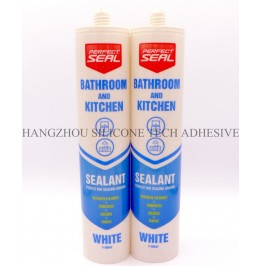
The condition of the surface to which the sealant is applied plays a crucial role in preventing color changes. A well - prepared surface ensures better adhesion and reduces the likelihood of chemical reactions that could cause discoloration.
Before applying the sealant, it's essential to clean the surface meticulously. Dust, dirt, grease, and other contaminants can interfere with the sealant's bonding process and lead to uneven color distribution. Use a mild detergent solution and a soft - bristled brush to scrub the surface. For stubborn stains, a non - abrasive cleaner can be used. After cleaning, rinse the surface with clean water and allow it to dry completely. Any moisture trapped beneath the sealant can cause it to change color over time as it may promote the growth of mold or mildew.
If there is old sealant or other coatings on the surface, they must be removed completely. Old sealant can break down over time and release chemicals that react with the new sealant, causing color changes. Use a sealant remover tool or a scraper to carefully remove the old material. After removal, clean the surface again to get rid of any residue. This step is especially important when re - sealing a joint or a gap, as the new sealant needs a clean and stable base to adhere to.
Choosing the appropriate sealant for the specific application is vital in preventing color changes. Different sealants have different chemical compositions and are designed for various environments and substrates.
The environment in which the sealant will be used has a significant impact on its color stability. For example, if the sealant will be exposed to direct sunlight for long periods, it should have UV - resistant properties. Ultraviolet rays from the sun can break down the chemical bonds in the sealant, causing it to fade or change color. In areas with high humidity, such as bathrooms or kitchens, a sealant with good moisture resistance is necessary to prevent mold growth, which can also lead to discoloration.
The type of material the sealant will be applied to also matters. Some sealants may react with certain substrates, causing color changes. For instance, if applying sealant to a metal surface, choose a sealant that is compatible with metals to avoid chemical reactions that could discolor the sealant or the metal. Research the properties of different sealants and select one that is specifically formulated for the substrate you are working with.
The way the sealant is applied can influence its color stability. Following proper application techniques ensures an even and consistent finish, reducing the chances of color variations.
Using too much or too little sealant can lead to problems, including color changes. If too much sealant is applied, it may take longer to cure, and during this time, it can be more susceptible to environmental factors that cause discoloration. On the other hand, if not enough sealant is used, gaps may remain, allowing moisture or other substances to penetrate and potentially change the color of the sealant. Use a caulking gun to apply a consistent bead of sealant along the joint or gap, following the manufacturer's recommended coverage rate.
After applying the sealant, it needs to be smoothed out to create a neat finish. Use a sealant smoothing tool or a wet finger to gently run along the bead of sealant. This helps to remove any air bubbles and create a smooth surface. However, be careful not to over - work the sealant, as this can introduce air into it or cause it to stretch, which may lead to color inconsistencies once it cures. Work in small sections and apply even pressure when smoothing the sealant.
Once the sealant has been applied and cured, proper care and maintenance can help prevent color changes over time.
When cleaning the area around the sealant, avoid using harsh chemicals or abrasive cleaners. These substances can damage the surface of the sealant and cause it to change color. Instead, use a mild, non - abrasive cleaner and a soft cloth. For example, in a kitchen where the sealant around the sink may come into contact with cleaning products, choose gentle dish soaps or all - purpose cleaners that won't harm the sealant.
Periodically inspect the sealant for any signs of color changes, cracks, or other damage. If you notice any issues, address them promptly. Small color changes or cracks can often be repaired with a touch - up application of sealant. By catching problems early, you can prevent them from getting worse and maintain the overall appearance of the sealant. Regular inspection is especially important in areas that are exposed to high levels of wear and tear or environmental stress.
Copyright 2019 by Hangzhou Silicone Tech Adhesive Co., Ltd. All rights reserved.
Bathroom Sealant | Acrylic Sealant | Dow Corning 795 | Aquarium Sealant | Dow Corning 732 | Clear Silicone Sealant | Polysulfide Sealant | Glazing Sealant | Mirror Sealant | IG Sealant
Powered by Onepound


