E-mail:
sales@silicone-sealant-china.com

When sealants are used in various settings, from bathrooms to kitchens, they are inevitably exposed to different cleaning agents over time. Ensuring that the sealant is compatible with these cleaning agents is crucial to maintain its integrity, appearance, and functionality. Here's a comprehensive guide on how to conduct compatibility testing of sealants with cleaning agents after application.
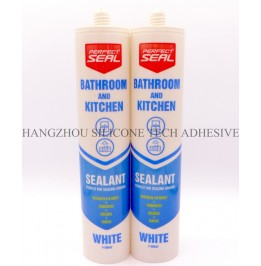
Sealants are designed to create a barrier against moisture, air, and other elements. However, if they react negatively with commonly used cleaning agents, it can lead to a range of problems.
Incompatible cleaning agents can cause the sealant to degrade over time. This degradation may manifest as discoloration, cracking, or even complete breakdown of the sealant material. For example, a strong acidic cleaner might react with certain types of sealants, leading to a loss of elasticity and making the sealant more prone to cracking under stress. By conducting compatibility testing, you can identify which cleaning agents are safe to use around the sealant, thus preventing premature degradation.
Sealants are often used in visible areas, such as around sinks, bathtubs, and countertops. If a cleaning agent causes the sealant to change color or become discolored, it can significantly affect the overall aesthetic of the space. Compatibility testing helps ensure that the sealant retains its original color and appearance, keeping the area looking clean and well - maintained.
Not all cleaning agents are created equal, and different types can have varying effects on sealants. It's important to choose a representative sample of cleaning agents that are commonly used in the area where the sealant is applied.
Start by considering the most frequently used household cleaning agents. This includes all - purpose cleaners, which are often used for general cleaning tasks. These cleaners may contain a variety of chemicals, such as surfactants, solvents, and disinfectants. Additionally, consider specific cleaners for different surfaces, like glass cleaners for windows and mirrors near the sealant, and bathroom cleaners for areas around showers and bathtubs. Some bathroom cleaners may contain bleach or other strong oxidizing agents, which can be particularly harsh on sealants.
If the area where the sealant is applied has unique cleaning requirements, include specialty cleaning agents in your testing. For example, in a kitchen, you may need to test the sealant's compatibility with grease - cutting cleaners, which often contain strong solvents to dissolve oil and grime. In a medical or laboratory setting, disinfectants with high levels of alcohol or other antimicrobial agents may be used, and these can also impact the sealant.
Once you have selected the cleaning agents, you can proceed with the actual compatibility testing. This involves applying the cleaning agents to the sealant and observing the results over time.
Cut small sections of the applied sealant, ensuring that each sample is of similar size and thickness. Label each sample clearly to keep track of which cleaning agent will be applied to it. It's a good idea to have multiple samples for each cleaning agent to account for any variations in the test results. Place the samples on a non - reactive surface, such as a glass or plastic plate, to prevent any interference from the underlying material.
Using a clean, soft cloth or a spray bottle, apply the selected cleaning agent to each sample. Follow the manufacturer's instructions for dilution and application method, if applicable. For example, if the cleaning agent is a concentrate, dilute it with water according to the recommended ratio before applying it to the sealant sample. Apply the cleaning agent evenly across the surface of the sample, ensuring that it is fully covered.
Immediately after applying the cleaning agent, observe the sample for any immediate reactions. Look for signs of discoloration, such as fading, yellowing, or the appearance of new colors. Also, check for any changes in the texture of the sealant, such as becoming sticky, rough, or soft. If there are any bubbles forming on the surface of the sealant, this could indicate a chemical reaction between the cleaning agent and the sealant material.
After the initial observation, place the samples in a well - ventilated area at room temperature. Check the samples regularly over an extended period, which could range from a few days to a few weeks, depending on the type of sealant and cleaning agent. During this time, look for any delayed reactions, such as the development of cracks or the gradual loss of adhesion of the sealant to the underlying surface. If the sealant starts to peel away from the sample plate, it's a clear sign of incompatibility.
Once the testing period is complete, it's time to interpret the results to determine which cleaning agents are compatible with the sealant.
If a cleaning agent shows no signs of discoloration, texture changes, or adhesion loss on the sealant samples over the testing period, it can be considered compatible with the sealant. These cleaning agents can be safely used in the area where the sealant is applied without causing damage. However, it's still important to follow the manufacturer's instructions for use and avoid excessive or prolonged exposure to the cleaning agent.
If a cleaning agent causes negative effects on the sealant samples, such as discoloration, cracking, or peeling, it should be avoided in the area where the sealant is used. Instead, look for alternative cleaning agents that have shown compatibility in the test. If no suitable alternatives are available, consider using the incompatible cleaning agent with extra caution, such as diluting it further or using it only in small, well - ventilated areas and rinsing the sealant thoroughly with water after cleaning.
Copyright 2019 by Hangzhou Silicone Tech Adhesive Co., Ltd. All rights reserved.
Bathroom Sealant | Acrylic Sealant | Dow Corning 795 | Aquarium Sealant | Dow Corning 732 | Clear Silicone Sealant | Polysulfide Sealant | Glazing Sealant | Mirror Sealant | IG Sealant
Powered by Onepound


