E-mail:
sales@silicone-sealant-china.com

When it comes to applying sealants over large areas, proper team coordination is essential to ensure a high - quality finish, efficiency, and safety. Here are some key strategies for achieving seamless teamwork during large - area sealant application projects.
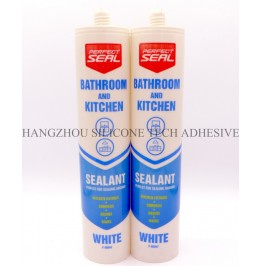
Before starting the actual sealant application work, thorough planning and clear communication among team members lay the foundation for a successful project.
Each team member should have a well - defined role in the project. For instance, some may be responsible for surface preparation, which includes cleaning, sanding, and ensuring the area is dry and free of debris. Others could be in charge of mixing the sealant if it requires on - site preparation, following the manufacturer's instructions precisely to achieve the right consistency. There should also be team members dedicated to the actual application of the sealant, using appropriate tools like caulking guns or trowels. Clearly outlining these roles helps avoid confusion and ensures that all aspects of the project are covered.
Effective communication is vital throughout the project. Set up a communication system that allows team members to quickly and easily share information. This could involve using two - way radios for on - site communication, especially in large areas where shouting may not be effective. Regular team meetings, either at the start of each workday or at key milestones during the project, can also be used to discuss progress, address any issues, and make necessary adjustments to the plan. For example, if a team member encounters an unexpected obstacle during surface preparation, they can immediately inform the rest of the team through the established communication channels.
Surface preparation is a critical step in large - area sealant application, and team coordination is necessary to complete this task efficiently and effectively.
Divide the large area into smaller, manageable sections. Assign specific sections to different team members or sub - teams based on their skills and the complexity of the surface preparation required. For example, if one part of the area has more intricate details or requires more extensive cleaning, assign more experienced team members to that section. This division of labor ensures that the work progresses evenly across the entire area and that no section is neglected.
Different surface preparation steps may need to be carried out in a specific order and at a similar pace across the work area. For example, if cleaning is followed by sanding, team members working on adjacent sections should synchronize their activities. This way, when one section is ready for sanding after cleaning, the next section is also at the appropriate stage, preventing delays. Team members can use visual cues or signals to coordinate their actions, such as raising a hand when they have completed a particular step in their assigned section.
The actual application of the sealant requires precise teamwork to achieve a uniform and professional finish over a large area.
When applying the sealant, it's important for team members to maintain a consistent speed and pressure. This ensures that the sealant is distributed evenly and that the thickness of the applied layer is uniform throughout the area. Team leaders can monitor the application process and provide feedback to team members to help them maintain consistency. For example, if one team member is applying the sealant too quickly, resulting in an uneven layer, the leader can guide them to slow down and adjust their pressure.
In large - area applications, multiple team members may be applying the sealant simultaneously in different sections. To create a seamless finish, it's necessary to overlap and blend the sealant beads at the boundaries between sections. Team members should be trained on the proper technique for overlapping and blending, which typically involves applying the sealant in a continuous motion and then using a tool, such as a smoothing tool or a wet finger, to blend the overlapping areas. Clear communication between team members working on adjacent sections is crucial to ensure that the overlapping and blending are done correctly and at the right time.
After the sealant has been applied, team coordination is still required for quality control and any necessary post - application work.
Once the sealant application is complete, the entire team should conduct a joint inspection of the area. This allows multiple sets of eyes to check for any defects, such as air bubbles, uneven layers, or missed spots. Team members can share their observations and work together to identify areas that need touch - ups or corrections. By involving the whole team in the inspection process, a more thorough evaluation can be achieved, and any issues can be addressed promptly.
Different types of sealants have specific curing requirements. Team members need to coordinate to ensure that the curing process is not disrupted. This may involve restricting access to the area during the curing period to prevent damage to the freshly applied sealant. Additionally, if any protection measures, such as covering the sealant with plastic sheets in case of rain or extreme weather conditions, are necessary, the team should work together to implement and monitor these measures effectively.
Copyright 2019 by Hangzhou Silicone Tech Adhesive Co., Ltd. All rights reserved.
Bathroom Sealant | Acrylic Sealant | Dow Corning 795 | Aquarium Sealant | Dow Corning 732 | Clear Silicone Sealant | Polysulfide Sealant | Glazing Sealant | Mirror Sealant | IG Sealant
Powered by Onepound


