E-mail:
sales@silicone-sealant-china.com

When you've completed a sealant application project, dealing with the remaining materials correctly is essential. Proper storage not only extends the shelf - life of the sealant but also ensures its quality for future use. Here are some effective ways to store leftover sealant materials.
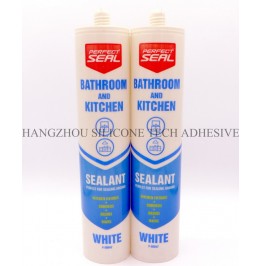
Different types of sealants have unique chemical compositions, which means they have varying storage needs.
Water - based sealants are generally more environmentally friendly and easier to clean up. For these sealants, the key is to prevent them from drying out. After use, make sure the container is tightly sealed. If the sealant comes in a tube, squeeze out as much air as possible before closing the cap. Store water - based sealants in a cool, dry place, away from direct sunlight. High temperatures can cause the water in the sealant to evaporate, leading to thickening and a loss of workability. Also, avoid storing them in areas with high humidity, as excessive moisture can affect the sealant's performance over time.
Solvent - based sealants contain volatile organic compounds (VOCs) and have a different set of storage requirements. Similar to water - based sealants, they need to be stored in a well - sealed container to prevent the solvent from evaporating. Solvent evaporation can change the consistency of the sealant, making it too thick to apply smoothly. These sealants should be stored in a well - ventilated area to avoid the buildup of fumes. Additionally, keep them away from sources of ignition, such as open flames or electrical sparks, as the solvents are flammable.
The container you choose to store the leftover sealant in plays a crucial role in maintaining its quality.
Whenever possible, store the leftover sealant in its original container. The original containers are designed specifically for the product and usually have a good seal to prevent air and moisture from entering. Before storing, clean the rim of the container to ensure a proper seal. For tubes, use a clean cloth to wipe off any excess sealant around the opening. If the cap is damaged or doesn't seal properly, consider transferring the sealant to a more suitable container.
If the original container is not suitable for further storage or is damaged, you can use alternative containers. Glass jars with tight - fitting lids can be a good option for small amounts of sealant. Make sure the jars are clean and dry before transferring the sealant. For larger quantities, you can use plastic buckets with airtight lids. When transferring the sealant, use a clean, dry tool to avoid introducing contaminants. Label the alternative containers clearly with the type of sealant, the date of storage, and any other relevant information.
For long - term storage of leftover sealant, there are several additional factors to keep in mind.
Maintaining a stable temperature is vital for the long - term preservation of sealant. Extreme temperatures, both hot and cold, can have a negative impact on the sealant's properties. As mentioned earlier, high temperatures can cause evaporation or chemical reactions that alter the sealant's consistency. On the other hand, very low temperatures can cause some sealants to freeze, which can lead to irreversible damage. Store the sealant in a place where the temperature remains within the range recommended by the manufacturer, usually between 50 - 80 degrees Fahrenheit (10 - 27 degrees Celsius).
Contamination can significantly reduce the shelf - life and effectiveness of the sealant. Keep the storage area clean and free from dust, dirt, and other debris. When accessing the stored sealant, use clean tools to avoid introducing foreign particles. If you're using a tube of sealant, don't touch the tip of the tube to any unclean surfaces. Also, be careful not to mix different types of sealants in the same container, as this can cause chemical reactions and ruin both products.
Even when stored properly, it's a good idea to inspect the leftover sealant regularly. Check for any signs of changes in consistency, such as thickening, separation, or the formation of lumps. Also, look for any changes in color or odor, which could indicate chemical degradation. If you notice any of these signs, it may be best to dispose of the sealant rather than using it in a future project, as its performance may be compromised.
Copyright 2019 by Hangzhou Silicone Tech Adhesive Co., Ltd. All rights reserved.
Bathroom Sealant | Acrylic Sealant | Dow Corning 795 | Aquarium Sealant | Dow Corning 732 | Clear Silicone Sealant | Polysulfide Sealant | Glazing Sealant | Mirror Sealant | IG Sealant
Powered by Onepound


