E-mail:
sales@silicone-sealant-china.com

When it comes to bathroom renovations, the application of sealants is a critical step in ensuring long - lasting waterproofing. However, many homeowners are often uncertain about how long the waterproofing effect will last after the sealant is applied. This article will delve into the factors influencing the waterproofing lifespan and provide insights for better maintenance.
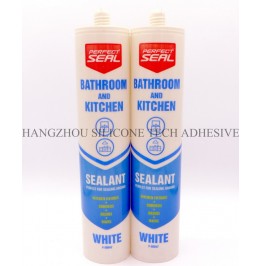
The quality of the sealant material is the cornerstone of its waterproofing performance. Different types of sealants have varying lifespans. For instance, high - grade polymer - based sealants, when applied correctly, can offer a waterproofing effect that lasts for 10 - 15 years. These sealants are formulated with advanced ingredients that enhance their durability, flexibility, and resistance to environmental factors.
On the other hand, lower - quality sealants, especially those containing recycled materials, may start to show signs of degradation within 5 years. They are more prone to cracking, peeling, and losing their adhesive properties, which can lead to water leakage. The key is to choose a sealant that meets industry standards and has a proven track record of long - term performance.
Even with the best - quality sealant, improper construction techniques can significantly shorten its waterproofing lifespan. One of the most crucial aspects is surface preparation. Before applying the sealant, the bathroom surfaces must be thoroughly cleaned, dried, and free from any dust, grease, or loose particles. If the surface is not properly prepared, the sealant may not adhere well, leading to gaps and potential water infiltration.
Another important construction detail is the application method. The sealant should be applied evenly and at the recommended thickness. For example, some sealants require multiple thin coats rather than a single thick layer. Applying the sealant in a cross - hatch pattern can also improve its coverage and adhesion. Additionally, special attention should be paid to areas such as corners, joints, and around fixtures, as these are common weak points for water leakage. Using appropriate reinforcement materials, like fiberglass mesh, in these areas can enhance the sealant's durability.
The bathroom environment is harsh, with constant exposure to water, humidity, and temperature changes. These environmental factors can accelerate the aging process of the sealant. High humidity levels can cause the sealant to absorb moisture, leading to swelling and eventual breakdown. Frequent temperature fluctuations can cause the sealant to expand and contract, which may result in cracks over time.
Moreover, the use of harsh cleaning chemicals in the bathroom can also damage the sealant. Some chemicals can react with the sealant's ingredients, causing discoloration, softening, or loss of adhesion. To minimize the impact of environmental conditions, it is advisable to maintain proper ventilation in the bathroom to reduce humidity levels. Also, choose mild, non - abrasive cleaning products and avoid using excessive force when cleaning around the sealed areas.
Regular inspections are essential for detecting potential problems early and preventing major water damage. It is recommended to inspect the bathroom sealant at least once a year. During the inspection, look for signs of cracking, peeling, discoloration, or mold growth. Pay close attention to areas around the shower, bathtub, sink, and toilet, as these are the most vulnerable spots.
If any minor cracks or gaps are found, they should be repaired immediately. Small cracks can be filled with a compatible sealant caulk, following the same application techniques as during the initial installation. For larger areas of damage, it may be necessary to remove the old sealant and reapply a new layer.
Proper cleaning is not only important for maintaining the appearance of the bathroom but also for preserving the integrity of the sealant. As mentioned earlier, avoid using harsh chemicals that can damage the sealant. Instead, opt for mild, pH - neutral cleaning solutions. When cleaning, use a soft cloth or sponge to avoid scratching the sealant surface.
After cleaning, make sure to dry the sealed areas thoroughly. Excess moisture can promote the growth of mold and mildew, which can deteriorate the sealant over time. Using a squeegee to remove water from the shower walls and bathtub after each use can also help reduce moisture buildup.
Plumbing problems, such as leaks from pipes or fixtures, can have a significant impact on the bathroom sealant. Even a small, hidden leak can cause water to accumulate behind the walls or under the floor, leading to moisture damage to the sealant. If any plumbing issues are suspected, such as a dripping faucet or a slow - draining sink, they should be addressed promptly by a qualified plumber.
Once the plumbing problem is fixed, the affected areas should be inspected for any damage to the sealant. If necessary, the sealant should be repaired or replaced to ensure continued waterproofing.
Copyright 2019 by Hangzhou Silicone Tech Adhesive Co., Ltd. All rights reserved.
Bathroom Sealant | Acrylic Sealant | Dow Corning 795 | Aquarium Sealant | Dow Corning 732 | Clear Silicone Sealant | Polysulfide Sealant | Glazing Sealant | Mirror Sealant | IG Sealant
Powered by Onepound


