E-mail:
sales@silicone-sealant-china.com

Single-component bathroom sealants are a popular choice for DIYers and professionals alike due to their ease of use and reliable performance. Unlike two-part systems, these sealants come ready to apply, requiring no mixing or special tools. When used correctly, they create a durable, waterproof barrier that prevents leaks and protects surfaces from moisture damage. Follow this guide to ensure flawless application and long-lasting results in your bathroom.
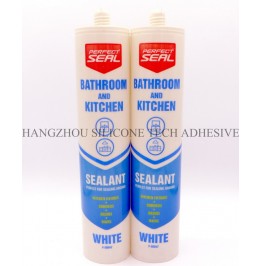
Proper surface preparation is critical for ensuring the sealant bonds securely and lasts. Skipping this step can lead to poor adhesion, cracking, or mold growth under the seal.
Start by removing any old sealant, dirt, or debris from the joint using a scraper or utility knife. For stubborn residue, a mild detergent and water solution can help, but avoid harsh chemicals that might leave a residue. Once clean, dry the area thoroughly with a clean cloth or paper towel. Moisture trapped beneath the sealant can prevent proper curing and weaken the bond.
Inspect the joint for cracks, gaps, or uneven surfaces. Fill small holes or depressions with a suitable filler and smooth it flush with the surrounding area. For larger gaps, consider using a backer rod—a flexible foam strip—to create a uniform base for the sealant. This helps control the depth of the seal and prevents excessive product use.
To achieve clean, professional-looking lines, apply painter’s tape along both edges of the joint. This protects tiles, countertops, or fixtures from accidental smears and makes cleanup easier. Press the tape firmly to ensure no sealant seeps underneath during application.
Once the surface is ready, it’s time to apply the sealant. Using the right technique ensures even coverage and a smooth finish.
Cut the tip of the sealant tube at a 45-degree angle using a sharp utility knife. The size of the opening should match the width of the joint—start small and adjust if needed. Pierce the inner seal with a long nail or wire, then load the tube into a caulk gun. Squeeze the trigger gently to prime the nozzle and ensure consistent flow.
Hold the caulk gun at a 45-degree angle to the joint and apply steady pressure to the trigger. Move the gun smoothly along the joint, maintaining a consistent speed to create an even bead. Avoid stopping and starting, as this can lead to uneven sections or air bubbles. If the bead breaks, release the trigger, reposition the gun, and resume applying.
Immediately after application, use a damp finger, caulk smoothing tool, or plastic spoon to smooth the sealant into the joint. Dip your tool in water or a mild soap solution to prevent sticking. Apply light pressure to press the sealant into the gap, creating a concave shape that sheds water. Wipe away excess with a clean cloth before it dries.
Allowing the sealant to cure properly ensures it reaches its full strength and waterproofing capabilities. Rushing this step can compromise performance.
Check the manufacturer’s instructions for recommended curing times, as they vary based on temperature and humidity. Typically, sealants feel tack-free within 24 hours but may take up to 7 days to fully cure. Avoid exposing the sealant to water or stress during this period. Keep the bathroom well-ventilated to accelerate drying.
Once cured, test the seal by lightly spraying water along the joint. Check for leaks or gaps where water might penetrate. If issues arise, remove the affected section and reapply the sealant following the same steps. For critical areas like shower corners, consider applying a second thin layer for added protection.
Regular inspections help extend the life of your sealant. Look for cracks, discoloration, or peeling, especially in high-traffic or high-moisture zones. Clean the sealant periodically with a mild detergent and soft brush to remove soap scum or mildew. Avoid abrasive cleaners or tools that might scratch the surface.
Even with careful application, problems can arise. Here’s how to address them quickly.
Air bubbles weaken the seal and create entry points for water. To prevent them, apply the sealant at a steady pace and avoid over-compressing the bead during smoothing. If bubbles appear, use a needle to puncture them, then smooth the area again. For severe cases, remove and reapply the sealant.
Inconsistent application can leave gaps or thin spots. If the sealant is still wet, use a damp tool to redistribute it and fill low areas. For dried sealant, carefully cut out the uneven section with a utility knife and reapply a fresh bead. Always blend the new sealant with the existing edges for a seamless finish.
If mold appears beneath or on the sealant, it’s likely due to excess moisture or poor ventilation. Clean the area with a mixture of water and vinegar or a mild bleach solution, then rinse thoroughly. Allow the joint to dry completely before reapplying sealant. Consider improving bathroom airflow with exhaust fans or dehumidifiers to prevent future issues.
By following these steps, you can achieve a professional-quality seal that protects your bathroom from leaks and moisture damage. Single-component sealants offer convenience without sacrificing performance, making them an excellent choice for both small repairs and full renovations.
Copyright 2019 by Hangzhou Silicone Tech Adhesive Co., Ltd. All rights reserved.
Bathroom Sealant | Acrylic Sealant | Dow Corning 795 | Aquarium Sealant | Dow Corning 732 | Clear Silicone Sealant | Polysulfide Sealant | Glazing Sealant | Mirror Sealant | IG Sealant
Powered by Onepound


