E-mail:
sales@silicone-sealant-china.com

There is a spot in almost every bathroom that nobody thinks about until it is too late — the inside corner where two walls meet. That narrow crevice collects water, traps steam, and becomes a breeding ground for black mold faster than you would believe. Once it sets in, scrubbing does not work. Bleach barely touches it. You are stuck staring at ugly dark streaks running down your corner like war paint.
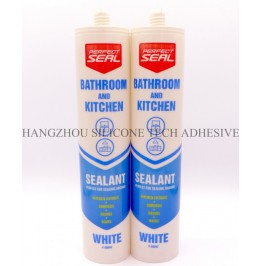
The fix is not complicated, but it has to be done right. One bad sealant job and you are back to square one within a few months.
Most people seal the obvious joints — around the tub, behind the toilet, along the sink edge. Smart. But the wall-to-wall inside corner? It gets ignored constantly.
Here is why that corner is such a problem. Water runs down the wall during showers, hits the corner, and has nowhere to go. It pools in that tight angle. The surfaces on both sides are usually tile or stone, which means grout lines feed even more moisture into the joint. Add daily steam from hot showers, and you have a permanently damp environment with zero airflow.
Mold does not need much to thrive. It needs moisture, organic material (soap scum, skin cells, dust — all present in bathrooms), and a surface to grab onto. That inside corner checks every single box.
The grout in the corner often goes first. It absorbs water, softens, and starts crumbling. Once the grout fails, the sealant you applied on top has nothing to hold onto, and the whole system collapses.
Standard silicone sealant is waterproof and flexible, which makes it a solid starting point for corner sealing. It handles constant moisture well and stays elastic over time, so it does not crack when the walls shift slightly.
But here is the catch: plain silicone does not kill mold. It resists it to some degree, but if spores are already present in the corner, they will grow right on the surface of the sealant, especially in the textured or matte finishes. You will see black dots appearing on the sealant itself, which looks terrible and defeats the whole purpose.
For inside corners specifically, you want a sealant with built-in mold-inhibiting properties. These formulations contain antimicrobial agents that actively prevent fungal growth on the sealant surface. They are not magic — they will not kill an existing infestation — but they stop new mold from taking hold, which is what you actually need for prevention.
Polyurethane sealants bond better than silicone to most surfaces, including painted drywall, which is common behind bathroom tiles. If your corner sits where painted wall meets tiled wall, silicone might not stick to the painted side, and you will get peeling within months.
Hybrid sealants combine the mold resistance of silicone with the adhesion strength of polyurethane. For a tricky inside corner where two different wall materials meet, hybrids are often the most reliable choice. They stay flexible, bond aggressively, and most formulations include antimicrobial additives.
Whatever you choose, make sure it is rated for continuous water exposure. Some sealants are labeled "water-resistant" but not "waterproof" — that distinction matters a lot in a shower corner.
This step is non-negotiable. If there is any old sealant left in the corner, even a thin film, the new sealant will not bond properly. It will sit on top of the old layer like paint on dust, and it will peel off within weeks.
Scrape out all old material with a plastic putty knife or a silicone removal tool. Get into the deepest part of the corner — that is where mold hides and where old sealant accumulates. If you see black mold, treat the area with a diluted bleach solution or white vinegar, let it sit for 15 minutes, scrub with an old toothbrush, and rinse thoroughly.
Dry the corner completely. Use a towel, then a hair dryer on low heat if needed. Moisture trapped in the joint will prevent adhesion and can cause the new sealant to fail from the inside out.
Tile and glazed stone usually do not need primer. But if one side of your corner is painted drywall, raw plaster, or unglazed ceramic, a primer coat will dramatically improve the sealant bond. Primer creates a chemical bridge between the sealant and the surface, especially on materials that silicone struggles to grip.
Apply the primer to both sides of the corner joint, let it dry according to the instructions, and then apply your sealant on top. Skipping primer on a painted wall is one of the most common reasons corner sealant fails.
If the gap between your walls in the corner is wider than about 6 millimeters, do not just fill it with sealant. Stuff a foam backer rod into the gap first, then apply sealant over the top.
The backer rod gives the sealant something to bond to and controls the depth of the bead. Without it, you end up using way too much sealant, it takes forever to cure, and the center of the bead never fully hardens. A backer rod also creates a concave shape that sheds water instead of trapping it.
Cut the backer rod to size, press it firmly into the joint, and then apply your sealant on top. The sealant should be flush with the wall surface or slightly recessed — never bulging out.
After running the bead of sealant into the corner, tool it with a wet finger or a small silicone tool. Press the sealant firmly into both wall surfaces, smoothing it into a clean line. The goal is to eliminate any air pockets and make sure the sealant is in full contact with both sides of the corner.
Wipe your finger or tool with a damp cloth between passes. A dry tool will grab the sealant and tear it instead of smoothing it. Work quickly — most sealants begin skinning over within 10 to 15 minutes, and once that happens, you cannot tool it properly anymore.
Even with the best sealant, bathrooms are tough environments. Steam, cleaning chemicals, and temperature swings all stress the sealant over time. Check your inside corner sealant at least every six months. Look for cracks, gaps, discoloration, or any sign of the sealant pulling away from either wall.
If you find a small gap, do not just add more sealant on top. Remove the old material from that section, clean it, reapply fresh sealant, and tool it smooth. Patching over a failed bond with new sealant just delays the inevitable.
When cleaning the corner, avoid scrubbing directly on the sealant line with anything abrasive. A soft cloth and mild cleaner are all you need. Harsh scrubbing can physically damage the sealant surface and create tiny cracks where moisture gets in.
One last thing: if your bathroom does not have a working exhaust fan, no amount of sealant will save that corner. Ventilation is the real secret to keeping mold at bay. Sealant handles the water that gets in. A fan keeps the moisture from building up in the first place. Use both, and your corners will stay clean for years.
Copyright 2019 by Hangzhou Silicone Tech Adhesive Co., Ltd. All rights reserved.
Bathroom Sealant | Acrylic Sealant | Dow Corning 795 | Aquarium Sealant | Dow Corning 732 | Clear Silicone Sealant | Polysulfide Sealant | Glazing Sealant | Mirror Sealant | IG Sealant
Powered by Onepound


