E-mail:
sales@silicone-sealant-china.com

You put in those beautiful frameless glass shower doors. They look incredible—clean lines, modern look, all that. But there is a gap between the glass and the fixed panel or the jamb that nobody talks about during installation. That gap is maybe 2mm, maybe 4mm wide. It looks harmless. It is not harmless.
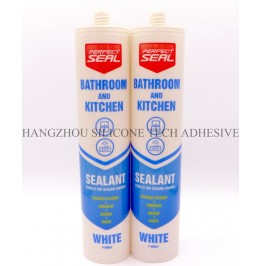
Water finds that gap. Every single shower, water pressure pushes moisture into that space. It runs down behind the glass, soaks into the wall cavity, and eventually shows up as peeling paint, bubbling drywall, or that unmistakable smell of wet rot in the hallway outside the bathroom.
Most installers slap a quick bead of sealant around the edge and move on. That bead fails because the gap geometry is wrong, the surfaces are not prepped, and the sealant was never designed for a joint that opens and closes every time someone uses the shower.
Filling the gap between glass doors requires a completely different approach than sealing a static joint. The glass moves. The gap changes width. The sealant has to flex every single day and still keep water out.
A shower door is not a fixed wall. Every time you open and close it, the gap between the swinging door and the fixed panel changes. When the door is closed, the gap is tight—maybe 1mm. When the door swings open, that same gap widens to 6mm or more.
Most sealants are applied for a static gap width. They cure in one position and stay that way. When the door moves and the gap widens, the cured sealant either stretches and cracks or pulls away from one surface entirely. When the gap narrows again, the sealant compresses and bulges. This daily cycle of stretching and compressing destroys most sealants within six months.
The solution is not a stiffer sealant. Stiffer sealant cracks faster under movement. The solution is a flexible sealant applied in a way that accommodates the changing gap width without losing adhesion on either surface.
Shower door gaps get hit by water from two directions. From the inside, shower spray pushes water into the gap. From the outside, condensation and ambient humidity push moisture in the other direction. The sealant has to resist pressure from both sides simultaneously.
A single bead of sealant on one side of the glass only blocks pressure from that side. Water from the other side finds the unblocked edge and works its way in. This is why door gaps leak even when they look sealed—the sealant is only doing half the job.
You need to seal both sides of the glass edge at the gap. Or better yet, use a gasket system that wraps around the glass edge and seals from both directions at once.
Glass is not as clean as it looks. Shower glass has a permanent film of soap scum, hard water deposits, and body oils that no amount of wiping removes with just water. That film prevents sealant from bonding to the glass surface.
Wipe the glass edge in the gap area with isopropyl alcohol on a lint-free cloth. Use a fresh cloth for each wipe—don't reuse a dirty one because you will just smear the oils around. Wipe in one direction only, not back and forth.
After wiping, let the glass dry completely. Any moisture left on the surface creates a barrier between the glass and the sealant. The sealant bonds to the contamination layer instead of the glass itself. When that layer fails—which it will—the sealant peels off taking a thin film of glass coating with it.
Check the edge of the glass where it meets the gap. If there are any chips, nicks, or rough spots, sand them lightly with 400-grit wet sandpaper. A rough edge gives the sealant more surface area to grip. A perfectly smooth glass edge is actually harder to bond to than a slightly textured one.
Before you buy anything or squeeze a single drop, measure the gap. Close the door fully and measure the space between the glass edge and the fixed panel or jamb at the top, middle, and bottom.
If the gap is consistent—the same width from top to bottom—you can use a standard backer rod and sealant approach. If the gap varies—wider at the bottom where water pools, narrower at the top—you need a more flexible filler that can handle the variation.
Also check the depth of the gap. How far back does the space go behind the glass edge? If it is shallow—under 3mm—a single bead of sealant might fill it. If it is deeper—5mm or more—you need a backer rod to control depth and prevent the sealant from curing against itself on the back side.
Measuring the gap takes two minutes and saves you from guessing wrong and wasting material.
Forget rigid sealant for this job. Any sealant that does not move with the glass will crack within weeks. You need something with at least 35% elongation—preferably 50% or more.
Silicone sealants work well for glass gaps because they bond to glass naturally and stay flexible for years. But not all silicones are equal. Look for a neutral-cure formulation—acetic cure silicones smell like vinegar and can corrode metal hardware over time. Neutral cure is safer around door hinges, handles, and metal jambs.
Polyurethane-based sealants are even better for moving joints. They bond to glass, metal, and stone, and they handle repeated flexing without cracking. The downside is they are harder to tool and they yellow over time if exposed to UV light. For an interior shower door gap, yellowing is not a concern.
If you want the most reliable solution for a door gap, consider a magnetic gasket instead of sealant. These are thin flexible strips with a magnetic core that sticks to the metal frame and seals against the glass edge when the door closes.
The gasket compresses when the door shuts, creating a watertight seal. When the door opens, the gasket flexes and returns to its original shape. It handles thousands of open-close cycles without degrading.
Magnetic gaskets do not require curing time, do not need surface prep beyond cleaning, and do not fail from movement. The only downside is they cost more than a tube of sealant and require precise installation. But for a door gap that moves every day, they outperform sealant every time.
If you are using sealant instead of a gasket, start with a backer rod. Cut a piece of closed-cell polyethylene foam rod to fit the gap depth. Push it into the gap so it sits flush with the glass edge on the shower side.
The rod should be a tight fit—snug enough that it does not fall out when you tilt the glass, but not so tight that it compresses the foam. Compressed foam loses its springiness and does not create a proper bond-break at the back of the joint.
For gaps that vary in width—wider at the bottom—cut the rod in segments. Shorter pieces at the top where the gap is narrow, longer pieces at the bottom where it is wide. This keeps the sealant depth consistent along the entire length of the gap.
Load the sealant into a caulking gun and run a thin bead along the gap on the shower side—the side where water pressure comes from. Press the bead firmly into the joint against the backer rod and the glass edge.
Use a wet finger or a small silicone tool to press the sealant into the gap. Move steadily from top to bottom without stopping. If the gap is wide at the bottom, apply slightly more material there—the weight of water is highest at the bottom and the sealant needs extra thickness to resist being pushed out.
Do not tool this first bead perfectly. You just need to get sealant into the gap and bonded to both surfaces. The final shaping comes in the second pass.
Let this first bead skin over for 15 to 20 minutes. It should feel firm to the touch but still slightly tacky. If it feels completely dry, the second bead will not bond to it. If it is still wet, the second bead will mix with the first and you lose the layered structure.
Apply the second bead over the first one. This pass builds the final profile. Tool it into a concave shape—pressed deep into the gap at the bottom, tapering to a thin line at the top.
The concave shape is not cosmetic—it is functional. It directs water down and away from the joint. Water runs along the curve and sheds off the surface instead of sitting in a film against the sealant. A flat or convex bead traps water and accelerates mold growth.
At the top of the gap where the door swings, tool the bead thinner. The gap widens when the door opens, so a thick bead at the top gets stretched and cracks. A thin bead at the top flexes without breaking.
At the bottom where the gap is tightest, tool the bead thicker and press it firmly. This is the primary water defense point. Maximum contact area here means maximum resistance to water pressure.
Most people seal only the shower side of the glass edge. That blocks water from the inside but leaves the outside exposed. Condensation, humidity, and splashes from the outside push moisture into the gap from the other direction.
Water from the outside hits the unblocked edge of the sealant and works its way behind it. The sealant looks fine from the inside but is failing from the outside. This is why door gaps leak even after they have been resealed multiple times—the installer keeps sealing the wrong side.
Flip to the outside of the glass door—the dry side of the bathroom. Apply a thin bead of sealant along the same gap. This bead does not need to be as thick as the inside bead because there is no water pressure pushing against it. A thin film is enough to block moisture and condensation.
Press the outside bead into the gap and tool it flush with the glass surface. It should be barely visible—just enough to fill the space and create a barrier. Do not make it thick on this side. A thick outside bead looks bad and collects dust.
The combination of a thick concave bead on the inside and a thin flush bead on the outside creates a complete seal that resists pressure from both directions.
Do not open and close the door for at least 24 hours after sealing. Ideally 48. The sealant needs full cure time before any movement stresses the joint.
I know this is annoying—you just finished the bathroom and want to use it. Tape the door shut if you have to. Prop a piece of wood against the handle to keep it closed. Every time you swing the door before the sealant cures, you create micro-tears in the bead that become leak paths later.
During the cure period, keep the bathroom warm and ventilated. A fan on low helps remove volatile byproducts. Temperature below 15°C extends cure time significantly—double it at 10°C compared to 20°C.
After 48 hours, close the door and run the shower on full blast for 30 minutes. Use the hottest water you normally would—this expands the glass and widens the gap, which is the worst-case scenario for the seal.
After the shower, open the door and check the gap. Look for water on the dry side of the glass. Run a dry paper towel along the outside edge of the gap—if it comes back wet, water is getting through.
Also check the floor outside the shower. If there is water pooling near the door threshold, the bottom seal has failed. The bottom of the gap takes the most abuse—water pressure, foot traffic, door swing—and it is where leaks start.
If water gets through, clean the area, strip the failed sealant, and reapply. Do not patch over it. Patching a failed door gap seal is throwing money into a hole that keeps growing.
The gap between glass doors collects soap scum, toothpaste splatter, and body oils—especially if the shower is also used for shaving. That gunk builds up on the sealant surface and traps moisture against it.
Wipe the gap with warm water and mild soap once a week. Use a soft cloth or a cotton swab for tight spaces. For buildup, spray with diluted white vinegar, let it sit for five minutes, wipe, and dry.
Do not use glass cleaner with ammonia on the sealant. Ammonia degrades silicone and polyurethane over time. Stick to soap and water or diluted vinegar.
Dry the gap after every shower if possible. A quick squeegee pass along the glass edge takes ten seconds and removes the water film that mold needs.
Inspect the gap seal every month. Look for cracks, gaps, softening, or discoloration. If the bead feels spongy or pulls away from the glass when you press it, the seal is failing.
Glass door gap seals typically last two to three years before they need replacement. That is shorter than wall seals because of the constant movement. Plan for it. Mark your calendar for two years from installation and check the gap then.
When the seal does fail, strip it completely—both sides. Use a thin putty knife to remove every trace. Clean the glass edge and the jamb with solvent. Reapply backer rod if needed, then reseal both sides following the same two-pass method.
The gap between your shower doors is the most dynamic joint in the bathroom. It opens, closes, widens, narrows, heats up, cools down—every single day. A sealant that works on a static wall joint will not survive there. You need flexible material, proper depth control, concave tooling, and patience during cure.
Get those four things right and the gap stays dry for years. Skip any one of them and you are resealing every six months while water eats the wall behind your beautiful glass doors.
Copyright 2019 by Hangzhou Silicone Tech Adhesive Co., Ltd. All rights reserved.
Bathroom Sealant | Acrylic Sealant | Dow Corning 795 | Aquarium Sealant | Dow Corning 732 | Clear Silicone Sealant | Polysulfide Sealant | Glazing Sealant | Mirror Sealant | IG Sealant
Powered by Onepound


