E-mail:
sales@silicone-sealant-china.com

That mirror cabinet hanging above your bathroom sink looks simple enough. A few screws into the wall, some adhesive on the back, done. Except it is not done. Not really. The frame sits against a wall that gets hit with steam every single morning. The back of the cabinet traps moisture between itself and the drywall. And somewhere along the line, the sealant holding the frame edges together starts to fail — the mirror shifts, the frame lifts, or water creeps in behind the cabinet and rots the wall from the inside out.
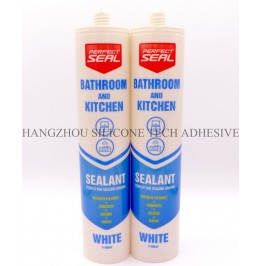
Most people do not think about sealing a mirror cabinet frame until it is already falling off the wall or growing black mold along the edges. By then, the damage is done. Getting it right from the start takes maybe ten extra minutes and saves you a headache down the road.
A mirror cabinet is not just a decorative piece. It sits in one of the wettest zones in your bathroom — right above the sink, directly in the path of steam from hot showers and boiling water from the faucet. The back of the cabinet presses against the wall, and that contact point is where moisture loves to hide.
Without sealant along the frame edges, water seeps into the gap between the cabinet back and the wall. It gets trapped there because there is no airflow. The drywall absorbs it, softens, and starts to crumble. You might not notice until the cabinet feels loose or you see water stains on the ceiling below.
The frame itself is another weak point. Most mirror cabinets are held together with adhesive and a few mechanical fasteners. The adhesive degrades over time when exposed to heat and humidity. The sealant along the frame edges acts as a secondary bond — it keeps the frame tight even when the original adhesive starts to give way.
For the edges of a mirror cabinet frame, silicone sealant is hard to beat. It bonds well to glass, metal, wood, and most painted surfaces. It stays flexible for years, which matters because bathroom temperatures swing wildly — hot steam one minute, cold air the next. That flex keeps the seal from cracking.
Neutral-cure silicone is the better choice here. It does not smell like vinegar, it does not corrode metal frame hardware, and it bonds reliably to painted walls, which is what most bathroom walls are. Acetoxy silicone works fine on glass and tile, but it can damage metal frame components and painted surfaces over time.
Make sure the silicone you pick is rated for indoor use with continuous moisture exposure. Bathroom-grade silicone handles steam and splashing water without breaking down. Do not use outdoor-grade sealant on a mirror cabinet — it is overkill and often does not bond as well to indoor surfaces.
If your mirror cabinet has a wooden frame, polyurethane sealant might outperform silicone. Wood expands and contracts with humidity changes, and polyurethane bonds more aggressively to wood than silicone does. It also resists abrasion better, which matters if the frame gets bumped or cleaned roughly.
Hybrid sealants are another option worth considering. They combine the flexibility of silicone with the adhesion strength of polyurethane. For a frame that sits against a painted wall and needs to stay bonded to both the frame material and the wall surface, hybrids give you the best of both worlds.
Skip acrylic latex caulk entirely. It is not waterproof, it shrinks as it dries, and it will pull away from the frame within months. It belongs on dry interior trim, not on a bathroom mirror cabinet.
This step sounds basic, but skipping it is the most common reason frame sealant fails. Soap residue, dust, old adhesive, and finger oils all prevent the sealant from bonding. Even a thin film of soap scum on the wall behind the cabinet is enough to cause the sealant to lift within weeks.
Wipe the back of the cabinet frame, the wall surface it sits against, and all the edges where sealant will go. Use isopropyl alcohol — not soapy water. It cuts through grease, evaporates completely, and leaves a perfectly clean surface for bonding. Let everything dry for at least 20 minutes before you apply anything.
If there is old sealant or adhesive residue on the frame edges, scrape it off completely. A plastic putty knife works fine. Any leftover material creates a weak layer, and the new sealant will sit on top of it instead of bonding to the actual frame.
Before you seal anything, take the cabinet down and look at the wall behind it. If the drywall is soft, discolored, or crumbling, you have a moisture problem that sealant alone cannot fix. The wall needs to be repaired or replaced before you rehang the cabinet.
If the wall looks fine but feels slightly damp, let it dry completely. Use a towel, then a hair dryer on low heat if needed. Sealing over a damp wall traps moisture behind the cabinet and makes the problem worse.
Most people only think about sealing the bottom edge of the cabinet where it meets the wall. That is the most obvious spot, but it is not the only one that matters.
Water can get in from the top, the sides, and the back. Any gap between the frame and the wall is a potential entry point for moisture. Run a thin bead of sealant along every edge where the frame contacts the wall — top, bottom, left, right, and the back perimeter if you can reach it.
A continuous bead around the entire frame gives you full protection. Spot-sealing one or two edges leaves the rest exposed, and water will find those gaps eventually.
If the gap between the cabinet frame and the wall is very narrow — under 4 millimeters — you can apply sealant directly. But if the gap is wider, stuff a thin foam backer rod into the joint first.
The backer rod controls the depth of the sealant bead and gives it something to bond to. Without it, you end up using too much sealant, it takes forever to cure, and the center of the bead stays soft for days. A backer rod also creates a slightly concave shape that helps direct any moisture away from the joint instead of trapping it.
Cut the rod to length, press it firmly into the gap so it sits flush with the wall surface, and then apply your sealant on top.
Do not try to fill the entire gap in one thick bead. Apply a thin layer — no more than 3 to 5 millimeters deep — smooth it, let it cure for 24 hours, then add a second layer if needed. Thin layers cure evenly, bond better, and stay flexible longer than one thick glob that never hardens properly.
After applying each layer, tool the sealant into a smooth, even line using a wet finger or a small sealant tool. Press it firmly into both the frame and the wall to eliminate air pockets. Wipe your tool with a damp cloth between passes. Work quickly — most sealants begin skinning over within 10 to 15 minutes, and once that happens, you cannot smooth it properly.
Frameless cabinets look clean and modern, but they are actually harder to seal because there is no frame edge to run a bead along. The mirror sits directly against the wall, and the sealant has to go around the perimeter of the glass itself.
Use a clear or color-matched silicone that will not show against the mirror edge. Apply a thin bead around the entire back perimeter where the glass meets the wall. Be careful not to get sealant on the front surface of the mirror — it is extremely difficult to remove once it cures.
The adhesive holding a frameless mirror to the wall degrades faster than you would expect in a bathroom. The sealant around the perimeter acts as a backup bond. If the adhesive fails, the sealant keeps the mirror from falling.
Wood frames expand and contract with humidity, which puts constant stress on any sealant bonded to them. Use a high-movement silicone or a polyurethane sealant that can stretch without cracking.
Prime the wood edges before sealing. A wood primer creates a better bonding surface and prevents the sealant from pulling away as the wood moves. Apply the primer, let it dry, then run your sealant bead along every edge where the frame meets the wall.
Check wooden frame cabinets more often — every three to four months. Wood absorbs moisture faster than metal or plastic, and the sealant around the edges degrades quicker as a result.
Metal frames are durable, but they conduct temperature changes quickly. A cold metal frame in a hot, steamy bathroom creates condensation right at the joint. That moisture sits against the sealant and accelerates breakdown.
Use a neutral-cure silicone with antimicrobial properties. It bonds well to metal, resists condensation damage, and prevents mold from growing on the sealant surface. Prime the metal edges with a metal primer if the sealant manufacturer recommends it — it makes a noticeable difference in long-term adhesion.
Even a well-applied sealant has a lifespan. In a bathroom environment, most frame sealants last between two and four years before they start losing flexibility. After that, you will notice small cracks forming along the bead, or the sealant will begin to pull away from the frame or wall.
Do not ignore early signs of failure. A small crack today becomes a gaping gap next month, and water gets in fast. When you see the first sign of trouble, remove the old sealant completely, clean the surfaces, reprime if needed, and reapply fresh sealant in thin layers.
One thing that helps sealant last longer: keep the bathroom ventilated. An exhaust fan removes moisture before it has a chance to settle on the cabinet frame and attack the sealant. Sealant handles the water that gets in. A fan keeps the moisture from building up in the first place. Together, they keep your mirror cabinet locked in place and mold-free for years.
Copyright 2019 by Hangzhou Silicone Tech Adhesive Co., Ltd. All rights reserved.
Bathroom Sealant | Acrylic Sealant | Dow Corning 795 | Aquarium Sealant | Dow Corning 732 | Clear Silicone Sealant | Polysulfide Sealant | Glazing Sealant | Mirror Sealant | IG Sealant
Powered by Onepound


