E-mail:
sales@silicone-sealant-china.com

That floor drain in your bathroom is the one spot where water is supposed to go down. But if the sealant around its edge is cracked, peeling, or missing entirely, water does the opposite — it goes sideways, under the tile, behind the waterproof membrane, and into your subfloor. By the time you notice a soft spot or a musty smell, the damage has already spread.
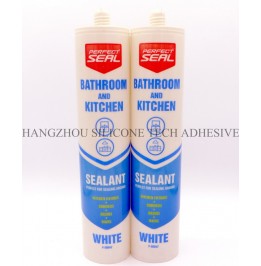
Sealing a floor drain properly is not glamorous work. It is messy, it requires patience, and most people get it wrong the first time. But doing it right saves you from ripped-out tiles, rotted joists, and a repair bill that makes your eyes water.
Everything in a bathroom floor is designed to move water toward the drain. Tiles slope slightly, grout channels water, and the drain sits at the lowest point. So logically, the drain should be the driest spot in the room.
Except it is not.
The drain rim sits slightly above or flush with the tile surface. That tiny lip creates a ledge where water pools instead of flowing away. Every time you shower, bath, or even wash your hands, water hits that ledge, sits there, and slowly finds its way under the sealant if the bond is weak.
The drain also vibrates. Every time water rushes through it, the grate shifts slightly. That micro-movement is enough to crack a rigid sealant over time. Add thermal expansion from hot water, cleaning chemical exposure, and foot traffic, and you have a joint that is under constant stress.
Most floor drain leaks do not happen because of a bad drain. They happen because the sealant around the edge failed.
Silicone sealant is the most common choice for drain edge sealing, and for good reason. It is fully waterproof, stays flexible for years, and handles constant water exposure without degrading.
But not every silicone works the same way. Acetoxy silicone cures fast and gives off a vinegar smell. It bonds well to metal drain bodies and glazed tile. The downside is it can corrode some metals over time and does not stick well to plastic or PVC drain components.
Neutral-cure silicone has no smell, bonds better to plastic and PVC, and is gentler on metal surfaces. For most modern bathroom drains — which often have plastic or composite bodies — neutral-cure silicone is the safer bet.
Whatever you choose, make sure it is rated for continuous submersion. Some sealants say "water-resistant" on the label, which means they can handle a splash but not constant standing water. A floor drain lives in standing water. You need a sealant that is fully waterproof, not just water-resistant.
If your drain sits in a high-traffic area — right next to the shower entrance, for example — polyurethane sealant might outperform silicone. It bonds more aggressively to tile and metal, resists abrasion better, and handles physical stress from foot traffic more effectively.
Hybrid sealants combine the waterproof flexibility of silicone with the adhesion strength of polyurethane. For a drain edge that needs to stick to both the tile and the metal drain body while staying elastic under constant movement, hybrids are a strong option.
Avoid acrylic latex caulk around floor drains completely. It is not waterproof, it shrinks as it dries, and it will pull away from the drain rim within weeks. It belongs in dry interior joints, not in your shower floor.
This is the step that separates a seal job that lasts five years from one that fails in five months. If there is any old sealant left around the drain rim — even a thin film — the new sealant will not bond to the actual surface. It will bond to the old sealant, and the old sealant will peel off, taking the new stuff with it.
Scrape everything off. Use a plastic putty knife or a silicone removal tool. Get into every groove, every corner of the drain rim. If the old sealant is stubborn, soak it with isopropyl alcohol for 10 minutes to soften it, then scrape again.
If you see black mold or mildew in the joint it before you seal. A diluted bleach solution or white vinegar works fine. Scrub it out with an old toothbrush, rinse thoroughly, and let it dry completely.
Soap residue is the enemy of sealant adhesion. If you wipe the drain rim with soapy water, you leave a thin film of surfactant behind that prevents the sealant from gripping the surface.
Use isopropyl alcohol instead. It cuts through grease, removes soap scum, evaporates completely, and leaves a perfectly clean surface for bonding. Wipe the entire drain rim and the surrounding tile, then let it air dry for at least 20 minutes before you apply anything.
Most glazed tile does not need primer. But if your drain sits on an unglazed tile, natural stone, or a composite floor surface, a primer coat will make a huge difference. Primer creates a chemical bond between the sealant and the surface, especially on materials that silicone struggles to grip.
Metal drain bodies — especially stainless steel or brushed nickel — also benefit from a metal primer. It prevents oxidation from interfering with the sealant bond and gives the sealant something solid to hold onto.
If the gap between the drain rim and the tile is narrow — under 5 millimeters — you can fill it directly with sealant. But if the gap is wider, stuff a foam backer rod into the joint first.
The backer rod controls the depth of the sealant bead and gives it something to bond to. Without it, you end up using too much sealant, it takes forever to cure, and the center of the bead stays soft for days. A backer rod also creates a concave shape that sheds water away from the drain instead of trapping it against the rim.
Cut the backer rod to length, press it firmly into the gap so it sits flush with the tile surface, and then apply your sealant on top.
A thick bead of sealant around a drain rim looks like you are trying to fill a pothole. It will not cure properly, it will crack, and it will peel.
Apply the sealant in thin layers — no more than 5 millimeters deep per layer. Let each layer cure for at least 24 hours before adding the next. Thin layers cure evenly, bond better, and stay flexible for years. Two thin layers are always stronger than one thick glob.
After applying the sealant, tool it into a smooth ring that slopes slightly away from the drain rim. Use a wet finger or a small silicone tool and press the sealant firmly into both the drain rim and the tile surface. The goal is full contact all the way around — no gaps, no air pockets.
The concave shape is important. It directs water toward the drain opening instead of letting it pool against the sealant line. A flat or convex bead traps water, and trapped water eventually finds a way under the sealant.
Wipe your tool with a damp cloth between passes. Work quickly — most sealants begin skinning over within 10 to 15 minutes, and once that happens, you cannot tool it properly anymore.
Applying sealant over a wet surface is the number one killer of drain edge seals. Even if the floor looks dry, moisture can be trapped in the grout or under the tile. Wait until everything is completely dry. A hair dryer on low heat can speed things up, but do not rush it.
Another frequent error is not sealing all the way around the drain rim. Some people only seal the visible side and skip the back edge where the drain meets the waterproof membrane. Water does not care which side of the drain it comes from. It will find any unsealed gap and get under the floor.
Also, do not step on or clean the sealant before it fully cures. Most sealants need 24 to 48 hours to cure completely. Touching it early, running water over it, or cleaning it with harsh chemicals can permanently deform the bond.
Bathroom floors take a beating. Standing water, cleaning chemicals, foot traffic, and temperature swings all wear down sealant over time. Check your drain edge sealant at least every six months. Run your finger along the joint and feel for any cracks, gaps, or rough spots.
If you find a small gap, do not just add more sealant on top. Remove the old material from that section, clean it, reapply fresh sealant in thin layers, and tool it smooth. Patching over a failed bond with new sealant just delays the inevitable.
When cleaning around the drain, avoid pouring harsh chemicals directly onto the sealant line. Bleach, ammonia, and strong acids can break down silicone over time. Use mild soap and water instead, and keep abrasive scrubbers away from the drain rim.
One more thing worth mentioning: if water is pooling around your drain instead of flowing into it, the problem might not be the sealant. The floor slope could be wrong, or the drain could be partially clogged. Fix the drainage issue first, then seal the edge. A perfect seal on a poorly sloping floor is still going to leak eventually.
Copyright 2019 by Hangzhou Silicone Tech Adhesive Co., Ltd. All rights reserved.
Bathroom Sealant | Acrylic Sealant | Dow Corning 795 | Aquarium Sealant | Dow Corning 732 | Clear Silicone Sealant | Polysulfide Sealant | Glazing Sealant | Mirror Sealant | IG Sealant
Powered by Onepound


