Mold prevention measures after the bathroom sealant has cured
Feb 05,2026 | Views: 580
Effective Anti-Mold Strategies for Cured Bathroom Sealants
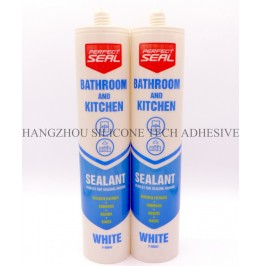
Bathroom sealants, while essential for preventing water damage, are prone to mold growth due to constant exposure to moisture and humidity. Once cured, these materials require proactive maintenance to inhibit fungal development. Below are practical methods to keep bathroom sealants mold-free without relying on harsh chemicals or temporary fixes.
Understanding Mold Growth on Sealants
Mold thrives in damp, warm environments with organic material to feed on. Cured sealants, especially silicone-based varieties, often develop microscopic cracks or retain soap scum, providing ideal conditions for spores to settle.
-
Surface Texture: Porous or rough sealant surfaces trap moisture and debris, accelerating mold colonization. Smooth, well-applied sealants resist buildup more effectively.
-
Environmental Factors: High humidity, poor ventilation, and inconsistent cleaning routines create persistent dampness, encouraging mold regrowth even after treatment.
-
Organic Residues: Soap, shampoo, and body oils leave residues on sealants, serving as nutrients for mold. Regular removal of these substances is critical.
Daily Maintenance to Prevent Mold Buildup
Consistent cleaning habits disrupt mold’s life cycle by eliminating moisture and food sources before spores can multiply.
-
Drying Surfaces After Use: After showers or baths, wipe down sealants with a clean, dry cloth or squeegee to remove excess water. Pay attention to corners and joints where water collects.
-
Weekly Cleaning Routine: Use a mild, pH-neutral cleaner and a soft-bristled brush to scrub sealants gently. Avoid abrasive tools that could scratch the surface and create hiding spots for mold.
-
Vinegar Solution for Mild Cases: Mix equal parts white vinegar and water in a spray bottle. Apply to sealants, let sit for 10–15 minutes, then rinse and dry. Vinegar’s acidity disrupts mold growth without damaging most sealants.
Enhancing Ventilation to Reduce Humidity
Improving airflow in the bathroom lowers humidity levels, making it harder for mold to establish itself on cured sealants.
-
Exhaust Fans: Run bathroom exhaust fans during and after showers for at least 20–30 minutes to expel moist air. Ensure fans are vented outdoors, not into attics or crawl spaces.
-
Open Windows and Doors: If possible, leave windows or bathroom doors open after use to allow fresh air to circulate. Use a portable fan to accelerate drying in enclosed spaces.
-
Dehumidifiers: In persistently humid climates, use a dehumidifier to maintain indoor humidity below 60%. Empty the water reservoir regularly to prevent bacterial growth.
Addressing Early Signs of Mold
Prompt action at the first sight of mold prevents spread and reduces the need for aggressive treatments.
-
Spot Treatment with Hydrogen Peroxide: For small mold patches, apply 3% hydrogen peroxide directly to the affected area. Let it bubble for 5–10 minutes, then scrub gently and rinse.
-
Baking Soda Paste for Stubborn Stains: Mix baking soda with water to form a thick paste. Apply to moldy sealants, let dry, then scrub off with a brush. Baking soda absorbs odors and inhibits future growth.
-
Avoid Bleach for Long-Term Solutions: While bleach kills surface mold, it doesn’t penetrate porous sealants and can damage the material over time. Reserve it for non-porous surfaces like tiles.
Long-Term Sealant Care and Inspection
Regular checks and minor repairs extend the lifespan of cured sealants and prevent mold-friendly conditions from developing.
-
Monthly Inspections: Examine sealants for cracks, peeling, or discoloration. Address issues immediately by recaulking damaged sections to maintain a watertight barrier.
-
Reapplying Sealant When Necessary: Over time, sealants degrade due to wear and tear. Remove old, mold-prone sealant and apply a fresh bead, ensuring smooth, even coverage without gaps.
-
Sealing Grout Lines: Mold often spreads from grout to adjacent sealants. Seal grout lines with a waterproof grout sealer to create an additional layer of protection.
Conclusion
Maintaining mold-free bathroom sealants requires a combination of proactive cleaning, humidity control, and timely repairs. By understanding the conditions that foster mold growth and implementing daily habits to disrupt them, homeowners can preserve the integrity of cured sealants without resorting to toxic products. Consistent effort in these areas ensures a hygienic, visually appealing bathroom environment for years to come.
Prev: Attention: Expansion rate of sealant when immersed in water for a long time
Next: Environmental treatment of leftover materials after sealant application


