Attention: Expansion rate of sealant when immersed in water for a long time
Feb 05,2026 | Views: 339
Key Considerations for Long-Term Water Swelling Rates of Sealants
Sealants exposed to prolonged immersion in water must maintain structural integrity and performance to prevent leaks, degradation, or failure. Understanding how water absorption affects sealants over time is critical for applications like pools, aquariums, or underwater infrastructure. Below are essential factors to evaluate when assessing long-term swelling behavior.
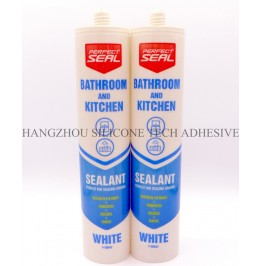
Material Composition and Swelling Mechanisms
The chemical makeup of a sealant determines its susceptibility to water absorption and swelling. Different formulations react uniquely to prolonged exposure.
-
Polymer Type: Hydrophilic polymers, such as certain acrylics or polyurethanes, absorb water more readily than hydrophobic alternatives like silicone. This absorption can lead to dimensional changes, reduced adhesion, or softening.
-
Fillers and Additives: Inorganic fillers like calcium carbonate or silica may reduce swelling by occupying space within the polymer matrix. Conversely, plasticizers or solvents can increase water uptake by creating voids or loosening molecular bonds.
-
Crosslinking Density: Highly crosslinked sealants resist swelling better than those with low crosslinking, as tighter molecular networks limit water penetration. Curing conditions, such as temperature or humidity, influence crosslinking density.
Environmental Factors Influencing Swelling Rates
External conditions play a significant role in how sealants behave under sustained immersion. Variations in water chemistry, temperature, and pressure accelerate or mitigate swelling.
-
Water Temperature: Elevated temperatures increase kinetic energy, allowing water molecules to penetrate sealants faster. This can lead to rapid swelling in hot tubs, industrial cooling systems, or geothermal applications.
-
Water Chemistry: Chlorine, salt, or acidic/alkaline compounds in water may react with sealant components, altering swelling behavior. For example, chlorine can degrade certain polymers, while saltwater may accelerate corrosion of metal fillers.
-
Hydrostatic Pressure: Deep-water applications, such as dam seals or submarine hulls, experience higher pressure, forcing water deeper into the sealant. This intensifies swelling and requires materials with low compression set properties.
Testing and Certification for Water Immersion
Rigorous testing ensures sealants meet performance standards for long-term water exposure. Certifications provide assurance of reliability in specific environments.
-
ASTM or ISO Standards: Look for sealants tested under protocols like ASTM C731 (for acrylic latex sealants) or ISO 11600 (for building sealants). These tests simulate prolonged immersion to measure swelling, adhesion loss, or cracking.
-
Accelerated Aging Tests: Labs use heated water or UV exposure to simulate years of use in weeks. Results reveal how a sealant’s swelling rate changes over time, helping predict lifespan.
-
Real-World Validation: Case studies or field trials in environments similar to the intended application offer practical insights. For example, a sealant used in marine settings should demonstrate stability in saltwater over decades.
Design and Installation Practices to Mitigate Swelling
Proper design and application minimize the impact of water absorption on sealant performance.
-
Joint Geometry: Wider joints with deeper sealant beads allow for swelling without compromising adhesion. Avoid sharp corners where stress concentrates, leading to cracking.
-
Backing Materials: Use closed-cell foam or other non-absorbent backer rods to control sealant depth and prevent three-sided adhesion, which can trap water and exacerbate swelling.
-
Surface Preparation: Clean and dry substrates thoroughly before application to ensure strong adhesion. Poor bonding creates pathways for water ingress, accelerating swelling at the interface.
Monitoring and Maintenance for Swelling-Related Issues
Regular inspections and maintenance address swelling-induced problems before they escalate.
-
Visual Checks: Look for bulging, cracking, or discoloration, which indicate excessive swelling or degradation. Pay attention to joints in high-pressure or high-temperature zones.
-
Dimensional Measurements: Use calipers or laser tools to track changes in sealant thickness or width over time. Sudden increases may signal impending failure.
-
Reapplication Timelines: Plan for periodic sealant replacement based on testing data or historical performance. Early recaulking prevents leaks caused by irreversible swelling or adhesion loss.
Conclusion
Selecting and managing sealants for long-term water immersion requires a holistic approach, considering material science, environmental conditions, and application techniques. By prioritizing low-swelling formulations, adhering to testing standards, and implementing proactive maintenance, professionals can ensure durable, watertight seals in even the most challenging aquatic environments. Continuous monitoring and adaptation to evolving conditions further enhance reliability and safety.
Prev: The influence of temperature changes on the elasticity of sealants
Next: Mold prevention measures after the bathroom sealant has cured


