Environmental treatment of leftover materials after sealant application
Feb 05,2026 | Views: 302
Eco-Friendly Disposal Methods for Leftover Sealant Materials After Application
Proper disposal of unused sealant materials is critical to minimizing environmental harm and complying with waste management regulations. Improper handling can lead to soil contamination, water pollution, or health risks for waste handlers. Below are actionable strategies to ensure eco-conscious disposal of surplus sealants.
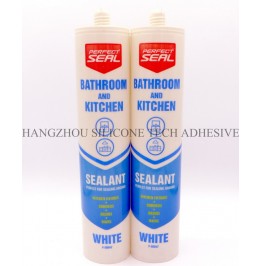
Understanding Sealant Composition and Hazards
Before disposal, evaluate the chemical makeup of the leftover sealant to determine its environmental impact. Many sealants contain solvents, polymers, or heavy metals that require specialized handling.
-
Chemical Identification: Review the product’s safety data sheet (SDS) to identify hazardous components like volatile organic compounds (VOCs), isocyanates, or phthalates. These substances may pose risks to ecosystems if not neutralized.
-
Reactivity Assessment: Check if the sealant reacts with water, air, or other materials. Some products cure into inert solids, while others remain toxic even after drying.
-
Local Regulations: Research regional waste disposal laws, as rules for hazardous materials vary by location. Many areas prohibit landfilling certain chemicals without pre-treatment.
Reduction Strategies to Minimize Waste
Preventing excess sealant in the first place reduces disposal challenges and environmental footprint.
-
Accurate Quantity Estimation: Calculate the exact amount needed for the project by measuring surface areas and considering application thickness. Overordering often leads to unnecessary waste.
-
Small-Batch Mixing: For two-part sealants, mix smaller quantities to avoid leftover cured material. Use calibrated tools to ensure precise ratios and prevent spoilage.
-
Reusable Containers: Store partial sealant tubes or cartridges in airtight containers to extend their shelf life. Label containers with dates and contents for future use.
Safe Disposal of Liquid Sealants
Liquid sealants, especially those classified as hazardous, require careful handling to avoid leaks or spills during disposal.
-
Solidification Techniques: Mix liquid sealants with absorbent materials like sawdust, sand, or kitty litter to convert them into non-flowing solids. This reduces the risk of contamination during transport.
-
Hazardous Waste Collection: Contact local waste management authorities to locate certified facilities that accept chemical waste. Many municipalities offer scheduled pickups or drop-off events for hazardous materials.
-
Professional Disposal Services: For large quantities or highly toxic sealants, hire licensed waste disposal companies. These firms use specialized equipment to neutralize or incinerate chemicals safely.
Recycling and Repurposing Options
Some sealant materials can be recycled or repurposed, diverting waste from landfills and conserving resources.
-
Uncured Sealant Donation: If the sealant is still usable and within its shelf life, donate it to community projects, schools, or nonprofits. Ensure recipients understand proper storage and handling.
-
Component Recovery: Certain sealants, like silicone-based products, may have recyclable components. Research facilities that extract and reuse polymers or solvents from industrial waste.
-
Energy Recovery: In rare cases, non-recyclable sealants can be incinerated in waste-to-energy plants to generate electricity. Verify that the facility meets emissions standards to prevent air pollution.
Community and Industry Collaboration
Partnering with local organizations or industry groups enhances waste management efforts and promotes sustainable practices.
-
Take-Back Programs: Advocate for or participate in manufacturer-led initiatives that accept unused sealants for responsible disposal. Some companies offer incentives for returning surplus materials.
-
Workplace Policies: Implement waste reduction protocols in professional settings, such as tracking inventory, training staff on eco-friendly disposal, and auditing material usage.
-
Public Awareness Campaigns: Share best practices for sealant disposal through social media, workshops, or local events. Educating others reduces improper disposal rates and fosters community responsibility.
Conclusion
Disposing of leftover sealant materials responsibly requires a combination of preventive measures, safe handling techniques, and collaboration with waste management systems. By understanding the chemical risks, reducing waste generation, and exploring recycling options, individuals and businesses can protect ecosystems and comply with environmental regulations. Proactive disposal practices not only safeguard public health but also contribute to a circular economy by repurposing valuable resources.
Prev: Mold prevention measures after the bathroom sealant has cured
Next: Ventilation deficiency environment sealant construction anti-toxic measures


