Ventilation deficiency environment sealant construction anti-toxic measures
Feb 05,2026 | Views: 340
Essential Anti-Poisoning Measures for Sealant Application in Poorly Ventilated Environments
Sealant application in enclosed or poorly ventilated spaces poses significant health risks due to the release of volatile organic compounds (VOCs), solvents, and other hazardous chemicals. Without proper precautions, workers may face acute or chronic poisoning, respiratory issues, or even life-threatening conditions. Below are critical measures to ensure safety during such tasks.
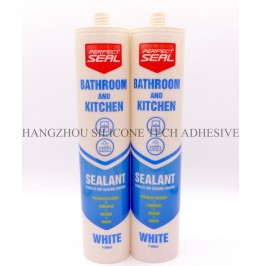
Pre-Work Risk Assessment and Planning
Before starting any sealant project in a confined space, a thorough risk assessment is essential. Identify potential hazards, including the type of sealant being used, its chemical composition, and the likelihood of gas accumulation.
-
Chemical Analysis: Review the sealant’s safety data sheet (SDS) to understand its toxicological properties, such as flammability, reactivity, and exposure limits.
-
Environmental Evaluation: Assess the workspace for factors like temperature, humidity, and airflow. Poor ventilation exacerbates chemical concentration, increasing poisoning risks.
-
Contingency Planning: Develop an emergency response plan, including evacuation routes, first-aid procedures, and communication protocols. Ensure all workers are trained on these measures.
Ventilation Enhancement Strategies
Improving airflow is the most effective way to reduce chemical exposure in enclosed spaces. Even temporary solutions can significantly mitigate risks.
-
Mechanical Ventilation: Use industrial fans or blowers to create positive air pressure, directing contaminated air out of the workspace. Position fans near entry points to draw in fresh air.
-
Natural Ventilation: If possible, open windows, doors, or vents to allow cross-ventilation. Use exhaust ducts to channel fumes away from workers.
-
Local Exhaust Systems: Install localized extraction units near the application area to capture vapors at their source. This is particularly useful for tasks generating high concentrations of fumes.
Personal Protective Equipment (PPE) Requirements
Workers must wear appropriate PPE to shield themselves from chemical exposure. The type of equipment depends on the sealant’s hazards and the work environment.
-
Respiratory Protection: Use NIOSH-approved respirators with organic vapor cartridges for tasks involving high VOC concentrations. Full-face respirators provide additional eye and skin protection.
-
Eye and Face Protection: Safety goggles or face shields prevent splashes or airborne particles from reaching the eyes. Choose models with anti-fog coatings for humid environments.
-
Skin Protection: Wear chemical-resistant gloves, coveralls, and boot covers to avoid direct contact with sealants. Disposable suits are ideal for single-use applications to prevent cross-contamination.
Worker Training and Supervision
Education and oversight are vital to ensuring compliance with safety protocols and minimizing risks.
-
Hazard Awareness Training: Teach workers to recognize symptoms of chemical exposure, such as dizziness, nausea, or skin irritation. Emphasize the importance of reporting issues immediately.
-
Safe Work Practices: Train workers on proper sealant handling, including application techniques, storage, and cleanup. Stress the need to avoid eating, drinking, or smoking in contaminated areas.
-
Supervision and Monitoring: Assign a safety officer to oversee the project, ensuring adherence to protocols. Use gas detectors to monitor air quality continuously and alert workers to dangerous conditions.
Continuous Air Quality Monitoring
Real-time monitoring of chemical levels helps detect unsafe conditions before they escalate into health hazards.
-
Gas Detection Instruments: Deploy portable or fixed-point detectors to measure VOCs, carbon monoxide, and other toxic gases. Calibrate instruments regularly to ensure accuracy.
-
Alarm Systems: Install audible or visual alarms to alert workers when chemical concentrations exceed permissible limits. Integrate alarms with ventilation systems to trigger automatic adjustments.
-
Record-Keeping: Maintain logs of air quality readings and worker exposure times. This data helps identify trends and improve future safety measures.
Conclusion
Sealant application in poorly ventilated environments demands a multi-faceted approach to prevent poisoning and ensure worker safety. By conducting risk assessments, enhancing ventilation, providing proper PPE, training workers, and monitoring air quality, employers can create a safer workspace. Proactive measures not only protect health but also improve productivity and compliance with occupational safety regulations.
Prev: Environmental treatment of leftover materials after sealant application
Next: The necessity of wearing protective goggles during sealant application


