E-mail:
sales@silicone-sealant-china.com

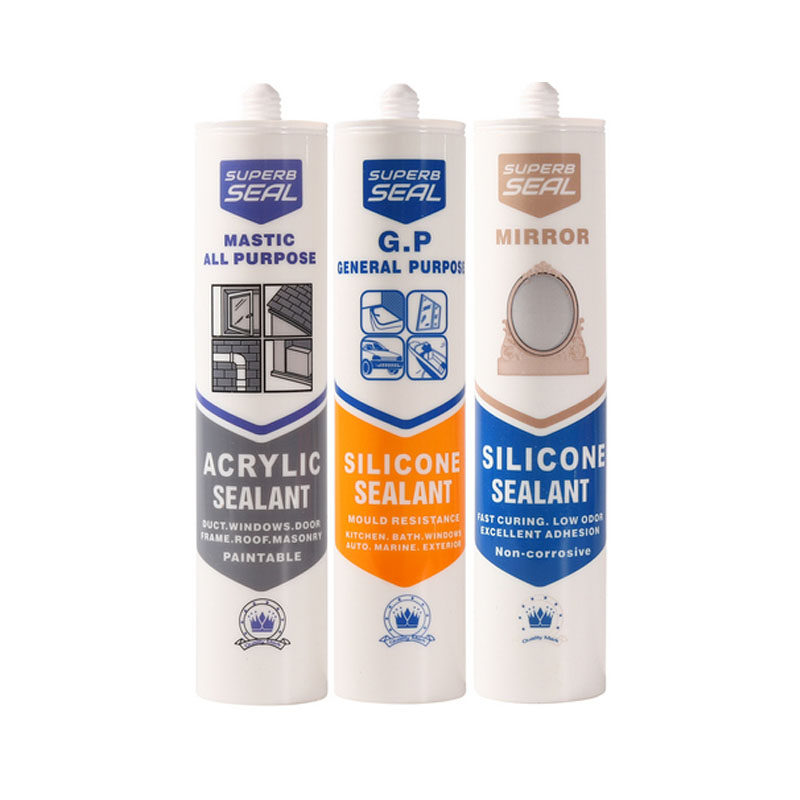
Old silicone beads crack, trap mold, and block adhesion for new sealant. Cutting corners during removal causes the fresh bead to peel within months. Doing the job right takes patience, a sharp blade, and the right solvent.
You need a utility knife or razor scraper, a plastic scraper for delicate surfaces, silicone remover gel, isopropyl alcohol or mineral spirits, and clean rags. A removal tool with a angled blade reaches tight corners around tubs and sinks.
Score the bead carefully so the blade rides along the surface instead of digging into acrylic tubs or painted frames. Tape the edges on glossy finishes. Work slowly, because a slip costs more than the extra minutes.
Cut along both edges of the bead with the utility knife. Grip the loose end with pliers and pull it away in a long strip. Cured silicone often peels off in sections once both edges are free.
A thin film always stays behind. Apply silicone remover gel, wait for the label time, then scrape the softened layer with a plastic scraper. Wipe the joint with isopropyl alcohol on glass and tile, or mineral spirits on stone and metal, until the surface feels clean.
New silicone will not bond to a damp joint. Let the area air dry for at least 24 hours, or speed it up with a fan. Check that no oily film remains, because residue is the main reason fresh beads fail.
Never apply fresh silicone over a cured bead. Silicone does not bond to itself once fully cured, so the new joint lifts and leaks. Always remove the old material first, even when it looks sound.
A razor blade works well on flat glass. On coated or tinted glass, use a plastic scraper and remover gel instead, then test a hidden spot first.
Match the new product to the joint. For wet indoor areas, a quality all-purpose silicone sealant handles moisture and movement well. For paintable interior seams, an acrylic mastic sealant accepts paint and tools smoothly. For heavy glass assemblies, a two-component structural silicone sealant carries real structural loads.
Take your time during removal and the new bead will last for years. Clean, dry, residue-free surfaces are the whole secret to a long-lasting seal.
Copyright 2019 by Hangzhou Silicone Tech Adhesive Co., Ltd. All rights reserved.
Bathroom Sealant | Acrylic Sealant | Dow Corning 795 | Aquarium Sealant | Dow Corning 732 | Clear Silicone Sealant | Polysulfide Sealant | Glazing Sealant | Mirror Sealant | IG Sealant
Powered by Onepound


