E-mail:
sales@silicone-sealant-china.com

Short answer: no. Paint will not stick to a standard silicone sealant once it has cured. Silicone is built to repel water, dirt, and almost everything else — that is exactly what makes it a good weather seal — and that same property makes it reject paint. The coating beads up on the bead, then flakes or peels away within weeks. If a joint has to take paint, the decision is made before you seal, not after. Here is why it happens and what to use instead.
Two properties of cured silicone defeat paint:
Oil-based paints, water-based paints, and most primers all fail for the same reason. Silicone also stays slightly flexible, so even a coating that appears to take will crack as the joint moves.
The failure is predictable:
Re-coating does not fix this. You end up painting over a moving, contaminated surface, and the second coat fails faster than the first.
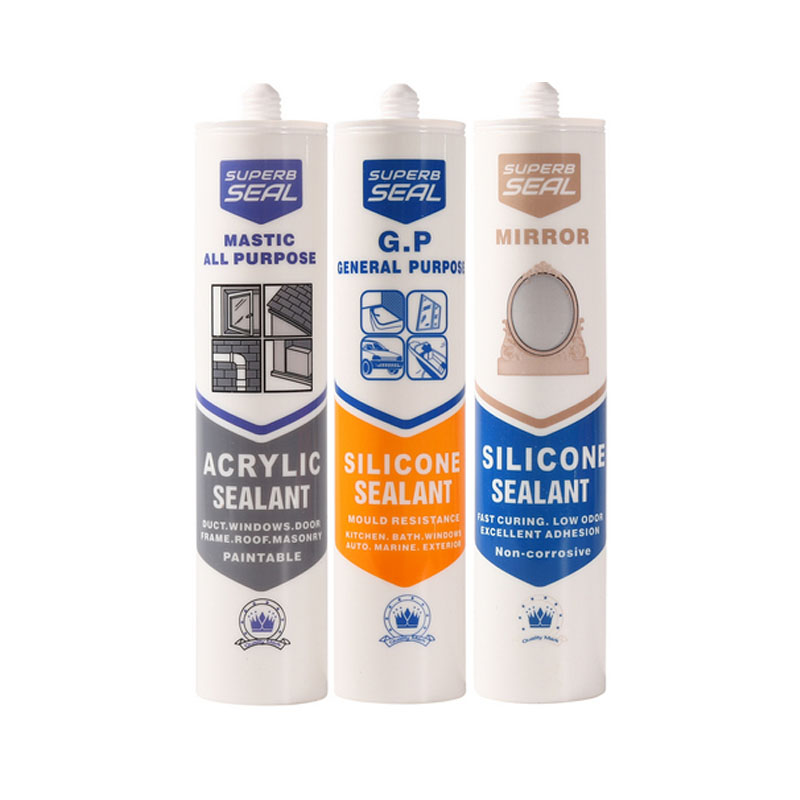
If the joint will be painted, seal it with an acrylic or siliconized-acrylic sealant instead of silicone. These products take emulsion and oil-based paint directly and are the standard choice for skirting boards, architraves, window frames, and interior trim. Our acrylic sealant range lists the paintable grades.
A small number of silicones carry a paintable additive and will accept certain coatings. This is the exception, not the rule. Only trust the claim if the technical data sheet names the compatible paint systems — never assume a standard bead will take paint.
On an existing silicone bead that cannot be cut out, a specialist silicone primer followed by an elastomeric coating is the only realistic option. It is slower, costlier, and still less reliable than using the right sealant in the first place.
The rule is simple: if a joint will be painted, use an acrylic sealant; if it stays exposed and needs waterproofing, use silicone and keep the paint away. Where a durable, watertight bead is the priority, choose acetoxy silicone sealant for glass, ceramics, and glazed tiles, or neutral cure silicone for stone, metals, and painted surfaces where acetic acid would cause corrosion or staining.
You cannot paint over standard silicone sealant and expect it to last. Silicone repels coatings by design, so paint beads, cracks, and peels away. Decide the finish before you reach for the gun: acrylic sealant where the joint will be painted, silicone where it will stay exposed and needs to shed water. Choose correctly at the start and the joint holds — and the paint stays put.
Copyright 2019 by Hangzhou Silicone Tech Adhesive Co., Ltd. All rights reserved.
Bathroom Sealant | Acrylic Sealant | Dow Corning 795 | Aquarium Sealant | Dow Corning 732 | Clear Silicone Sealant | Polysulfide Sealant | Glazing Sealant | Mirror Sealant | IG Sealant
Powered by Onepound


