E-mail:
sales@silicone-sealant-china.com

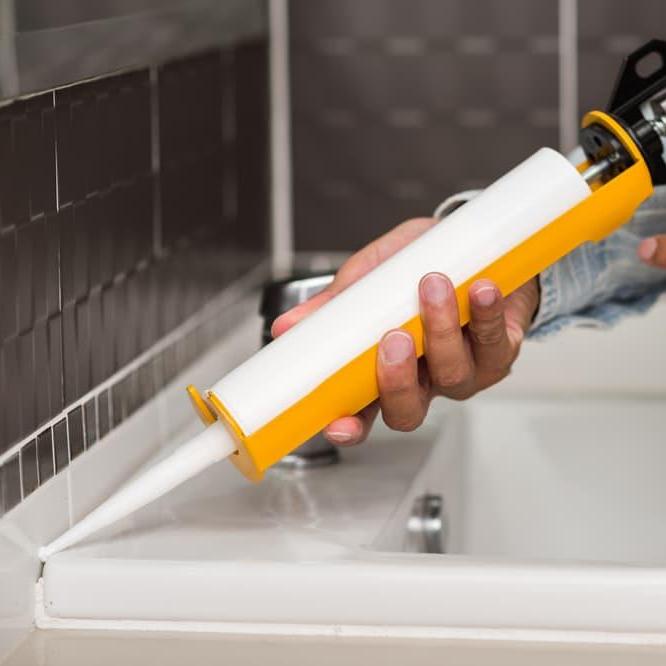
Sanitary silicone is a mould-resistant silicone sealant formulated for wet, humid areas — bathrooms, kitchens, showers, and wet rooms. What separates it from a standard silicone is a built-in fungicide, or biocide, that stops mould and mildew growing on the seal itself. Most sanitary grades are also neutral-cure, so they will not corrode chrome fittings, crack sanitaryware, or stain natural stone. That combination is why it is the default choice around baths, basins, and sinks.
On a label you may see it called sanitary, mould-resistant, anti-mould, or hygienic silicone. They describe the same idea. Not every "silicone" sold for bathrooms carries a biocide, so check the technical data sheet before you buy.
Any joint that is regularly wet is a candidate:
It is a specialist product, not a universal one:
Where a standard, long-service silicone is the right answer for glass and ceramics, our acetoxy silicone sealant range covers those jobs. For stone, metals, and painted surfaces, neutral cure silicone is the safer specification. And for joints that must accept paint, the acrylic sealant range is the correct product.
A biocide only protects the bead — not the substrate underneath — so preparation still decides the outcome:
Keep the joint ventilated and wipe it down regularly. Mould that appears on sanitary silicone is usually surface dirt and soap scum sitting on the bead, not growth inside it — routine cleaning keeps the seal looking new.
Sanitary silicone is a mould-resistant, usually neutral-cure sealant made for the wettest rooms in a building. Its built-in biocide is what keeps a seal hygienic, and its neutral chemistry is what keeps it safe on chrome and stone. Choose it for bathroom and kitchen joints, match it to a different product for exterior, paintable, or load-bearing work, and prepare the joint properly — that is what turns a good sealant into a seal that lasts.
Copyright 2019 by Hangzhou Silicone Tech Adhesive Co., Ltd. All rights reserved.
Bathroom Sealant | Acrylic Sealant | Dow Corning 795 | Aquarium Sealant | Dow Corning 732 | Clear Silicone Sealant | Polysulfide Sealant | Glazing Sealant | Mirror Sealant | IG Sealant
Powered by Onepound


