E-mail:
sales@silicone-sealant-china.com

Bathroom environments are prone to moisture, mold, and bacterial growth, making tool disinfection critical during sealant application. Contaminated tools can introduce pathogens into freshly applied sealant, compromising hygiene and durability. Disinfecting tools before and after use prevents cross-contamination between surfaces, ensuring a sterile finish. This is especially vital in shared bathrooms or healthcare facilities where infection control is paramount.
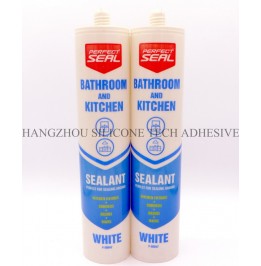
Unclean tools may also leave residue or debris in sealant joints, leading to weak adhesion and premature cracking. By adopting rigorous disinfection protocols, contractors maintain compliance with health regulations and extend the lifespan of sealant installations.
Before starting a bathroom sealant project, all tools—including caulking guns, spatulas, and scrapers—must be thoroughly cleaned. Begin by rinsing tools under hot water to remove visible dirt or old sealant. Use a stiff-bristled brush to scrub crevices, ensuring no residue remains.
Next, immerse tools in a disinfectant solution. A mixture of water and household bleach (1:10 ratio) is effective for killing bacteria and fungi. Submerge tools for at least 10 minutes, then rinse with clean water. For sensitive materials, vinegar or hydrogen peroxide-based solutions offer milder alternatives. Dry tools completely with lint-free cloths to prevent water spots or rust.
After completing sealant work, immediate cleaning prevents hardened residue from damaging tools. Wipe excess sealant from surfaces using disposable wipes or paper towels. Soak tools in a solvent-free cleaner to dissolve stubborn residue. Avoid abrasive scrubbers that may scratch metal or plastic components.
For deep sterilization, use an autoclave or UV-C light chamber if available. These methods eliminate 99.9% of pathogens without chemical residues. Alternatively, soak tools in a 70% isopropyl alcohol solution for 15 minutes. Rinse and air-dry in a well-ventilated area to avoid moisture buildup.
Proper storage maintains tool cleanliness between uses. Designate a sealed container or cabinet for disinfected tools, away from contaminated areas. Line containers with absorbent paper to trap residual moisture. Label storage zones clearly to prevent mix-ups with unclean equipment.
Avoid stacking tools, as this can trap dirt or scratch surfaces. Hang caulking guns by their handles and store spatulas flat to prevent warping. Regularly inspect storage areas for signs of mold or pests, which could recontaminate tools.
Certain tools, such as silicone finishing tools or precision nozzles, require tailored disinfection. For silicone-based tools, avoid harsh chemicals that may degrade the material. Instead, use warm soapy water followed by a hydrogen peroxide rinse. Dry gently with microfiber cloths to prevent static buildup.
Electric caulking guns demand extra care. Disconnect batteries before cleaning and avoid submerging motors. Wipe exterior surfaces with alcohol wipes and use compressed air to remove dust from vents. Store in a dust-proof case to protect electronic components.
Disinfection involves handling chemicals and sharp tools, necessitating strict safety measures. Wear nitrile gloves and goggles when using bleach or alcohol solutions to protect skin and eyes. Work in well-ventilated areas to avoid inhaling fumes.
Dispose of cleaning rags and used wipes in sealed bags to prevent chemical exposure. If using UV-C light, follow manufacturer guidelines to avoid skin or eye damage. Train all personnel in proper disinfection techniques to minimize accidents and ensure consistency.
Eco-conscious practices reduce the environmental impact of disinfection. Opt for biodegradable cleaners over chemical-heavy alternatives. Reuse cleaning solutions for multiple tools where possible, and filter water before disposal.
Minimize single-use plastics by switching to reusable cloths or silicone scrapers. For large-scale operations, consider steam cleaning as a chemical-free option. Recycle empty disinfectant bottles according to local regulations to curb plastic waste.
Copyright 2019 by Hangzhou Silicone Tech Adhesive Co., Ltd. All rights reserved.
Bathroom Sealant | Acrylic Sealant | Dow Corning 795 | Aquarium Sealant | Dow Corning 732 | Clear Silicone Sealant | Polysulfide Sealant | Glazing Sealant | Mirror Sealant | IG Sealant
Powered by Onepound


