Pet contact protection after sealant application
Sep 29,2025 | Views: 718
Protecting Pets After Sealant Application: A Comprehensive Safety Guide
When undertaking home improvement projects involving sealants—whether for floors, furniture, or concrete surfaces—pet owners must prioritize post-application safety. Chemicals in sealants, even those labeled "pet-friendly," can pose risks through inhalation, skin contact, or accidental ingestion. This guide outlines actionable steps to safeguard pets during and after sealant work.
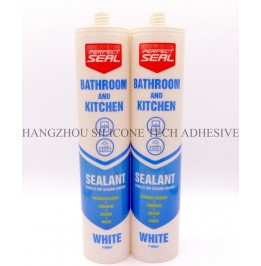
Understanding Sealant Risks for Pets
Sealants often contain volatile organic compounds (VOCs), solvents, or polymers that remain active during curing. For example, silicone-based sealants may emit acetic acid vapors, while epoxy sealants can release irritants that cause respiratory distress in pets. Dogs and cats, with their sensitive noses and tendency to lick surfaces, are particularly vulnerable. Symptoms of exposure range from mild (eye watering, sneezing) to severe (vomiting, lethargy, or chemical burns on paws).
Common Sealant Hazards
-
Inhalation Risks: Pets near freshly applied sealants may inhale fumes, leading to coughing, wheezing, or disorientation.
-
Skin Contact: Walking on uncured sealant can cause paw pad irritation or chemical burns.
-
Ingestion Dangers: Licking sealed surfaces or grooming fur contaminated with sealant may result in gastrointestinal distress.
Immediate Post-Application Precautions
1. Restrict Access to Treated Areas
-
Physical Barriers: Use baby gates, pet playpens, or closed doors to block off sealed zones. For multi-story homes, confine pets to floors away from construction areas.
-
Temporary Relocation: Consider boarding pets or staying with a friend until the sealant cures. This is critical for households with curious puppies or kittens.
-
Visual Cues: Place warning signs or tape around treated areas to remind household members to keep pets away.
2. Ventilate the Space
-
Cross-Ventilation: Open windows on opposite sides of the room to create airflow. Use fans to direct fumes outward, but ensure pets cannot knock them over.
-
Air Purifiers: Run HEPA filters with activated carbon layers to capture VOCs. Position them away from pet reach to prevent tampering.
-
Time Management: Schedule sealant work during warm, dry days to maximize natural ventilation. Avoid rainy or humid weather, which can slow curing and trap fumes indoors.
3. Monitor Curing Time
-
Manufacturer Guidelines: Follow recommended curing periods (typically 24–72 hours). Some sealants require up to a week to fully harden.
-
Touch Test: Lightly press the sealed surface with a gloved finger. If it feels tacky or leaves residue, it’s not safe for pets.
-
Extended Precautions: For pets with chewing habits, extend the no-access period until the surface is completely inert.
Long-Term Safety Measures
1. Surface Protection
-
Rugs and Mats: Place washable rugs over newly sealed floors to create a barrier. Opt for non-slip varieties to prevent pet slips.
-
Furniture Covers: Use machine-washable slipcovers on sealed couches or chairs. This protects the sealant and simplifies cleanup if pets shed or drool.
-
Concrete Sealers: For outdoor concrete, apply a pet-safe topcoat designed to resist urine and feces. These formulations often include enzyme inhibitors to break down organic matter.
2. Behavioral Management
-
Training: Teach pets commands like “leave it” to discourage licking or chewing. Reward-based training works best for dogs, while cats may respond to deterrent sprays.
-
Distractions: Provide toys, puzzle feeders, or interactive play sessions to redirect attention away from sealed areas.
-
Safe Zones: Create a pet-friendly room stocked with beds, water, and toys. Use white noise machines to mask construction sounds.
3. Emergency Preparedness
-
First Aid Kit: Stock pet-specific supplies, including saline eye wash, mild soap, and a cone collar to prevent licking.
-
Veterinary Contact: Keep your vet’s number and the nearest 24-hour emergency clinic on hand. Symptoms like drooling, tremors, or difficulty breathing require immediate attention.
-
Documentation: Save product labels or MSDS sheets for the sealant used. This information helps vets identify toxic ingredients.
Pet-Specific Considerations
Dogs
-
Paw Care: After walks, wipe paws with a damp cloth to remove potential sealant residue. Trim fur between paw pads to minimize trapping chemicals.
-
Dental Sealants: If your dog undergoes dental sealant treatment, avoid hard chew toys for 24 hours to prevent chipping.
Cats
-
Litter Box Placement: Keep litter boxes away from sealed areas to prevent tracking chemicals. Use low-dust litter to reduce inhalation risks.
-
Vertical Space: Cats may avoid sealed floors by jumping onto furniture. Ensure surfaces are stable and free of loose sealant flakes.
Small Pets
-
Habitat Relocation: Move bird cages, rabbit hutches, or reptile tanks to a sealed-off room during projects. Cover cages with breathable fabric to block fumes.
-
Substrate Safety: Replace bedding in small pet enclosures after sealant work to eliminate residual particles.
By combining immediate restrictions, long-term protections, and pet-specific strategies, owners can minimize risks associated with sealant applications. Always prioritize transparency with contractors about household pets, and err on the side of caution when judging cure times. A little planning goes a long way in keeping tails wagging and purrs rumbling safely.
Prev: Safety measures for the application of sealants in children's rooms and bathrooms
Next: Disinfection treatment of bathroom sealant application tools


