E-mail:
sales@silicone-sealant-china.com

Applying sealant in bathrooms is essential for preventing water damage, mold growth, and structural deterioration. However, post-application care—particularly water management during cleaning—plays a critical role in ensuring the sealant cures properly and maintains its effectiveness. Improper water exposure can weaken adhesion, cause discoloration, or even lead to premature failure. Below, we explore strategies to control water usage effectively after sealant application.
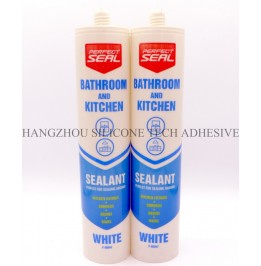
Sealants transition through distinct curing phases, each with varying sensitivity to water. Immediately after application, the sealant is in a “tack-free” stage, where its surface dries but the interior remains soft. During this period, even light moisture can disrupt the curing process, leading to surface bubbles, uneven texture, or reduced elasticity.
As curing progresses, the sealant enters a “semi-cured” phase, typically within 24–48 hours. While the surface may feel firm, the material hasn’t fully cross-linked, making it vulnerable to prolonged water exposure. Heavy splashes or standing water during this stage can penetrate the sealant, compromising its waterproofing properties.
Finally, the “fully cured” stage occurs after 7–14 days, depending on environmental conditions. At this point, the sealant achieves maximum hardness and chemical resistance, allowing limited water contact. However, aggressive cleaning methods (e.g., high-pressure hoses) should still be avoided to prevent edge lifting or abrasion.
For the first 24–48 hours after application, eliminate all direct water exposure to the sealed area. This includes turning off showerheads, faucets, and sprinklers near the bathroom. Even minor splashes from handwashing or toothbrushing can introduce moisture into the uncured sealant, creating weak spots. Use temporary barriers like plastic sheeting or waterproof tape to shield the sealant from accidental contact.
High humidity levels slow curing and increase the risk of water absorption. In bathrooms without exhaust fans, use dehumidifiers or open windows to maintain relative humidity below 60%. If condensation forms on cold surfaces (e.g., mirrors, tiles), wipe it dry immediately with a microfiber cloth. Avoid steam from hot showers during this period, as it can trap moisture around the sealant.
Resist the urge to clean the bathroom thoroughly until the sealant reaches the semi-cured stage. Instead, focus on dry dusting or light sweeping to remove debris. If spills occur, blot them gently with a dry cloth rather than wiping, which could spread moisture. For urgent cleaning needs, use a damp (not wet) sponge and squeeze out excess water before contact.
After 48–72 hours, you can introduce light damp mopping, but only in areas adjacent to the sealant. Use a well-wrung mop (no dripping) and avoid soaking the floor near the joints. Work in small sections, drying each area immediately with a towel to prevent water pooling. For grout lines or tile edges, use a cotton swab dipped in water and squeezed dry to clean without saturating the sealant.
If the sealant was applied around showers or sinks, wait at least 72 hours before using these fixtures. When resuming use, keep water pressure low and avoid splashing directly onto the sealant. For showers, use a handheld nozzle to direct water away from joints, and limit shower duration to 5–10 minutes. After use, dry the area thoroughly with a squeegee or towel to remove residual moisture.
Despite precautions, accidental spills or splashes may occur. If water contacts the semi-cured sealant, blot it immediately with absorbent paper towels. Do not rub, as this can displace the sealant or create micro-scratches. For larger spills, use a wet/dry vacuum on the “dry” setting to extract moisture without introducing additional water. Monitor the area for 24 hours; if discoloration or softening occurs, consult a professional for repair.
Even after full curing, periodically inspect the sealant for signs of water intrusion. Look for peeling edges, cracks, or discoloration, which indicate compromised adhesion. Use a flashlight to check hidden corners behind toilets or under sinks. If moisture is trapped beneath the sealant, it may cause mold growth or substrate rot, requiring reapplication.
When cleaning cured sealant, avoid harsh chemicals (e.g., bleach, ammonia) or abrasive scrubbers, which can erode the surface. Instead, use pH-neutral cleaners diluted in water. Apply the solution with a soft sponge or cloth, and rinse lightly with a damp rag. For stubborn stains, let the cleaner sit for 1–2 minutes before wiping, but never leave standing water on the sealant.
In bathrooms with frequent water exposure (e.g., showers, wet rooms), consider applying a clear silicone-based sealer over the cured sealant. This creates an additional barrier against water penetration and simplifies future cleaning. Reapply the sealer every 1–2 years, or as recommended by the manufacturer, to maintain its effectiveness.
Many homeowners assume sealant is fully cured within 24 hours, leading to premature water exposure. Always refer to the manufacturer’s guidelines, as curing times vary based on temperature, humidity, and sealant type. In cold or damp environments, extend the dry period by 50% or more.
High-pressure hoses or steam cleaners can force water beneath the sealant, even after full curing. Stick to gentle cleaning methods and avoid direct water streams on joints. For tough grime, use a soft-bristled brush and minimal water instead.
Poor ventilation after cleaning can trap moisture around the sealant, prolonging drying times. Always run exhaust fans or open windows for at least 30 minutes after wet cleaning. In humid climates, use a dehumidifier to accelerate moisture evaporation.
By following these guidelines, you can protect bathroom sealant from water-related damage while maintaining a clean and hygienic space. Proper water control during and after application ensures the sealant performs as intended, safeguarding your bathroom against leaks and structural issues for years to come.
Copyright 2019 by Hangzhou Silicone Tech Adhesive Co., Ltd. All rights reserved.
Bathroom Sealant | Acrylic Sealant | Dow Corning 795 | Aquarium Sealant | Dow Corning 732 | Clear Silicone Sealant | Polysulfide Sealant | Glazing Sealant | Mirror Sealant | IG Sealant
Powered by Onepound


