E-mail:
sales@silicone-sealant-china.com

Proper ventilation after sealant application is critical for ensuring effective curing, preventing chemical buildup, and maintaining indoor air quality. Without adequate airflow, volatile organic compounds (VOCs) released during drying can accumulate, posing health risks and potentially weakening the sealant’s adhesion. Below, we explore how to optimize ventilation equipment for safe and efficient post-application care.
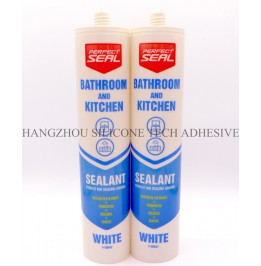
Sealants emit fumes and moisture as they cure, a process that can take anywhere from 24 hours to several days depending on environmental conditions. Inadequate ventilation traps these byproducts, slowing curing and creating unpleasant odors. Proper airflow accelerates drying by carrying away moisture and VOCs, ensuring the sealant hardens uniformly.
Exhaust fans, whether ceiling-mounted or wall-installed, are the primary tool for removing stale air and fumes. By creating negative pressure, they pull contaminated air out of the room and replace it with fresh outdoor air. This is particularly important in small bathrooms or enclosed spaces where air circulation is limited.
When mechanical ventilation isn’t available, natural methods like opening windows and doors can help. Cross-ventilation—where air enters through one opening and exits through another—creates a steady airflow. However, this method is less controllable and may introduce dust or humidity, which could interfere with curing.
Turn on exhaust fans at full speed as soon as the sealant is applied. Keep them running continuously for the first 24–48 hours, or until the surface is no longer tacky. Position fans to direct airflow away from the sealed area to avoid disrupting the sealant with drafts. If using a bathroom fan, ensure it’s vented to the outdoors, not into an attic or adjacent room.
For small spaces (e.g., bathrooms under 50 square feet), a standard exhaust fan running at high speed is sufficient. In larger rooms, consider using multiple fans or a higher-capacity model. If the fan has adjustable settings, start at high speed for the first 12 hours, then reduce to medium to maintain airflow without creating excessive turbulence.
In rooms without built-in exhaust systems, place oscillating or box fans near windows or doors. Angle them to blow air out of the room, creating a gentle breeze that carries fumes away. Avoid pointing fans directly at the sealant, as this can cause uneven drying or dust accumulation. For best results, pair portable fans with open windows on opposite sides of the room.
To ensure proper ventilation, hold a tissue near the fan or window. If it flutters consistently, airflow is adequate. If the tissue hangs limp, adjust fan placement or open additional windows. In enclosed spaces, use a handheld anemometer to measure airspeed; aim for at least 1–2 feet per second near the sealed area.
High humidity slows curing and encourages mold growth, while low humidity can cause the sealant to dry too quickly, leading to cracks. Use a hygrometer to monitor levels; aim for 40–60% relative humidity. If humidity rises above 60%, run a dehumidifier alongside fans. In dry climates, place a bowl of water near the fan to add moisture gently.
Persistent odors indicate incomplete ventilation. If smells linger after 24 hours, increase fan speed or extend runtime. For stubborn fumes, place activated charcoal bags near the ventilation source to absorb VOCs. Avoid using air fresheners, as they mask odors without addressing the root cause.
Many homeowners shut off ventilation once the surface appears dry, but internal curing continues for days. Keep fans running until the manufacturer’s recommended curing time elapses, even if odors dissipate. Premature shutdown can trap moisture, leading to soft spots or adhesion failure.
While open windows help, they’re unreliable in windless or rainy conditions. Mechanical fans provide consistent airflow regardless of weather. Combine both methods for redundancy, especially in humid climates where natural ventilation may introduce excess moisture.
Clogged fan filters reduce airflow efficiency, allowing fumes to linger. Check and clean filters monthly, or as recommended by the manufacturer. For exhaust fans vented to the outdoors, inspect ducts for blockages or leaks that could recirculate contaminated air.
In showers or wet rooms, use a combination of ceiling exhaust fans and portable fans. Run the ceiling fan during and after showers to minimize humidity, then switch to a portable fan angled away from the sealant to dry residual moisture. For persistent condensation, install a timer-controlled fan that runs automatically.
When sealing multiple rooms, prioritize ventilation in the smallest or least ventilated space first. Use industrial fans or blowers for large areas, positioning them to create a cross-draft. Stagger application times between rooms to avoid overwhelming the ventilation system.
In winter, cold air can slow curing. Preheat the room to 68–72°F (20–22°C) before application, then use fans to circulate warm air gently. In summer, avoid direct sunlight on the sealed area, as heat can cause the sealant to bubble. Use shades or curtains to regulate temperature.
By following these guidelines, you can ensure proper ventilation after sealant application, accelerating curing and maintaining a safe, odor-free environment. Consistent airflow protects both the sealant’s integrity and indoor air quality, ensuring long-lasting results.
Copyright 2019 by Hangzhou Silicone Tech Adhesive Co., Ltd. All rights reserved.
Bathroom Sealant | Acrylic Sealant | Dow Corning 795 | Aquarium Sealant | Dow Corning 732 | Clear Silicone Sealant | Polysulfide Sealant | Glazing Sealant | Mirror Sealant | IG Sealant
Powered by Onepound


