E-mail:
sales@silicone-sealant-china.com

When renovating or repairing your home, applying sealant to joints, gaps, or cracks is a critical step to ensure waterproofing, airtightness, and structural integrity. However, one common question arises: How long should you wait before moving furniture back after applying sealant? The answer depends on multiple factors, including sealant type, environmental conditions, and application thickness. Below, we explore the key considerations to help you make an informed decision.
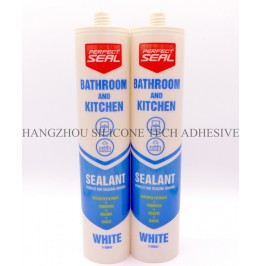
Sealants cure through chemical reactions or physical drying, and their solidification process varies significantly. For instance, silicone sealants rely on atmospheric moisture to cross-link, forming a flexible rubber-like layer. This process starts from the surface and progresses inward, meaning thicker applications take longer to fully cure. Polyurethane sealants, on the other hand, cure through a two-part reaction where moisture or a catalyst triggers polymerization. The curing time for these sealants can range from hours to days, depending on formulation and environmental factors.
Acrylic sealants dry by solvent evaporation, making their curing time highly sensitive to temperature and humidity. High humidity can slow evaporation, while low humidity may cause premature skinning—where the surface dries too quickly, trapping moisture underneath and leading to incomplete curing. Understanding these mechanisms is crucial for estimating how long to wait before moving furniture.
Temperature and humidity are the most critical environmental factors affecting sealant curing. Most sealants cure faster in warm, humid conditions because moisture accelerates chemical reactions. For example, silicone sealants may achieve surface tack-free status in 2–4 hours at 25°C (77°F) and 50% relative humidity, but this time doubles in cooler temperatures (10°C/50°F). Conversely, excessive heat can cause polyurethane sealants to bubble or crack if they cure too rapidly, compromising adhesion.
High humidity benefits moisture-cured sealants but can delay solvent-based ones like acrylics. In dry climates, acrylic sealants may form a skin too quickly, trapping unevaporated solvents and leading to soft or sticky interiors. Ideal conditions for most sealants are temperatures between 15–30°C (59–86°F) and humidity levels of 40–60%. Deviating from these ranges can extend curing times by 50% or more.
Proper ventilation accelerates curing by dispersing volatile organic compounds (VOCs) and maintaining consistent humidity levels. In poorly ventilated areas, trapped moisture can prolong curing for silicone and polyurethane sealants, while stagnant air may slow solvent evaporation in acrylics. Using fans or opening windows can reduce curing time by up to 30%, but avoid direct airflow on freshly applied sealant, as it may cause uneven drying or surface defects.
For areas like kitchen countertops or bathroom vanities where furniture placement involves minimal pressure, you can often return items after 24–48 hours. During this period, ensure the sealant is surface-dry (no tackiness when lightly touched) and has developed enough elasticity to resist minor movement. Avoid dragging heavy objects across the sealant, as this can displace or damage the uncured material. Instead, lift furniture slightly and place it gently.
In high-traffic zones like living rooms or entryways, where furniture may shift frequently (e.g., sofas, bookshelves), wait 3–7 days for full curing. This timeline allows the sealant to achieve 70–90% of its final strength, reducing the risk of compression or tearing under repeated stress. Use felt pads or furniture glides under heavy items to distribute weight evenly and prevent localized pressure.
For outdoor patios, garages, or industrial settings where furniture or equipment exerts significant weight (e.g., workbenches, storage racks), wait at least 7 days before full use. Polyurethane and epoxy sealants in these environments may require up to 14 days to reach maximum hardness and chemical resistance. During this period, avoid stacking items or applying concentrated loads, as the sealant’s adhesive properties are still developing.
A fully cured sealant will have a consistent, smooth appearance with no visible cracks, bubbles, or shrinkage. Touch the surface lightly; if it feels firm and rubbery (for silicone) or hard and non-tacky (for acrylic/polyurethane), it’s likely ready. Avoid pressing too hard, as this can indent the sealant if it’s still curing.
Freshly applied sealants emit a strong chemical odor, which diminishes as curing progresses. If the area still smells strongly after 48 hours, the sealant may not be fully cured. Additionally, check for residual solvents or uncured material on nearby surfaces, which indicate incomplete drying.
For critical applications (e.g., waterproofing showers), conduct a simple water test after the recommended curing time. Sprinkle water on the sealant and observe for 24 hours. If no moisture seeps through or discolors the substrate, the sealant is effective. For structural joints, gently press the edges to ensure no movement or adhesion failure occurs.
Applying weight or pressure too soon can compress the sealant, reducing its elasticity and lifespan. Even if the surface feels dry, the interior may still be soft, leading to future cracking or separation.
Curing times provided by manufacturers are based on standard conditions (25°C/77°F, 50% humidity). Adjust wait times accordingly if your environment differs. For example, in cold basements, double the recommended curing period.
Thicker beads (over 6mm) take significantly longer to cure. For such applications, consider applying multiple thinner layers with curing intervals between each, or use a fast-curing sealant formulated for deep sections.
By aligning your furniture placement schedule with the sealant’s curing requirements, you ensure long-lasting performance and avoid costly repairs down the line. Patience during this critical phase pays off in durability and peace of mind.
Copyright 2019 by Hangzhou Silicone Tech Adhesive Co., Ltd. All rights reserved.
Bathroom Sealant | Acrylic Sealant | Dow Corning 795 | Aquarium Sealant | Dow Corning 732 | Clear Silicone Sealant | Polysulfide Sealant | Glazing Sealant | Mirror Sealant | IG Sealant
Powered by Onepound


