E-mail:
sales@silicone-sealant-china.com

Bathroom sealants are essential for preventing water damage and maintaining hygiene, but their susceptibility to black discoloration—often caused by mold growth—remains a persistent challenge. This discoloration not only compromises aesthetics but also poses health risks. Below, we explore practical, science-backed methods to enhance the mold resistance of bathroom sealants and prevent blackening.
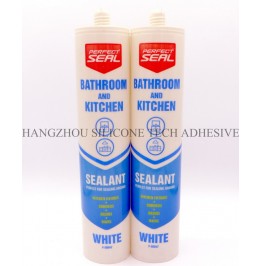
Mold thrives in warm, humid environments with organic material to feed on. Bathroom sealants, particularly those around showers, bathtubs, and sinks, are prime targets due to constant exposure to moisture and soap residue. When mold spores settle on these surfaces, they embed into porous materials like silicone or caulk, leading to stubborn black stains. Traditional cleaning methods often fail to address the root cause, allowing mold to regrow quickly.
Effective moisture management is the cornerstone of preventing black discoloration. Even the most advanced sealants will fail if the surrounding environment remains damp. Key strategies include:
Not all sealants are created equal when it comes to mold resistance. Opt for materials designed to withstand high-humidity conditions:
Silicone sealants are popular for bathroom applications due to their flexibility and water resistance. However, standard silicone can still harbor mold over time. Choose formulations enhanced with antimicrobial agents that inhibit mold growth at the molecular level. These additives create a protective barrier, preventing spores from adhering to the surface.
Hybrid polymers combine the best features of silicone and acrylic, offering superior adhesion, durability, and mold resistance. These sealants are less prone to cracking or shrinking, reducing gaps where mold can take hold. Their low-VOC formulations also make them safer for indoor use.
Even the highest-quality sealant will fail if not applied correctly. Follow these best practices to ensure long-lasting protection:
Regular maintenance is crucial for preventing black discoloration. Implement these simple habits to keep your sealant looking and performing its best:
Check for signs of mold growth, cracks, or peeling. Early detection allows for prompt intervention before the problem worsens.
For persistent black discoloration, create a paste using baking soda and water. Apply it to the stained area, let it sit for 15-20 minutes, then scrub gently with a brush. Rinse and dry thoroughly. This method is effective for lifting surface stains without damaging the sealant.
Preventing black discoloration in bathroom mold-resistant sealants requires a multifaceted approach. By controlling moisture, selecting the right materials, applying sealants correctly, and maintaining them regularly, you can create a bathroom environment that is both beautiful and hygienic. Remember, prevention is always more effective than treatment—invest time in proper care to enjoy long-lasting results.
Copyright 2019 by Hangzhou Silicone Tech Adhesive Co., Ltd. All rights reserved.
Bathroom Sealant | Acrylic Sealant | Dow Corning 795 | Aquarium Sealant | Dow Corning 732 | Clear Silicone Sealant | Polysulfide Sealant | Glazing Sealant | Mirror Sealant | IG Sealant
Powered by Onepound


