E-mail:
sales@silicone-sealant-china.com

Bathrooms are high-moisture zones where water exposure is constant, making them prone to structural damage if not properly sealed. A key element in maintaining bathroom integrity is the use of waterproof sealants that remain flexible and resist cracking over time. These sealants play a vital role in preventing water infiltration, which can lead to costly repairs and mold growth. Below, we explore why flexibility and crack resistance are essential qualities for bathroom sealants and how to ensure optimal performance.
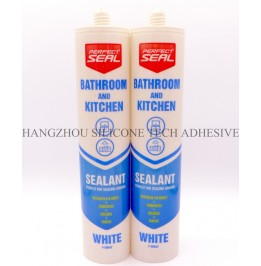
Bathrooms undergo frequent temperature fluctuations and physical stress due to daily use. Traditional rigid sealants may crack or lose adhesion under these conditions, compromising their waterproofing capabilities. Flexible sealants, however, are designed to move with the structure, accommodating slight shifts without breaking.
Bathrooms experience significant temperature swings, especially after hot showers or baths. These changes cause materials to expand and contract. A flexible sealant can stretch and compress without cracking, maintaining a watertight seal even as temperatures fluctuate. This adaptability is crucial for preventing leaks around joints, corners, and fixtures.
Daily activities like cleaning, moving furniture, or even accidental impacts can put stress on bathroom surfaces. Flexible sealants absorb these forces, reducing the risk of damage. Their ability to bend and flex ensures long-lasting performance, even in high-traffic areas.
Cracks in sealants are more than just cosmetic issues—they create pathways for water to seep into walls, floors, and substructures. This can lead to rot, mold, and structural instability. Crack-resistant sealants are formulated to withstand wear and tear, providing reliable protection for years.
Even small cracks can allow water to penetrate surfaces, causing hidden damage that may go unnoticed until it becomes severe. Crack-resistant sealants form a continuous barrier, blocking moisture from entering vulnerable areas. This proactive approach saves homeowners from expensive repairs down the line.
Moisture trapped behind cracked sealants creates an ideal environment for mold and mildew to thrive. These fungi not only damage surfaces but also pose health risks to occupants. By choosing a crack-resistant sealant, you minimize the chances of moisture infiltration, thereby reducing the likelihood of mold growth.
Not all sealants are suitable for bathroom environments. To ensure flexibility and crack resistance, consider the following factors when selecting a product:
Opt for sealants made from materials known for their elasticity and durability, such as silicone or hybrid polymers. These formulations offer superior flexibility compared to traditional acrylic-based sealants, which tend to harden over time and become brittle.
Ensure the sealant is compatible with the surfaces you’re sealing, whether it’s tile, glass, metal, or plastic. Some sealants are specifically designed for certain materials, providing better adhesion and performance. Check the manufacturer’s guidelines for recommended applications.
Bathrooms may be exposed to cleaning agents and sunlight through windows. Choose a sealant that resists UV degradation and chemical damage to maintain its flexibility and appearance over time. This ensures the sealant remains effective even in challenging conditions.
Even the best sealant will fail if not applied correctly. Follow these steps to ensure a flexible, crack-resistant seal:
Regular maintenance extends the life of your bathroom sealants and ensures they continue to perform as expected:
Check sealants regularly for signs of cracking, peeling, or discoloration. Early detection allows for prompt repairs before minor issues become major problems.
Clean sealants with mild, non-abrasive cleaners to avoid damaging the surface. Harsh chemicals can degrade the material over time, reducing its flexibility and crack resistance.
If you notice small cracks or gaps, repair them immediately using a compatible sealant. This prevents water from infiltrating and causing further damage.
By prioritizing flexibility and crack resistance in your bathroom sealants, you create a durable, watertight environment that stands up to daily use and environmental challenges. Proper selection, installation, and maintenance ensure long-lasting protection for your bathroom surfaces.
Copyright 2019 by Hangzhou Silicone Tech Adhesive Co., Ltd. All rights reserved.
Bathroom Sealant | Acrylic Sealant | Dow Corning 795 | Aquarium Sealant | Dow Corning 732 | Clear Silicone Sealant | Polysulfide Sealant | Glazing Sealant | Mirror Sealant | IG Sealant
Powered by Onepound


