E-mail:
sales@silicone-sealant-china.com

Creating a watertight seal between plastic components and tile surfaces in bathrooms or kitchens requires precision to prevent moisture damage, mold growth, and structural issues. Unlike traditional tile-to-tile joints, combining plastic with tile demands careful consideration of material compatibility, surface preparation, and application techniques. This guide explores the nuances of this process, focusing on practical steps to ensure long-lasting results.
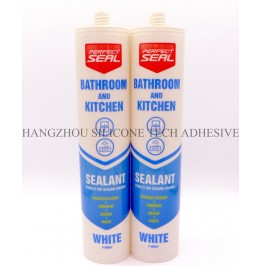
Plastic and tile expand and contract at different rates due to temperature fluctuations and humidity changes. For example, acrylic or PVC plastic components (like shower trays or sink edges) may shift slightly compared to rigid ceramic tiles, creating stress on the sealant. To mitigate this, choose a flexible sealant with high elongation properties—typically 25–50%—to accommodate movement without cracking.
Thermal compatibility is equally critical. Some plastics soften under prolonged heat, which can weaken the seal if exposed to direct sunlight or hot water. Test the sealant’s adhesion on a small, inconspicuous area of the plastic component before full application. If the sealant peels or bubbles, switch to a formula designed for heat-resistant plastics.
Surface texture also plays a role. Porous tiles absorb moisture, requiring a sealant with strong adhesive properties, while smooth plastics need a product that bonds to low-energy surfaces. Cleaning both materials thoroughly removes contaminants that might interfere with adhesion, ensuring the sealant forms a durable bond.
Start by removing dust, grease, or manufacturing residues from the plastic surface. Use a soft cloth dampened with isopropyl alcohol (70% concentration) to wipe down the area. Avoid abrasive cleaners or scouring pads, as they can scratch the plastic, creating pathways for water infiltration. For stubborn stains, apply a mild detergent solution and rinse thoroughly with clean water.
Tiles, especially grout lines, often harbor hidden dirt or soap scum. Scrub the area with a non-metallic brush and a pH-neutral cleaner to avoid damaging the tile finish. Pay special attention to corners and edges where grime accumulates. After cleaning, dry the surface completely using a lint-free cloth or a hairdryer on a low setting. Moisture trapped beneath the sealant can lead to bubbling or mold growth over time.
To achieve clean, professional lines, apply painter’s tape along the edges of the plastic and tile surfaces. Place the tape about 2mm away from the joint to ensure the sealant covers the entire gap without spreading onto unwanted areas. Press the tape firmly to prevent bleed-through, and remove it immediately after smoothing the sealant to avoid pulling up the material.
A caulking gun is ideal for dispensing sealant evenly, especially in long, straight joints. For intricate areas or corners, use a smaller cartridge or a squeeze tube for better control. Cut the nozzle at a 45-degree angle, adjusting the opening size to match the width of the gap (typically 3–5mm for most bathroom applications). A larger gap may require multiple passes or a backer rod to prevent the sealant from sagging.
Hold the caulking gun at a consistent 45-degree angle to the joint and apply steady pressure on the trigger. Move along the gap in a smooth, continuous motion to avoid gaps or air pockets. If the sealant starts to drip, reduce pressure or pause briefly to let the material build up slightly before continuing. For vertical joints, start at the top and work downward to prevent the sealant from sliding.
Once applied, use a dampened finger (wrapped in a latex glove) or a plastic spatula to shape the sealant. Dip the tool in a mixture of water and a few drops of dish soap to reduce friction and prevent sticking. Press the sealant into the joint with moderate force, creating a concave profile that directs water away from the gap. For outside corners, round the edges to minimize chipping, while inside corners require a sharper angle for better water runoff.
The mismatch in thermal expansion between plastic and tile can cause the sealant to crack over time. To counter this, avoid overfilling the joint—leave a slight gap (1–2mm) to allow for movement. Additionally, choose a sealant with high flexibility and low modulus, which stretches without breaking under stress. Reapply sealant every 3–5 years or as soon as signs of wear appear, such as discoloration or hardening.
Bathrooms and kitchens are prone to high humidity, creating ideal conditions for mold growth. Opt for a mold-resistant sealant containing antimicrobial additives, which inhibit fungal development. Ensure proper ventilation by using exhaust fans or opening windows after showering to reduce moisture buildup. Regularly inspect the sealant for early signs of mold, such as black spots or a musty odor, and clean the area with a diluted bleach solution if necessary.
If the sealant appears uneven or has air bubbles, remove it entirely using a sealant remover tool or a plastic scraper. Clean the surfaces again and reapply the sealant following the steps outlined above. For small imperfections, use a utility knife to trim excess material, then smooth the edges with a damp finger. Avoid using sharp metal tools, as they can damage the plastic or tile surfaces.
By following these guidelines, you can create a durable, watertight seal between plastic components and tile surfaces that withstands daily use and environmental challenges. Attention to detail during preparation and application ensures the sealant performs effectively, protecting your space from water damage and maintaining its aesthetic appeal.
Copyright 2019 by Hangzhou Silicone Tech Adhesive Co., Ltd. All rights reserved.
Bathroom Sealant | Acrylic Sealant | Dow Corning 795 | Aquarium Sealant | Dow Corning 732 | Clear Silicone Sealant | Polysulfide Sealant | Glazing Sealant | Mirror Sealant | IG Sealant
Powered by Onepound


