E-mail:
sales@silicone-sealant-china.com

Shower zones are high-moisture environments where water infiltration can lead to structural damage, mold growth, and costly repairs. While standard sealant application provides basic protection, reinforcing the waterproofing system requires targeted techniques to address vulnerabilities like joints, corners, and transitions. This guide explores advanced methods to strengthen sealant performance in shower areas, focusing on material selection, application precision, and long-term maintenance.
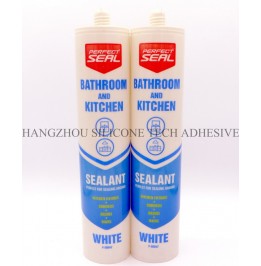
Not all parts of a shower are equally prone to leaks. The most vulnerable spots include gaps between tiles and fixtures, inside corners where walls meet floors, and transitions between different materials like glass and tile. These areas experience constant exposure to water, steam, and temperature fluctuations, making them ideal candidates for enhanced sealing.
Shower trays, basins, and faucet bases often create irregular gaps with surrounding tiles. These joints are prone to shifting due to vibrations from water flow or settling of the structure. A flexible, high-elongation sealant (typically 30–50% elongation capacity) is essential here to accommodate movement without cracking. Additionally, using a backer rod in wider gaps (over 5mm) provides support and prevents the sealant from sinking, ensuring a uniform layer.
Inside corners, such as where shower walls meet the floor, are notorious for water pooling. Standard straight-line sealing may not divert water effectively, leading to seepage. Reinforcing these areas involves creating a concave profile with the sealant, which channels water toward the drain. For floor transitions between the shower and adjacent dry areas, applying a continuous bead of sealant along the edge acts as a barrier against capillary action, where water wicks upward through tiny gaps.
When combining materials like glass shower doors with tile walls, the difference in thermal expansion can stress the sealant. Glass expands and contracts more than ceramic tiles, especially under temperature changes from hot showers. To mitigate this, use a sealant formulated for low-energy surfaces (like glass) and ensure the joint width accounts for movement—typically 6–10mm. Applying the sealant in two layers (a base layer followed by a finishing layer) can also improve flexibility and durability.
The success of any sealing project hinges on proper surface preparation. Start by removing old sealant, dirt, and soap scum using a plastic scraper and a non-abrasive cleaner. For stubborn residues, a mixture of baking soda and water can gently scrub away grime without damaging tiles or fixtures. After cleaning, dry the surfaces thoroughly with a lint-free cloth or a hairdryer on a low setting. Moisture trapped beneath the sealant weakens adhesion and promotes mold growth.
To achieve sharp, even edges, apply painter’s tape along both sides of the joint, leaving a 2–3mm gap for the sealant. Press the tape firmly to prevent bleed-through, especially on porous tiles. For intricate areas like curved fixtures or mosaic tiles, use narrow tape (10–15mm wide) to navigate tight spaces. Remove the tape immediately after smoothing the sealant, while it’s still slightly tacky, to avoid pulling up the material.
In areas subject to frequent movement or impact, such as shower thresholds or corners near sliding doors, a single layer of sealant may not suffice. Instead, apply a base layer of sealant, let it cure partially (until it forms a skin but is still slightly soft), then add a second layer on top. This technique distributes stress across two layers, reducing the risk of cracking. For added protection, embed a strip of waterproof mesh tape into the first layer before applying the second coat, reinforcing the joint against tears.
Even the best-applied sealant degrades over time due to UV exposure, cleaning chemicals, and wear. Inspect the shower area every 6–12 months for signs of damage, such as discoloration, shrinkage, or hardening. Pay close attention to joints near faucets, drains, and moving parts like shower doors. If the sealant appears brittle or pulls away from the surface, remove it entirely using a sealant remover tool and reapply fresh material following the same techniques outlined above.
High humidity accelerates sealant breakdown and mold growth. Ensure proper ventilation by using an exhaust fan during and after showers, or opening windows to allow moisture to escape. If the bathroom lacks natural ventilation, consider installing a dehumidifier to maintain humidity levels below 60%. Additionally, wipe down wet surfaces after use to reduce standing water, which can seep into microscopic gaps in the sealant.
Over time, buildings settle, and materials expand or contract, causing stress on sealant joints. While you can’t prevent this movement, you can minimize its impact by choosing a sealant with high flexibility and low modulus (resistance to deformation). Avoid over-tightening fixtures like showerheads or handles, as this can create pressure points that crack the sealant. If you notice new cracks appearing shortly after application, consult a professional to assess whether structural issues (like uneven flooring) need correction.
By focusing on critical areas, applying advanced techniques, and committing to regular maintenance, you can significantly enhance the waterproofing of your shower zone. This proactive approach not only protects your home from water damage but also extends the lifespan of your sealing system, ensuring a safe, dry, and mold-free bathroom environment.
Copyright 2019 by Hangzhou Silicone Tech Adhesive Co., Ltd. All rights reserved.
Bathroom Sealant | Acrylic Sealant | Dow Corning 795 | Aquarium Sealant | Dow Corning 732 | Clear Silicone Sealant | Polysulfide Sealant | Glazing Sealant | Mirror Sealant | IG Sealant
Powered by Onepound


