Finger-pressing finishing techniques after bathroom sealant application
Dec 14,2025 | Views: 451
Finger Pressing Techniques for Bathroom Sealant Application: A Practical Guide
Bathroom sealant application demands precision to ensure long-lasting waterproofing and aesthetic appeal. While tools like caulking guns and smoothing tools are commonly used, finger pressing remains a reliable method for achieving seamless finishes, especially in tight corners or irregular gaps. This guide explores advanced finger pressing techniques, emphasizing material preparation, environmental control, and post-application care.
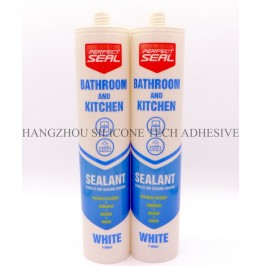
Understanding Sealant Behavior Before Pressing
The success of finger pressing hinges on the sealant’s consistency and curing stage. Most silicone-based sealants transition from a semi-fluid state to a tacky phase within 10–30 minutes of application, depending on ambient temperature and humidity. During this window, the material is malleable enough to reshape without compromising adhesion.
To test readiness for pressing:
-
Lightly touch the sealant surface with a gloved finger. If it leaves a slight indentation without sticking, it’s ideal for shaping.
-
Avoid pressing when the sealant is too wet (risk of uneven distribution) or too dry (risk of cracking).
For optimal results, prioritize sealants with a 20–40% elongation capacity, as they accommodate structural movements without tearing. This is critical in bathrooms, where temperature fluctuations and vibrations from water flow are common.
Step-by-Step Finger Pressing Process
1. Preparing the Work Area
-
Clean the substrate: Remove dust, soap scum, or old sealant residues using a non-abrasive cloth dampened with isopropyl alcohol. For stubborn grime, apply a silicone remover and scrape gently with a plastic spatula.
-
Dry the surface: Use a hairdryer on a low setting or leave the area to air-dry for at least 2 hours. Moisture trapped beneath the sealant can lead to bubbling or mold growth.
-
Mask adjacent surfaces: Apply painter’s tape along the edges of tiles or fixtures to create clean lines. Remove the tape immediately after pressing to avoid pulling up the sealant.
2. Applying the Sealant
-
Load the caulking gun: Cut the nozzle at a 45-degree angle, matching the bead size to the gap width (typically 3–5mm for bathrooms).
-
Dispense evenly: Hold the gun at a 45-degree angle to the joint and apply steady pressure. Move in a continuous motion to prevent gaps or air pockets.
-
Fill deep gaps in layers: For gaps exceeding 10mm, apply two thin layers instead of one thick one. This reduces shrinkage and ensures full coverage.
3. Finger Pressing Techniques
-
Wet your finger: Dip a gloved finger in a mixture of water and a few drops of dish soap. This reduces friction and prevents the sealant from sticking to your skin.
-
Press with consistent pressure: Start at one end of the joint and glide your finger along the bead, applying moderate downward force. The goal is to create a concave profile, which directs water away from the joint.
-
Address corners carefully: For inside corners, use the tip of your finger to press the sealant into the angle, then smooth outward. For outside corners, press firmly to create a rounded edge that resists chipping.
-
Check for uniformity: Run a plastic spoon or a dedicated sealing tool along the joint after pressing to eliminate minor imperfections.
Post-Pressing Care and Curing
-
Remove masking tape promptly: Peel it away at a 45-degree angle while the sealant is still slightly tacky to avoid tearing.
-
Avoid disturbing the sealant: Keep the area dry and free from foot traffic for at least 24 hours. Curing times vary by product, but most sealants reach full strength within 7 days.
-
Inspect for defects: After curing, check for shrinkage cracks or uneven sections. Reapply sealant to any compromised areas and press again following the same steps.
Common Mistakes to Avoid
-
Pressing too early or too late: Working with sealant that’s too wet or dry leads to poor adhesion or a rough finish.
-
Neglecting environmental factors: High humidity or cold temperatures can slow curing, while direct sunlight may cause the sealant to cure too quickly, making it brittle.
-
Overlooking substrate compatibility: Some sealants don’t bond well to certain materials like PVC or acrylic. Test a small area first or consult the manufacturer’s guidelines.
By mastering finger pressing techniques, you can achieve professional-grade bathroom sealant finishes that resist water ingress, mold, and wear. Consistency, patience, and attention to detail are key to transforming this simple task into a durable solution for your bathroom.
Prev: Application of plastic components and tile sealant
Next: Construction treatment for the connection between new and old sealants


