E-mail:
sales@silicone-sealant-china.com

The honest answer is: metal yes, wood mostly yes, plastic depends entirely on which plastic. Silicone bonds well to steel, aluminium, and most timber, but PVC pipe and ABS fittings behave very differently from a polyethylene bucket or a PTFE-lined tray. Get the substrate wrong and the bead will peel; get it right and the joint outlasts the building. Here is how each material performs and what to do about the difficult ones.
Silicone grips by wetting out a surface and forming chemical links with it. That only works when the material has enough surface energy and some reactive chemistry to bond with. Hard, polar surfaces such as glass, ceramic, and clean metal rank high. Softer, chemically inert plastics rank so low that the wet sealant beads up instead of spreading.
Aluminium, stainless steel, mild steel, and galvanised sheet all bond firmly to silicone once they are clean and dry. Machined parts and new extrusions usually carry a film of cutting oil or protective grease that must be removed with isopropyl alcohol first.
The caveat concerns cure chemistry. Acetoxy sealants release acetic acid as they cure, which can corrode copper, brass, and some galvanised coatings. For those metals, specify a neutral cure silicone sealant instead — it cures without acid and will not stain or pit the surface.
Bare timber, plywood, MDF, and treated framing all accept silicone well. Two factors cause most failures on wood:
Sealing end grain is also worth attention — it soaks up sealant, so apply a thin priming coat first.
This is where most confusion arises. Plastics split into two groups:
That distinction explains why sealing a PVC waste pipe works perfectly while the same sealant slides straight off a plastic water tank. If the plastic is unmarked, test a small bead in a hidden area and try to peel it after 48 hours.
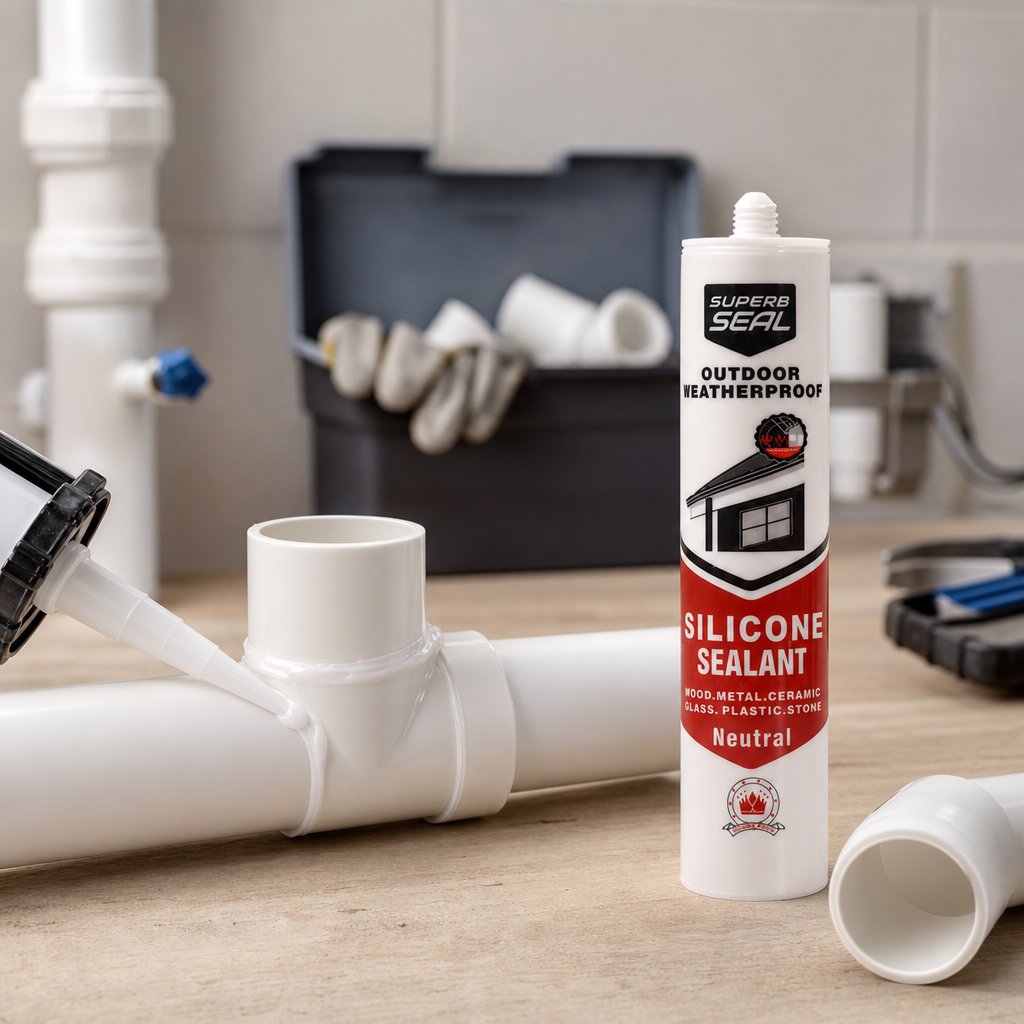
Silicone will stick to metal and wood with few problems, provided the surface is clean and the chemistry suits the metal. With plastic, the answer depends on which plastic you are holding. PVC, ABS, and acrylic bond well; polyethylene, polypropylene, and PTFE will not. Identify the substrate first, prepare it properly, and choose between acetoxy, neutral cure, or a hybrid product accordingly — that decision, made at the start, determines whether the joint lasts five weeks or fifteen years.
Copyright 2019 by Hangzhou Silicone Tech Adhesive Co., Ltd. All rights reserved.
Bathroom Sealant | Acrylic Sealant | Dow Corning 795 | Aquarium Sealant | Dow Corning 732 | Clear Silicone Sealant | Polysulfide Sealant | Glazing Sealant | Mirror Sealant | IG Sealant
Powered by Onepound


