E-mail:
sales@silicone-sealant-china.com

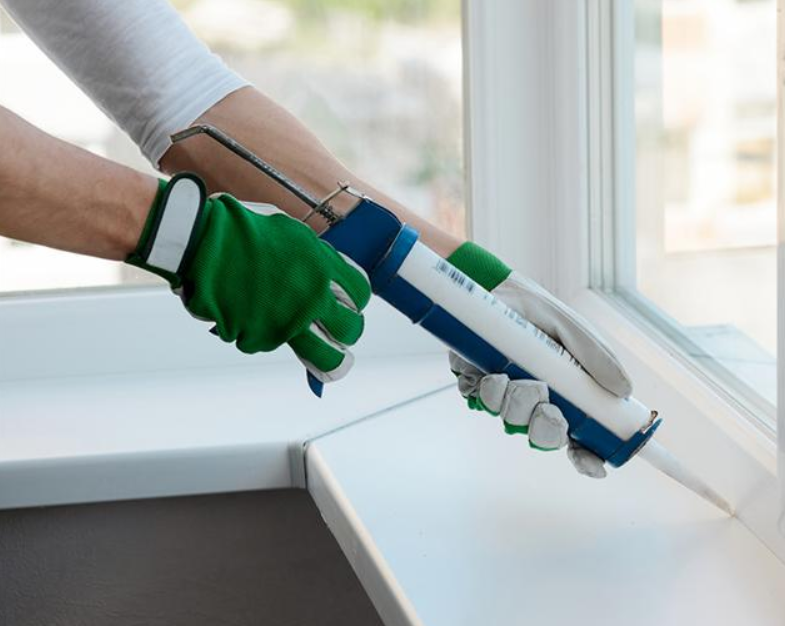
A silicone bead that stays tacky for days is a jobsite problem nobody wants. The joint stays weak, collects dust, and will fail under movement. The causes are predictable, and so are the fixes.
All-purpose silicone does not dry like paint. It cures by reacting with moisture in the air, starting at the surface and working inward at roughly 2 to 3 mm per day. Anything that blocks moisture or slows the reaction delays the cure.
Below about 5 °C the chemical reaction slows to a crawl. Winter sites, unheated basements, and metal frames chilled overnight all cure far slower than the label suggests. Warm the room and the substrate before you gun the bead.
Deserts, heated winter interiors, and dehumidifiers running flat out strip the moisture silicone needs. In very dry air a bead may skin in hours and stay soft underneath for a week. Moderate humidity around 50% cures fastest.
Cure travels from the outside in. A deep joint filled solid with silicone skins on top while the center stays paste-like for weeks. Fill deep gaps with a backer rod first and keep the sealant depth to about half the joint width.
An opened cartridge absorbs moisture in storage and partially cures inside the tube. Sealed cartridges also age. Check the date code, and never use a cartridge that was open for weeks, because it will cure in streaks or not at all.
Raise the room temperature into the 15 to 25 °C range and keep gentle ventilation running. Remove standing water from the joint. Give a thick bead extra days before judging it failed, because depth alone can explain a slow cure.
If the bead stays gummy after a week in reasonable conditions, cut it out completely and start again. Tool a smaller bead, use backer rod in deep joints, and use a fresh cartridge. Do not seal over the soft bead, because fresh silicone will not bond to uncured material.
Buy the right product for the conditions and store it correctly. A quality all-purpose silicone sealant cures reliably when applied within its temperature range. For paintable interior seams where cure speed matters, an acrylic mastic sealant dries faster and tools easily. For heavy glass assemblies that demand guaranteed full cure, engineers specify a two-component structural silicone sealant, which mixes its own curing agent instead of waiting on air moisture.
Keep cartridges capped, rotate stock, and plan around the weather. Cure problems are almost always prevented before the trigger is ever pulled.
Copyright 2019 by Hangzhou Silicone Tech Adhesive Co., Ltd. All rights reserved.
Bathroom Sealant | Acrylic Sealant | Dow Corning 795 | Aquarium Sealant | Dow Corning 732 | Clear Silicone Sealant | Polysulfide Sealant | Glazing Sealant | Mirror Sealant | IG Sealant
Powered by Onepound


