E-mail:
sales@silicone-sealant-china.com

If you have ever stood in the sealant aisle wondering why some tubes say "acetoxy cure" and others say "neutral cure," you are not alone. These two terms describe the two most common curing systems in silicone sealants, and the difference between them matters more than most people realise. Pick the wrong type for your project, and you can end up with stained marble, corroded metal, or a lingering vinegar smell that takes days to fade.
The good news is that once you understand the basics, choosing becomes straightforward. Let us walk through what each type does, how they differ, and where each one shines.
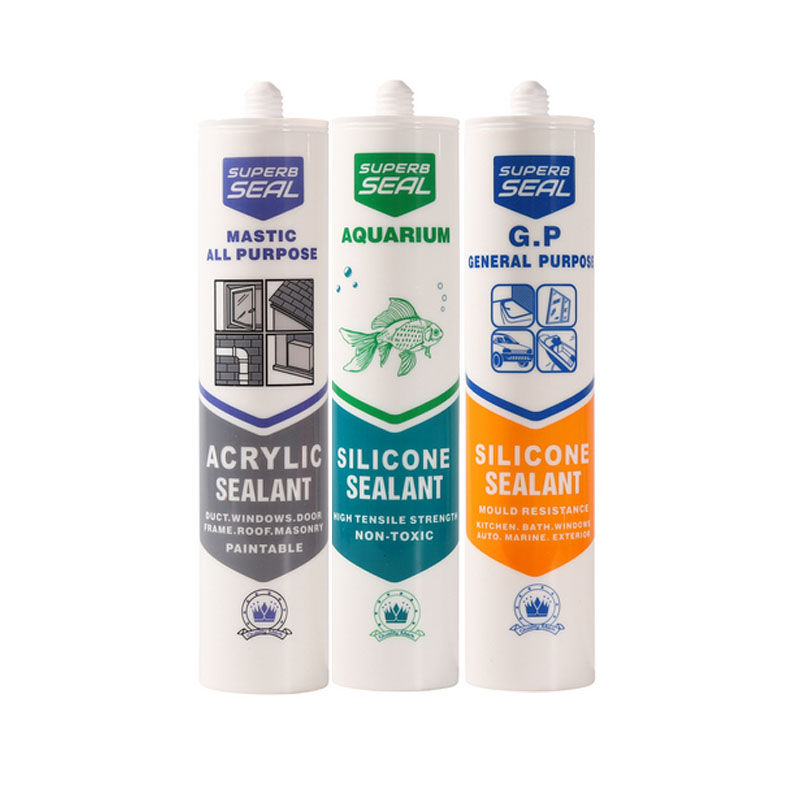
Acetoxy cure silicone — often called "acetic cure" or simply "acetic silicone" — is the traditional workhorse of the sealant world. It has been around the longest, and chances are the first tube of silicone you ever bought was an acetoxy type.
During curing, acetoxy silicone releases acetic acid — the same acid found in vinegar. That is why you get that sharp, unmistakable vinegar smell when you apply it. The smell is harmless and dissipates over a few days, but it is a telltale sign of the chemistry at work.
Acetoxy silicones cure by reacting with moisture in the air. The acetic acid by-product accelerates this reaction, which is why acetoxy types typically skin over and fully cure faster than neutral alternatives. They are also generally more forgiving of temperature and humidity variations, making them a reliable choice for outdoor work and general construction.
Where acetoxy excels:
Where it falls short:
Neutral cure silicone represents a newer generation of sealant chemistry. Instead of releasing acetic acid, it releases alcohol (usually methanol or ethanol) as a by-product. This means no vinegar smell, no acidic residue, and crucially — no corrosive interaction with sensitive materials.
Neutral cure silicones also rely on atmospheric moisture to cure, but the reaction proceeds more gently. Because there is no acid to drive the process, cure times are generally a bit longer than acetoxy equivalents. A bead that might skin in 20 minutes with acetoxy could take 30–40 minutes with neutral cure. Full through-cure can also take slightly longer, especially in thick sections.
The trade-off is material compatibility. Neutral cure silicones are the go-to choice when you are working with metals, plastics, stone, or any substrate where corrosion or staining is a concern.
Where neutral cure excels:
Where it falls short:
Here is a side-by-side comparison that covers the factors most people care about:
| Feature | Acetoxy Cure | Neutral Cure |
|---|---|---|
| Curing by-product | Acetic acid (vinegar smell) | Alcohol (minimal odour) |
| Skinning time | 15–30 minutes | 30–60 minutes |
| Full cure time | 24 hours (typical) | 24–48 hours (typical) |
| Metal compatibility | Risk of corrosion on copper, brass, zinc | Fully compatible with all metals |
| Plastic compatibility | Can stress-crack polycarbonate, some ABS | Safe for most plastics |
| Stone compatibility | Risk of acid staining on marble/limestone | Safe for natural and engineered stone |
| Mirror use | Can attack mirror backing | Mirror-safe |
| Odour | Strong vinegar smell during cure | Low odour or odourless |
| Price | Generally lower cost | Generally higher cost |
| Weather resistance | Excellent UV and weather resistance | Excellent UV and weather resistance |
| Adhesion to glass | Excellent | Good to excellent |
The decision tree is simpler than it looks. Start with one question: what are you sealing?
Choose acetoxy cure if:
Choose neutral cure if:
When in doubt, reach for neutral cure. The slightly longer cure time and higher cost are small prices to pay for the peace of mind that you will not accidentally corrode, stain, or damage your substrate. Many professional installers keep both types on their van and grab the acetoxy when speed and cost are the priority, and the neutral when compatibility is the priority.
Yes — and it is worth knowing when to look beyond standard silicone altogether. For example, if you need to seal a joint that will be painted over, standard silicone (acetoxy or neutral) is a poor choice because paint will not adhere to cured silicone. In that case, acrylic sealant is the better option, as it is paintable and designed for that exact purpose.
Similarly, if you need a structural bond rather than just a seal, specialised structural silicone adhesives exist in both acetoxy and neutral formulations. These are rated for load-bearing applications like curtain wall glazing and should be specified by an engineer rather than chosen off the shelf.
For underwater or permanently submerged applications, neither standard type will reliably cure. You need specialised marine-grade sealants formulated for that environment.
Myth #1: "Neutral cure is always better because it does not smell." Not necessarily. The smell is harmless, and acetoxy silicones often cure faster and adhere better to certain substrates. Neutral cure is "safer" for sensitive materials, but not universally superior.
Myth #2: "Acetoxy silicone will destroy any metal it touches." Exaggerated. The risk is real for reactive metals like copper and zinc, but aluminium and stainless steel are generally fine with short-term contact. If you are unsure, test a small area first or default to neutral cure.
Myth #3: "Neutral cure is just a marketing term for the same product." False. The chemistry is fundamentally different. The curing reaction, by-products, and material compatibility all change. They are genuinely different products for different jobs.
Myth #4: "You can speed up neutral cure by adding water." Partially true but misleading. Both types need atmospheric moisture to cure, and high humidity helps both. But you cannot force a neutral cure to match acetoxy speed by misting it. The chemistry simply proceeds at a different rate.
Acetoxy and neutral cure silicone sealants are both excellent products, but they serve different masters. Acetoxy cure wins on speed, cost, and general construction reliability. Neutral cure wins on material safety, low odour, and versatility across sensitive substrates.
The practical rule is simple: if you are sealing glass, ceramics, or general building materials and want the fastest, most economical solution, acetoxy is your friend. If you are working with metals, plastics, stone, mirrors, or simply want the safest all-rounder, neutral cure is the smarter choice. Both will give you a durable, weather-resistant seal that lasts for years — as long as you match the chemistry to the job.
Copyright 2019 by Hangzhou Silicone Tech Adhesive Co., Ltd. All rights reserved.
Bathroom Sealant | Acrylic Sealant | Dow Corning 795 | Aquarium Sealant | Dow Corning 732 | Clear Silicone Sealant | Polysulfide Sealant | Glazing Sealant | Mirror Sealant | IG Sealant
Powered by Onepound


