Pet contact protection after sealant application
Jan 11,2026 | Views: 355
Protecting Pets After Sealant Application: Essential Safety Measures for Homes with Animals
Sealants used in homes, particularly in areas like kitchens, bathrooms, or windows, often contain chemicals that can harm pets if ingested or inhaled. After application, pets may lick, chew, or walk on fresh sealant, risking exposure to toxic substances or physical injuries. Below, we explore practical steps to safeguard pets during and after sealant projects.
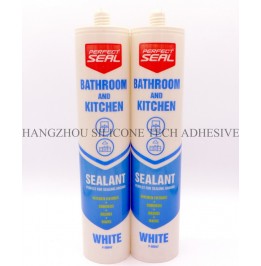
Understanding the Risks of Pet Exposure to Fresh Sealant
Pets are naturally curious and may investigate new surfaces or smells, leading to accidental contact with uncured sealant. The dangers vary based on the sealant type and the pet’s behavior.
-
Chemical toxicity: Many sealants contain solvents, fungicides, or other additives that can irritate a pet’s mouth, skin, or digestive system. Ingesting even small amounts may cause vomiting, lethargy, or more severe health issues.
-
Physical hazards: Wet sealant can stick to paws, fur, or tongues, creating discomfort or panic. Pets might try to remove it by licking, which worsens exposure. Some sealants also emit strong odors that irritate respiratory systems, especially in birds or small animals.
-
Curing time sensitivity: Sealant takes hours to days to fully harden, depending on temperature and humidity. Until cured, it remains vulnerable to disruption and poses a continuous risk to pets.
Creating a Pet-Safe Zone During Sealant Application
Before starting work, designate an area where pets can stay away from the sealant. This prevents accidental contact and reduces stress for both animals and workers.
-
Confine pets to a separate room: Use baby gates, closed doors, or playpens to block access to areas being sealed. Choose a room with minimal furniture to avoid pets knocking over items or hiding in tight spaces. Provide toys, water, and a comfortable bed to keep them occupied.
-
Schedule breaks for supervision: If confining pets isn’t possible, arrange for a friend or family member to take them for a walk or play session during application. This ensures they’re out of the house entirely, eliminating any risk of exposure.
-
Remove food and water bowls temporarily: Place bowls in a sealed cabinet or another room to prevent pets from returning to the workspace after breaks. This also avoids contamination if sealant particles accidentally fall into their food or water.
Post-Application Precautions to Minimize Pet Contact
After applying sealant, take proactive steps to keep pets away until the material is fully cured. Even minor interactions can lead to health risks or damaged sealant.
-
Block access to sealed areas: Use physical barriers like cardboard, plastic sheeting, or furniture to prevent pets from approaching fresh sealant. For example, cover newly sealed countertops with a clean cloth or place chairs around bathtub edges to block entry.
-
Monitor curing progress closely: Check the sealant manufacturer’s guidelines for drying times, as these vary based on temperature and humidity. In general, avoid letting pets near sealed surfaces for at least 24–48 hours, or longer if the area is damp or cold.
-
Clean up tools and spills immediately: Dispose of used caulking tubes, rags, or gloves in a sealed trash bin to prevent pets from chewing on them. Wipe down surfaces near the workspace to remove any stray sealant drops that might attract curious animals.
Handling Accidental Pet Exposure to Sealant
If a pet comes into contact with wet sealant, act quickly to reduce harm. Symptoms may include drooling, paw licking, coughing, or lethargy, depending on the exposure level.
-
Assess the situation calmly: If the pet has sealant on their paws or fur, avoid panicking. Gently restrain them to prevent further spreading of the material. For ingestion, note the amount and type of sealant (if known) to share with a veterinarian.
-
Remove visible sealant carefully: For paws or fur, use a damp cloth to wipe away as much sealant as possible without rubbing it deeper into the skin or fur. Avoid using solvents or harsh chemicals, as these can worsen irritation.
-
Contact a veterinarian immediately: Even if the pet seems fine, seek professional advice. Some symptoms may take hours to appear, and early intervention can prevent complications. Bring the sealant packaging (if available) to help the vet identify harmful ingredients.
Long-Term Strategies for Pet-Friendly Sealing Projects
To reduce risks in future projects, adopt habits that prioritize pet safety without compromising work quality.
-
Choose low-odor, pet-safe sealants: Opt for formulations labeled “low-VOC” or “pet-friendly,” which emit fewer fumes and contain fewer toxic chemicals. While avoiding brand names, prioritize products designed for households with animals.
-
Train pets to avoid work areas: Use positive reinforcement to teach pets to stay away from sealed zones. For example, reward them with treats when they remain in their designated space during application. Consistency helps them understand boundaries over time.
-
Maintain a routine after projects: After sealing, stick to your pet’s regular feeding, walking, and play schedule to reduce stress. A calm environment minimizes the likelihood of pets exploring newly sealed areas out of curiosity or anxiety.
By taking these precautions, homeowners and contractors can ensure sealant projects proceed smoothly without endangering pets. Always prioritize ventilation during application to disperse fumes and keep pets in a comfortable, separate area until the sealant is fully cured.
Prev: Safety measures for the application of sealants in children's rooms and bathrooms
Next: Disinfection treatment of bathroom sealant application tools


